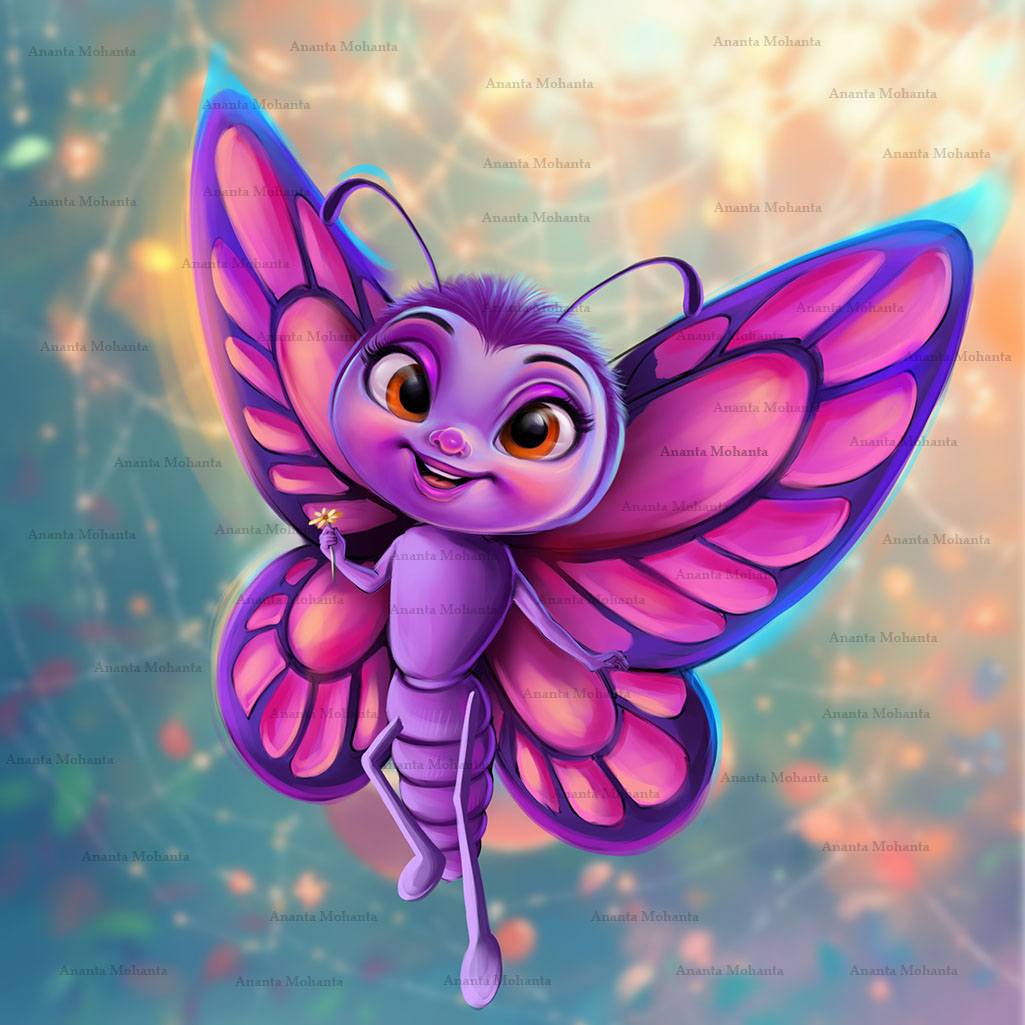
Children’s Book Illustrators for Hire: The Step-by-Step Illustration

Choosing the right children’s book illustrator for hire is arguably the biggest decision you’ll make as an author. It is the moment when your words stop being just a file on your computer and become a visual world that kids will actually want to get lost in. But if you are new to the self-publishing game, the “how-to” of the artwork phase can feel like a total mystery.
As a professional children’s book illustrator with over 15 years of experience, I’ve seen it all. I know that a successful book isn’t just about having pretty pictures—it’s about following a rock-solid, predictable workflow. When you hire children’s book illustrators, you aren’t just buying talent; you are hiring a guide to help you navigate story pacing, character soul-searching, and the technical hurdles of printing.
Here is exactly how I turn a raw manuscript into a shelf-ready masterpiece.
1. The Discovery Phase: Vision and Technical Specs
Before I ever pick up a stylus, we have to get on the same page. Every children’s book illustrator for hire has their own artistic vibe, but the best ones start by listening to your goals.
We’ll talk about the “heart” of your story. Is it a soft, emotional bedtime tale? Or a high-energy, wacky adventure? We also knock out the “must-have” technical details:
Trim Size: Is this a square 8.5 x 8.5 book or a portrait 8 x 10?
The Platform: Are you planning to use Amazon KDP, IngramSpark, or a local offset printer?
The Audience: The level of detail in the art changes drastically if your reader is a toddler versus a ten-year-old.
2. Character Design: Giving the Story a Pulse
You can’t build a house without a foundation, and you can’t build a book without a character people actually care about. This is the most exciting part. I create a “character sheet” showing your protagonist from various angles and with different facial expressions.
Consistency is everything. As a freelance children’s book illustrator, my job is to make sure your character looks like the same person on page 2 as they do on page 32. This builds that vital, subconscious trust with the young reader.
3. Storyboarding: The Visual Blueprint
A storyboard is essentially a series of rough, “thumbnail” sketches of every single page. It’s not about the fine details yet—it’s about the flow and the logic.
Space for Text: We make sure there is enough “quiet” space so your words don’t cover up the main action.
The Pacing: We check if the story moves naturally. Are the page-turns exciting? Does the climax feel “big” enough?
Composition: We decide where the viewer is standing. Are we looking down at the character, or are we right there in the grass with them?
4. The Sketch Phase: Locking in the Details
Once the storyboard gets the green light, I move into detailed sketches. These aren’t just scribbles; they are the full layouts of every scene. You’ll see the background elements, the extra characters, and the specific lighting ideas.
This is the “no-turning-back” point for big structural changes. It is much easier to move a tree or change a character’s pose in a pencil sketch than it is once the “paint” is dry!
5. The Magic: Color and Texture
This is where the book truly wakes up. Using professional digital tools like Adobe Photoshop, I layer in the colors, shadows, and textures.
Color is an emotional language. We might use bright, sunny yellows for a happy park scene, or deep, moody purples for a mysterious forest. For any illustrator for hire, this stage is the most labor-intensive because it requires that final “shelf-ready” polish that makes a book look professional.
6. Pre-Press and Final Hand-off
The last step is 100% technical. I prep the files so the printer doesn’t reject them. This includes:
Bleed and Margins: Making sure the art goes past the “cut line” so you don’t get ugly white slivers on the edges of your pages.
CMYK Formatting: Ensuring the colors you see on your screen actually look right when they hit the paper.
High-Res Files: Providing 300 DPI files that are crisp, clear, and professional.
Why Professionalism is Non-Negotiable
The self-publishing world is crowded. To actually get noticed on a site like Amazon, your book needs to look like it came from a major publishing house. When you go out to hire children’s book illustrators, you need someone who understands these industry standards inside and out.
I’ve spent 15+ years perfecting this exact workflow. My approach is “work-first”—I offer free demos and consultations because I want you to be 100% sure before we even start. Plus, my milestone-based system means you only pay for work you have seen and approved.
About Ananta Mohanta
Ananta Mohanta is a professional children’s book illustrator known for mixing high-end visuals with extreme punctuality. He has worked with authors all over the globe to turn manuscripts into high-quality books for Amazon KDP and beyond.
Ready to see your characters come to life? I’d love to hear about your project. Let’s chat about your vision and see how we can make your story a visual hit.
To know more: www.anantaart.com
Pinterest: https://in.pinterest.com/illustratorananta/
Behance: https://www.behance.net/ananta-mohanta
Follow me on Instagram: www.instagram.com/ananta_mohanta_
Leave a Reply