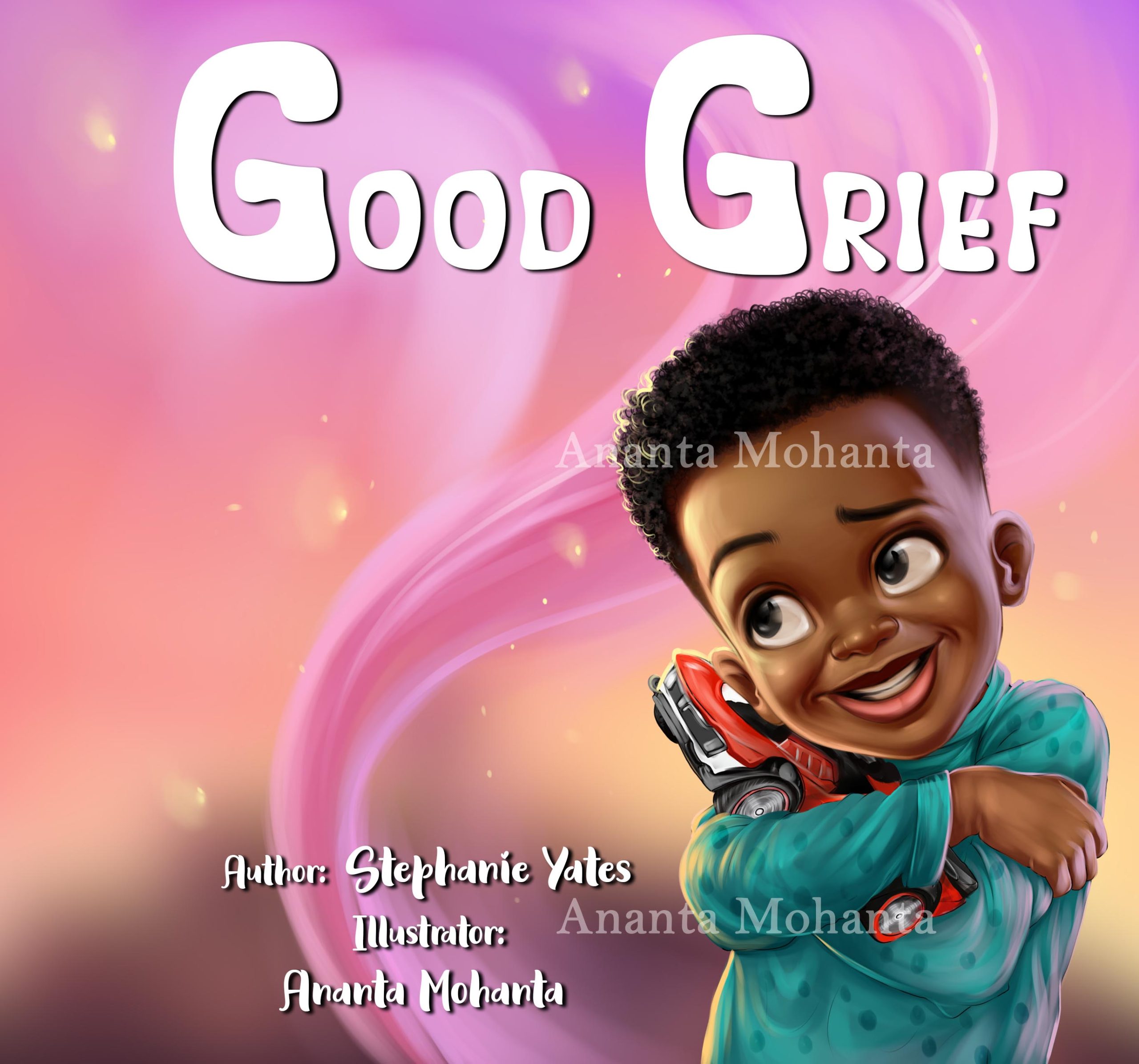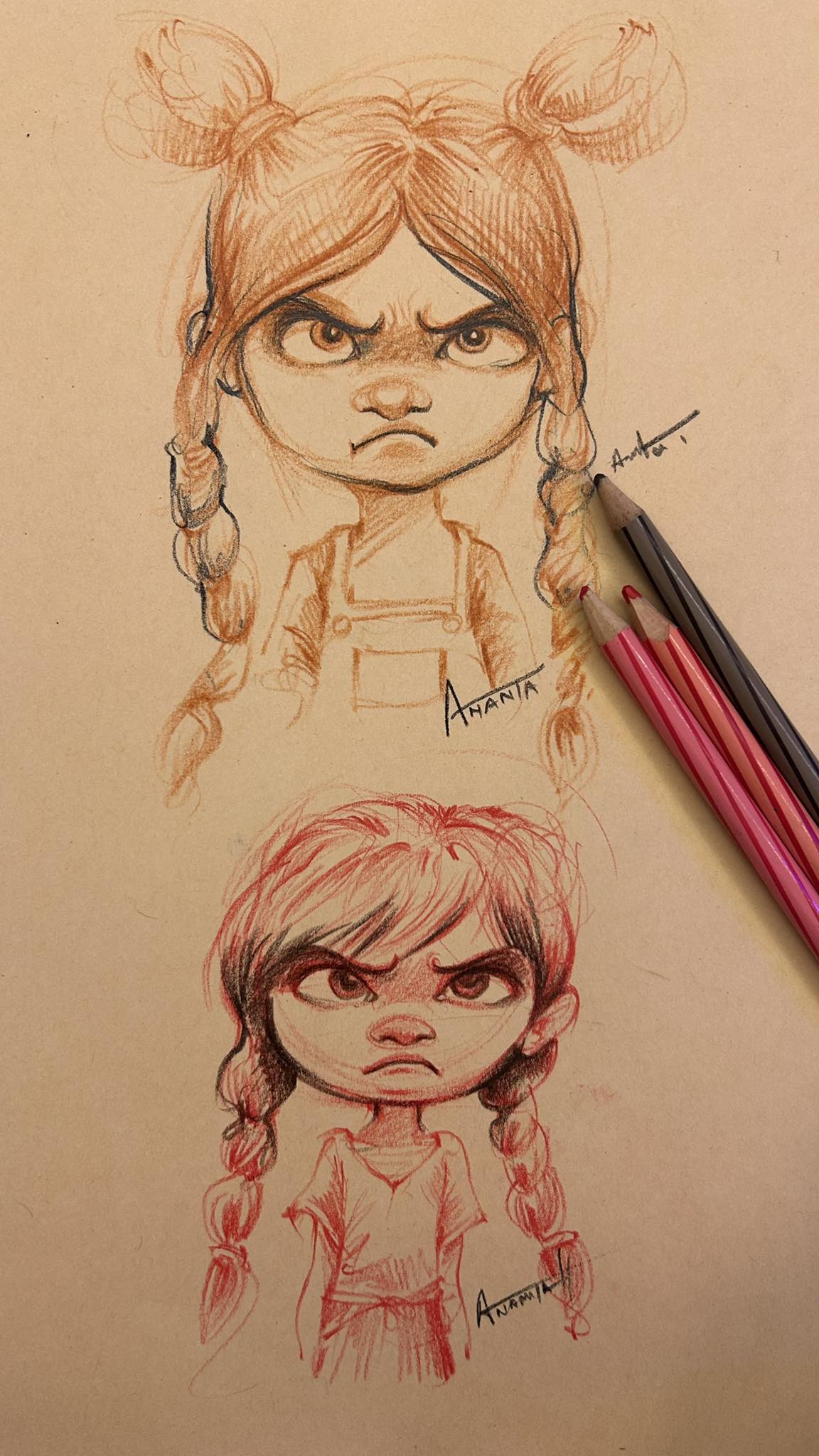
Beautiful Children’s Book Illustrations That Inspire Young Minds
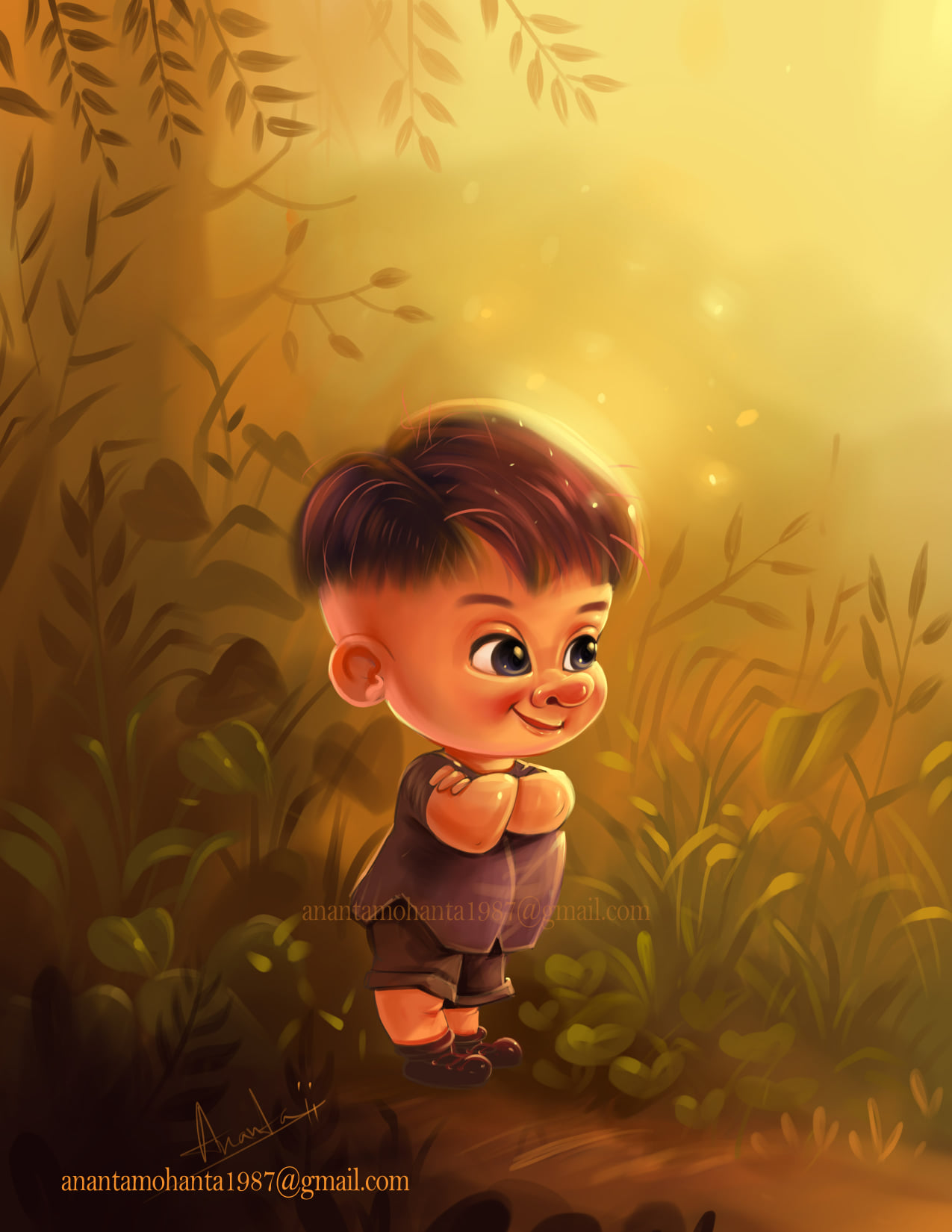
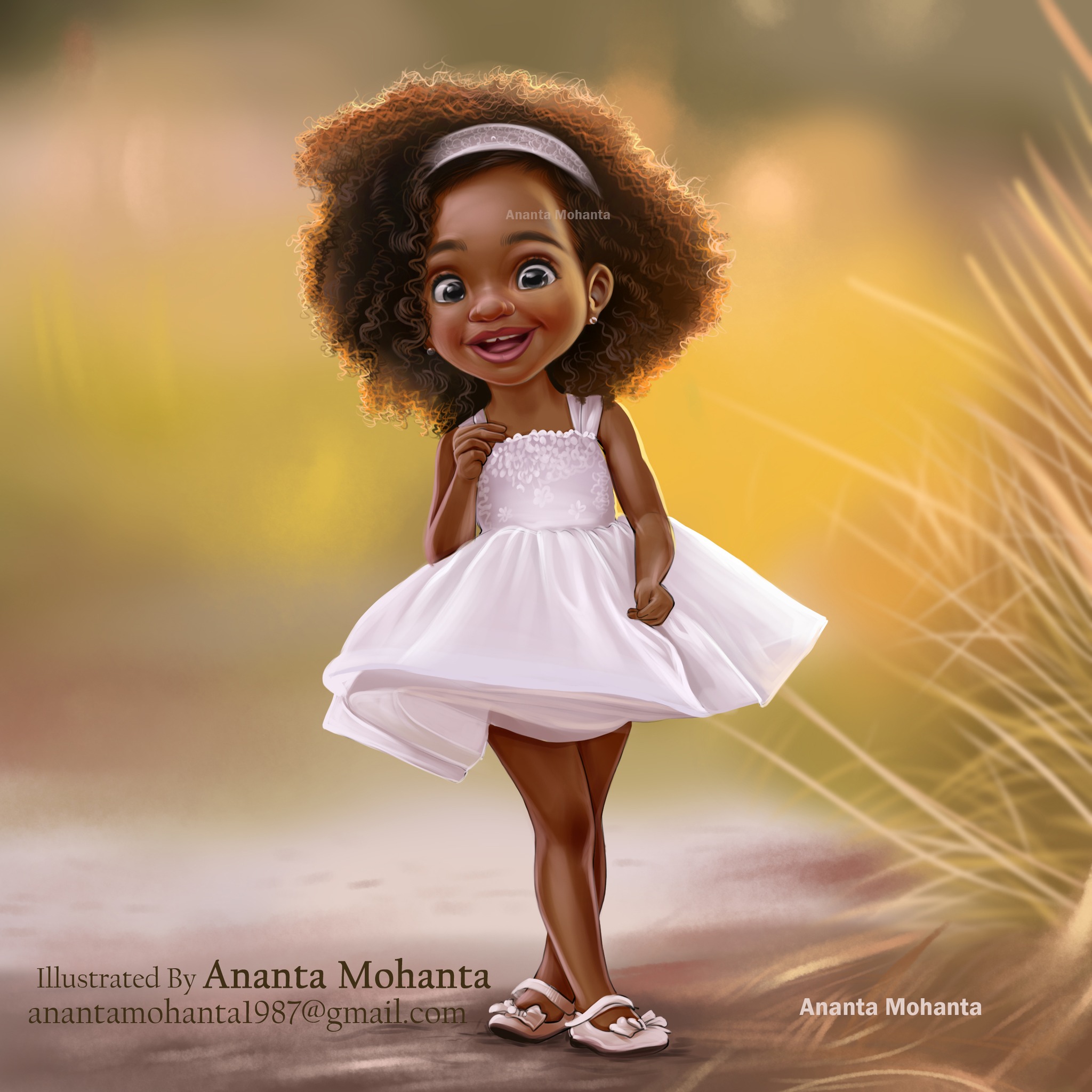
beautiful children’s book illustrations by Ananta Mohanta
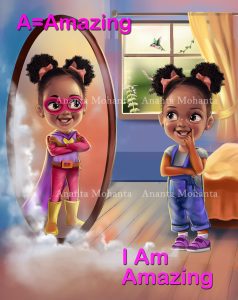
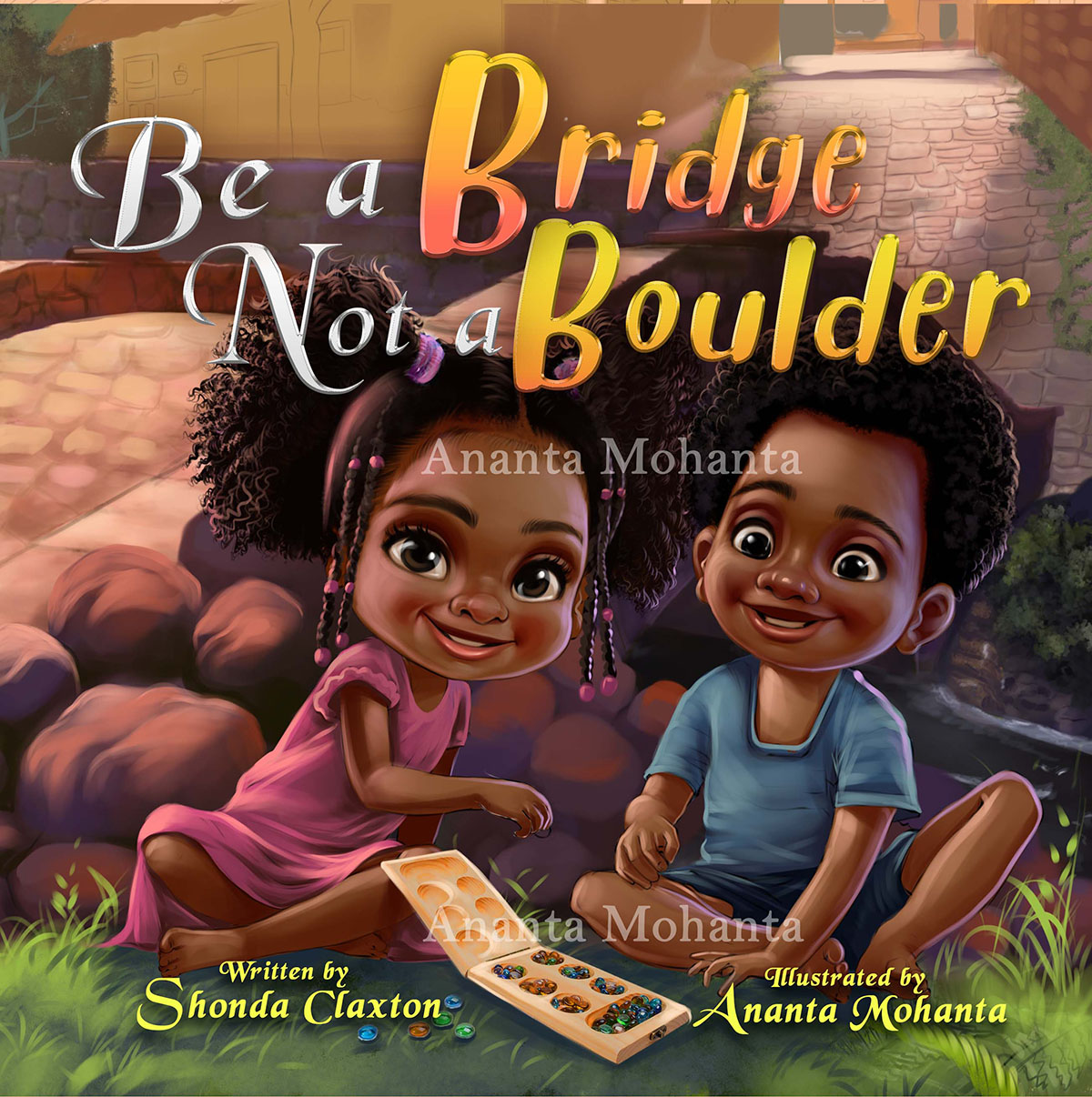
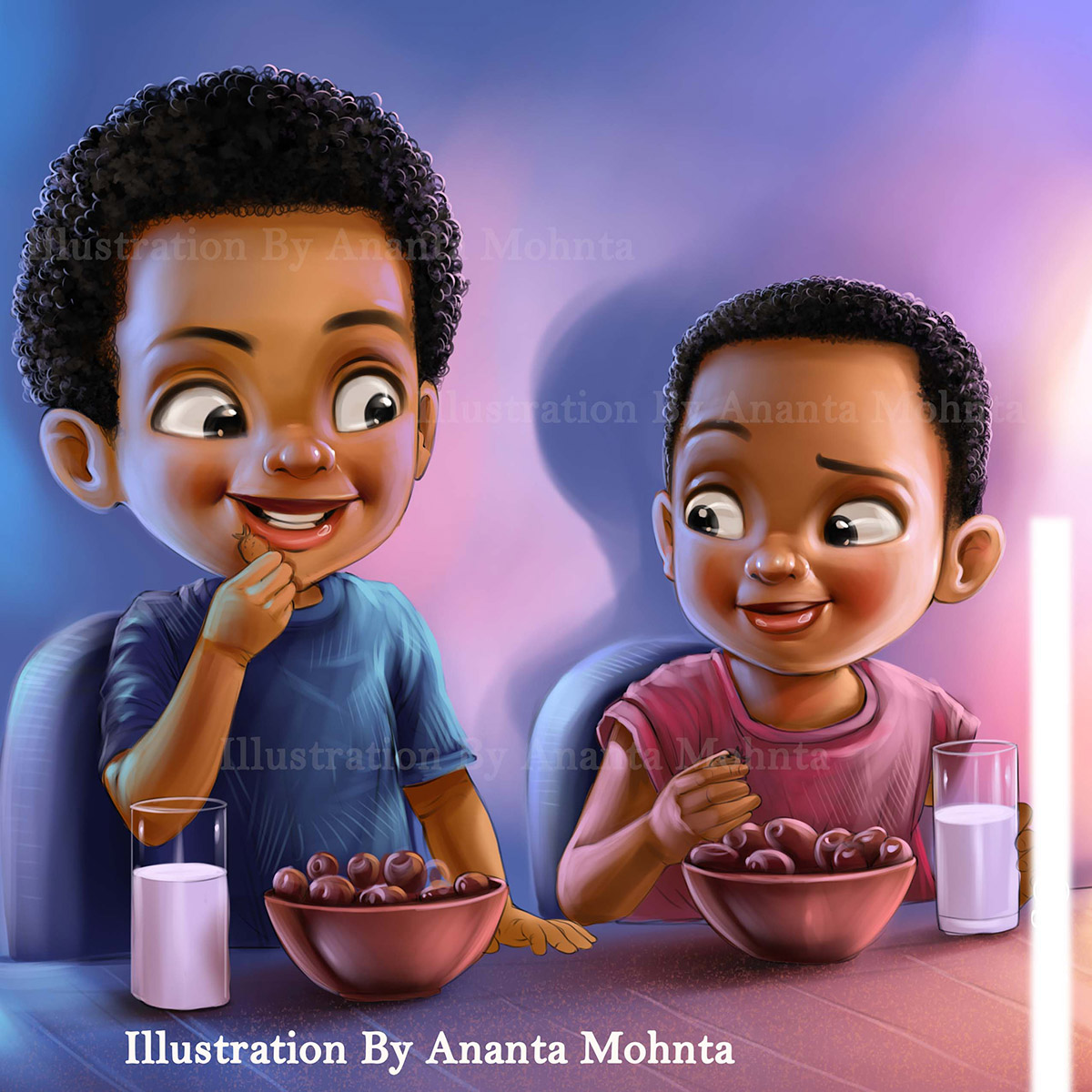
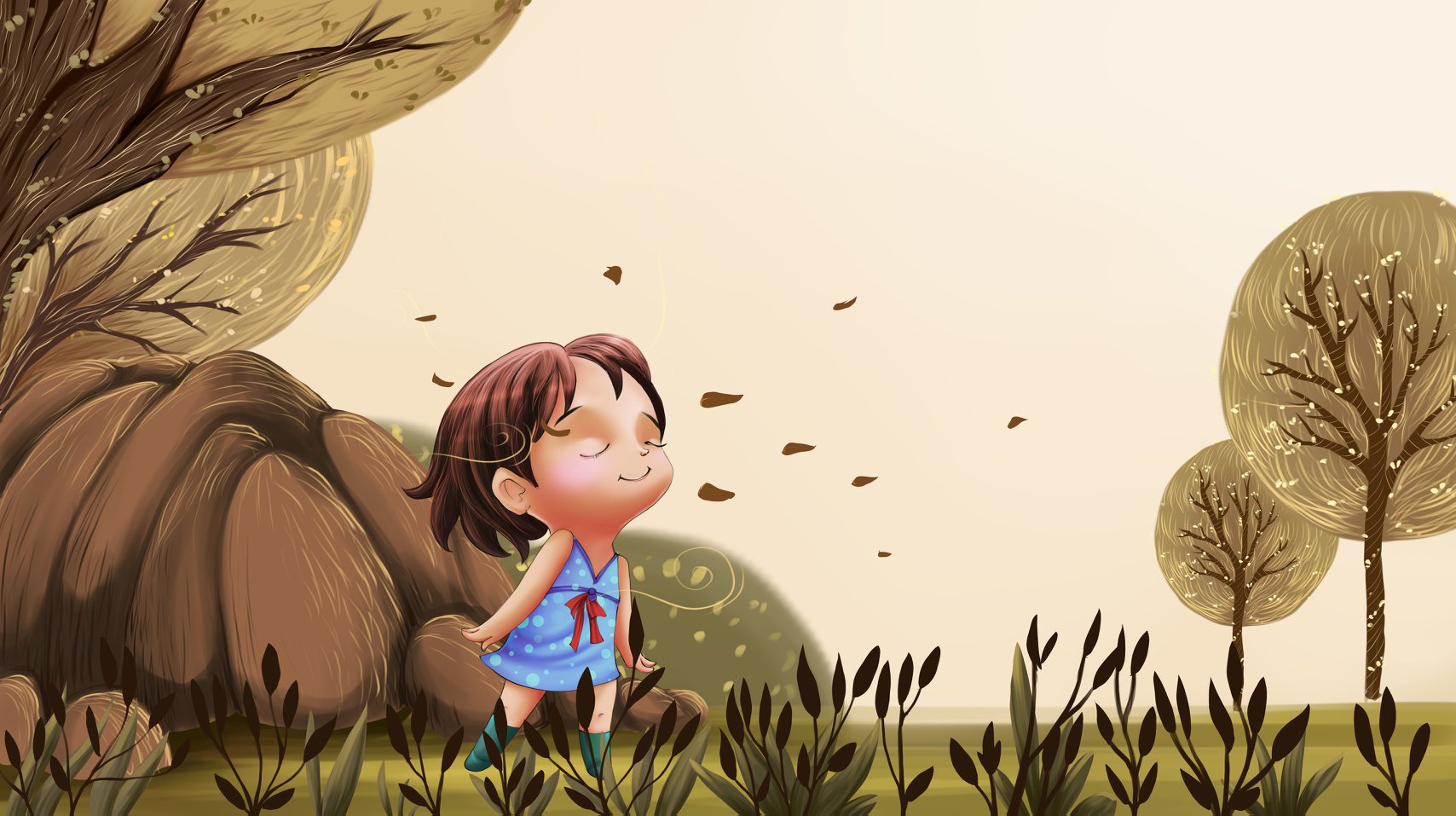
When I think about my own childhood, I don’t always remember the words from the books I read.What I do remember are the pictures.I can still see a little red bird from one story, or the way a forest looked in another.That’s the truth: children often hold on to the art more than the text.That’s why beautiful children’s book illustrations matter so much.They don’t just decorate a story—they carry it.
I’ve been illustrating children’s books for over 15 years now.Still, every time I start a new project, I remind myself: this isn’t just for the author, and not just for me.It’s for the child holding the book, wide-eyed, running their finger over the page.That’s who I draw for.
What makes illustrations beautiful?
You know, people ask me this a lot.“What makes beautiful children’s book illustrations?” And honestly, I don’t think beauty means perfect lines or fancy techniques.Sometimes it’s in a crooked smile, or the way a character’s messy hair makes them look real.Sometimes it’s in colors that don’t follow rules too bright, too bold, but exactly what a child loves.
To me, beauty means connection.If a picture makes a child laugh, pause, or feel comforted that’s beauty.
Why authors need the right illustrator
If you’re an author, you already know that finding illustrators for a children’s book can feel overwhelming. There are so many options.Different styles, different prices.Some work digitally, some with watercolor, some with pencil.So how do you choose?
Here’s my advice: don’t just look at a portfolio and tick boxes.Talk to the illustrator.Ask them how they see your story.A good illustrator will imagine your characters before the first sketch.And the best ones?They’ll give you beautiful children’s book illustrations that feel like they’ve always belonged to your story.
Over the years, I’ve developed a simple way to keep things stress-free for authors:
I provide free demo illustrations first. No guessing you see how your character looks before committing.
I don’t take advance fees.You pay only when you’re happy.
And even after the final payment, I offer unlimited edits for free.Why?Because I believe stories for children should feel perfect to you, not just good enough.
Here’s something I’ve noticed again and again: children remember pictures in a very emotional way. A child might not recall a story word-for-word, but years later they’ll say, “Oh, I loved that bear with the big scarf,” or “I remember the rainbow in that book.”
That’s the gift of illustrators for a children’s book—we create those lasting details. As adults, we sometimes underestimate how deeply pictures affect a child’s world.But children are visual learners first.They read emotions in faces.They read colors.They read gestures.
That’s why I always say: a book with beautiful children’s book illustrations doesn’t just tell a story it builds a memory.
Final thoughts
If you’re an author searching for the right illustrator, take your time. Don’t settle.Don’t rush.Because when words and art come together the right way, the result is magic.The result is a story that a child doesn’t just read, but one they feel.
And that’s why I still love my work, even after 15 years.Every new book is a chance to create beautiful children’s book illustrations that will inspire young minds, comfort them, make them laugh, or even give them dreams they’ll carry into the future.
Why Unique Characters Make All the Difference in Children’s Book Illustrations
illustrated by Ananta Mohanta
Hello everyone! I am Ananta Mohanta, a children’s book illustrator, now the question is why unique character make differences? Especially for children, it’s those faces, those little eyes full of emotion, the quirky hats, the bent ears, the missing front tooth—those are what stick with them. That’s why creating unique characters isn’t just something nice to have in children’s book illustrations—it’s absolutely essential.
The First Connection Is Always Visual
When a child picks up a book, the cover usually gives them their first impression. The title helps, yes—but what really pulls them in is the face of the character looking back at them.
It might be a brave little bunny, a shy robot, or a wild-haired explorer, but that first spark happens through the artwork. I’ve seen it in children’s reactions again and again. They don’t just look—they bond.
As one of many working children’s book illustrators, I’ve learned that illustrations aren’t just decorative. They do a lot of heavy lifting. If the characters aren’t thoughtfully designed, it can flatten even a beautifully written story.
Real Personalities, Not Just Pretty Pictures
Some people think “beautiful children’s book illustrations” just mean bright colors or cute drawings. But beauty in children’s illustration is more than surface deep. For me, a high quality children’s book artist knows how to pull out a character’s personality and make it visible on the page.
Is the character shy? Bold? Silly? Serious? Do they slouch when they’re nervous?Sometimes it’s just a tiny thing—the way their eyes light up when something grabs their attention. That one look can say more than a whole paragraph.
Kids pick up on that stuff. Way more than adults think. They might not say it out loud, but they feel it. And when a character feels off or stiff, they’ll just move on without blinking. But if something clicks—if the character feels honest, like someone they know or could know—they’ll stick with the story. They might even read it over and over, just because it feels like home.
Making Characters That Stick
I usually just start with messy lines. Nothing proper. Just shapes, bits and pieces. But while I’m scribbling, I’m thinking — who is this little one? Not just how they look, but… I don’t know, the feel of them. Like, where would they sleep? What kind of mess would they make if you left them alone for five minutes? I even think about what snacks they’d stash in their bag. That stuff never really ends up in the final picture, but it helps. It kind of shapes how they stand, or how they’d look if they were nervous or proud or scared. Hard to explain, but it matters. These aren’t things that always show up in the final art, but they help me get into their head a bit. It changes how they move, how their eyes react, even the tilt of their head in a quiet moment. The way the character stands, how they smile, how they respond in a scene—it all starts from getting to know them beneath the surface.
This is what separates high quality children’s book artists from those who just “draw something cute.” The goal isn’t to impress. The goal is to connect.
Different Is Good. In Fact, It’s Perfect.
No two children are alike. So why should our characters all look the same?
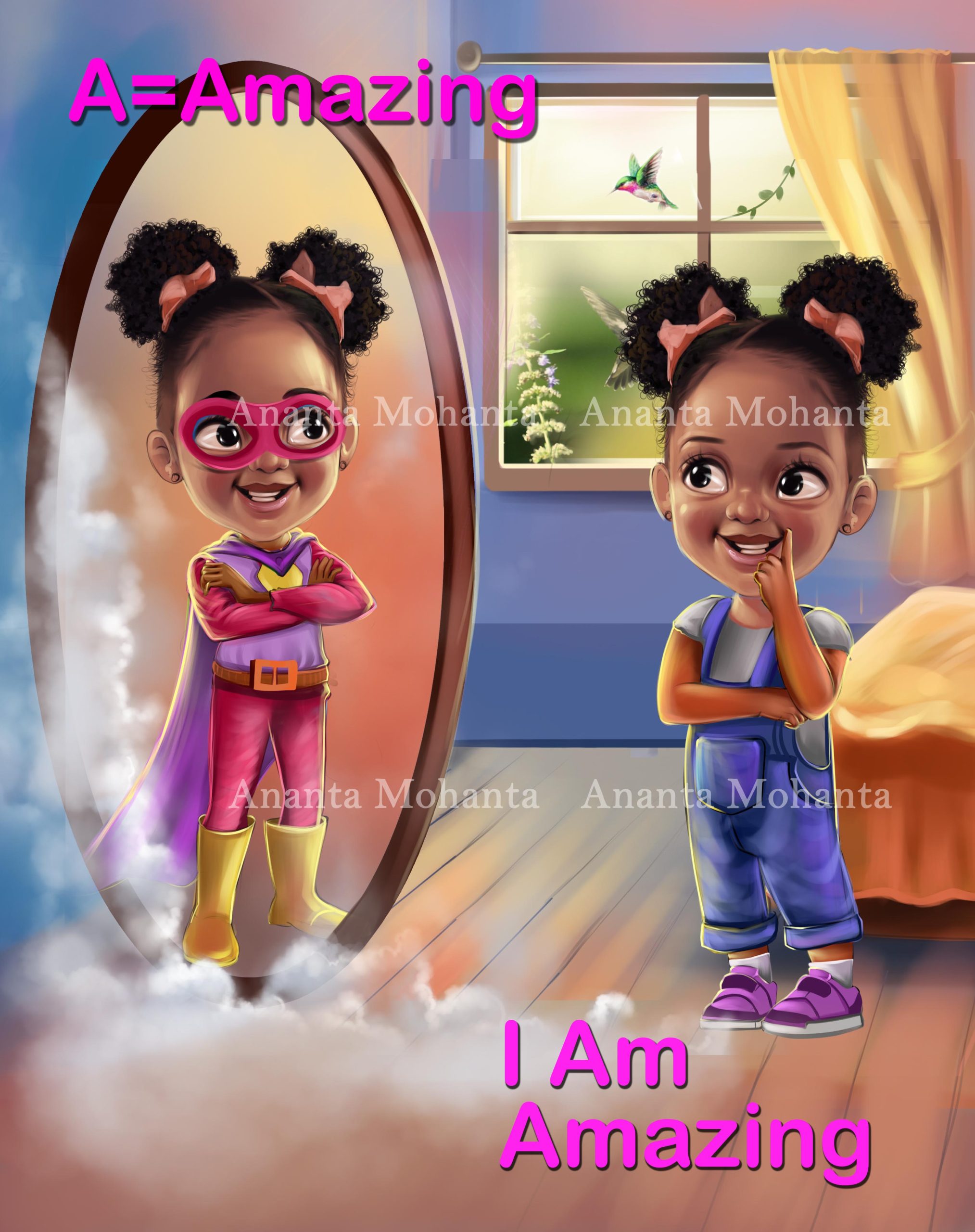
I believe children’s book illustrations should reflect the real world—diverse, colorful, full of surprises. Big eyes, small eyes, wheelchairs, glasses, freckles, different skin tones, different emotions. Every child deserves to see someone like themselves in a story.
I always try to add little touches—something that gives the character their thing. It could be a band-aid always on the same knee, or a lopsided backpack, or the way their pet frog peeks from their pocket.
These small details say to the reader: This character is one of a kind—just like you.
Characters Are the Author’s Voice Made Visual
Authors often come to me with a vision. They’ve written the story, but now they need someone to see it—to give it shape and life.
That’s my job.
As one of the many children’s book illustrators for hire, I don’t just draw what’s written. I try to feel what’s underneath the words. What’s the mood? What’s the heartbeat of the story? The characters become the voice of that heartbeat.
A good character doesn’t just match the text—they amplify it. They help young readers understand what’s going on, even before they can read every word.
If You’re an Author—Here’s My Advice
If you’re writing a children’s book and you’re looking for an illustrator, don’t just look at style. Look at soul.
Can this artist bring your characters to life? Can they make your readers care about them from the first glance?
You’ll find many children’s book illustrators out there, but the right one will help you create something that lasts—a story with characters children will remember long after the last page.
Beautiful children’s book illustrations begin with characters that are honest, bold, and totally themselves. Don’t settle for generic. Let your characters shine in all their weird, wild, funny, sad, joyful glory.
Final Thoughts
Sometimes, when I finish illustrating a story, I sit back and look at the characters as if I’m meeting them for the first time. And I imagine a child doing the same—flipping through the pages, quietly getting to know them.
For me, these characters aren’t just drawings. They’re little companions waiting to be discovered. They might make a child laugh, feel brave, or simply feel seen. That’s what I love most about children’s book illustration. It’s not just about filling a page—it’s about giving a child someone to hold onto in their own way.
And if you ever need someone to bring that heartbeat to life through art—I’d be honored to help.
Matching Art Style to Story: Children’s Book Illustration
illustrated by Ananta Mohanta
That’s the magic of children’s book illustration — when the visuals blend so perfectly with the narrative that young readers are pulled right into the world you’ve created.
Whether you’re an author looking for children’s book illustrators for hireor, understanding how to match the illustration style to the story is essential. Let’s dive into how this process works and why it matters so much.
When it comes to children’s book illustration, the style needs to fit the story. Not the other way around. I’ve illustrated all kinds of stories — warm, funny, weird, sad, wild — and each one called for something different.
Sometimes, the story whispers. Sometimes, it shouts. You’ve got to let the art speak the same language.
Every Story Feels Different
When I get a new manuscript, I don’t think about colors or characters right away. I just sit with the story for a while. Read it a few times. Try to get a feel for what it’s trying to say.
Is it calm and emotional?
Is it silly and loud?
Is it magical and dreamy?
Or is it grounded and real?
Because that mood tells me what the children’s book illustration style should be. That’s the magic of children’s book illustration — when the visuals blend so perfectly with the narrative that young readers are pulled right into the world you’ve created.
Whether you’re an author looking for children’s book illustrators for hire or an illustrator figuring out what direction to take, understanding how to match the illustration style to the story is essential.
What Styles Work Best Where?
Let me give you a rough idea, based on what I’ve seen and done:
Soft watercolor or pencil textures – These work great for quiet, sweet stories. Anything emotional, slow, or meant for bedtime feels right with this style.
Bold, bright, cartoon-style – If the story is full of action, humor, or a silly character, I usually go big and loud with the visuals. Kids love that energy.
Sketchy, hand-drawn lines – Some stories feel personal or raw, and that rough style adds honesty. I use it for more down-to-earth stories.
Detailed, realistic art – These are perfect for non-fiction or stories based on history, where accuracy matters. It takes longer, but it’s worth it.
Whimsical and fantastical – If the story is pure imagination — flying animals, magical worlds, dream scenes — then the art can go completely wild.
No style is better than another. It’s just about the right match.
What I Ask Authors Before Starting
A lot of authors I work with aren’t sure what kind of illustration they want — and that’s okay. That’s where I help. I usually ask:
Who are you writing for? Toddlers? 6-year-olds? Older kids?
What feeling do you want to leave the reader with?
Do you have any books or images you already love?
We might look at a few samples together orI’ll sketch something rough and free to get the direction right. I’ve been doing this a long time, and honestly, once we start talking, it becomes clear pretty fast what the book needs.
Some authors want help building the whole visual world — character outfits, setting styles, page flow. Others already have something in mind and need me to bring it to life.
Either way, it’s teamwork.
Why the Right Match Matters
Kids are sharp. They won’t always say, “this illustrationdoesn’t match the story,” but they’llfeel it.
If a story is soft and loving but the illustrations are loud and messy, the whole thing feels off. If it’s a fast-paced story and the art is flat or too subtle, it slows everything down.
There are tons of children’s book illustrators for hire out there. Some amazing. Some just okay. I always say: don’t just look at pretty pictures — ask yourself if they understand storytelling.
A good illustrator for a children’s bookdoesn’t just draw — they read, feel, and listen to your story. They care about how it all comes together.
When authors come to me, I always offer a free demo sketch based on a page or character. No pressure. No payment. Just to see if it clicks.
A Real-Life Example
Not long ago, I worked on a book about a quiet little turtle who finds courage. The author originally wanted bold, comic-style drawings. But once I read the manuscript, I suggested a softer look — gentle greens, light shading, slower pacing in the art.
She agreed to try it. And once she saw the first spread, she said it was exactly what the story needed — even though she hadn’t thought of it that way before.
That’s what a high qualitychildren’s book artist does — not just draw, but help shape the book visually.
Final Thoughts
If you’re writing a children’s book, take a little time to think about how it feels — not just what happens. That’s your biggest clue to what the illustrations should look like.
And if you’re unsure, talk to illustrators. Look through portfolios. Ask for a demo. Most of us are happy to help you figure it out.
I love what I do because every story is different. No two projects feel the same. And that’s what keeps it exciting, even after so many years.
If you’re on the lookout for children’s book illustrators, I’d be happy to chat. No rush, no contracts — just a conversation. And if we’re a good fit, we’ll build something beautiful together.
About Me
I’m Ananta Mohanta. I’ve been working as a children’s book illustrator for more than 15 years. I work with authors all over the world, and I specialize in matching illustration styles to the heart of a story. I offer free demo sketches, don’t take advance payment, and always give unlimited edits after final delivery. My goal is simple — help your book look and feel the way it should.
Brushed by Tradition: How Culture Influences Children’s Book Illustrators Everywhere
illustrated by Ananta Mohanta
Sometimes, when I begin working on a new children’s book, I pause and think—where is this story really from? Not just the location written in the manuscript, but the feeling of the place. The soul of it. That’s where culture comes in.
As children’s book illustrators, our job goes beyond drawing. We’re visual storytellers. We help children see what the story wants them to feel. And culture plays a big role in that.
Culture Is in the Small Things
You can tell a lot about a place from how people dress, what their homes look like, how they celebrate, even how they smile.
If I’m working on a book about a child from Peru, the colors I use will be different than if the story is set in Japan. Not because one is better than the other—but because the rhythm is different. The warmth, the textures, the clothing, even the way people stand or move—everything changes.
That’s why, for children’s book illustrators for hire, it’s not just about drawing. It’s about observing. Listening. Understanding.
Let’s say your story is based in the Middle East. The architecture, the clothing, the gesture of pouring tea—all of it matters. Or maybe your characters are Native American. That calls for specific knowledge, deep respect, and attention to traditions.
This is where many authors struggle. They find children’s book illustrators for hire with beautiful portfolios, but the cultural depth is missing. The result? The book feels generic.
Why It Matters to Children
Children notice everything. They may not say it, but they feel it. When they see a character who looks like them—or lives like them—it creates a connection.
That’s the power of beautiful children’s book illustrations. They don’t just show what’s in the story—they reflect the reader’s world.
So when you’re finding illustrators for a children’s book, think about more than the art style. Ask yourself—does this illustrator understand the culture behind the story?
No Two Cultures Look the Same
Here’s something I’ve learned after illustrating books from different parts of the world:
Stories from Africa often have bold patterns, warm tones, and a strong sense of movement.
Japanese books are usually soft, quiet, balanced. Sometimes you’ll see big skies, soft lines.
In Indian stories, color is everywhere—red, yellow, blue, sometimes all on one page.
Books from the Middle East often use beautiful details—tiles, arches, fabrics.
Scandinavian books feel calm. Cool colors, space to breathe, clean illustrations.
Latin American books have energy. There’s emotion in the eyes, rhythm in the streets.
Each place has its own heartbeat. As illustrators for a children’s book, it’s our job to listen.
Don’t Just Pick Any Illustrator—Pick the Right One
These days, there are lots of children’s book illustrators for hire. You’ll see polished websites, neat portfolios, and smiling profile pictures. But don’t rush.
Look for someone who takes time to understand your story. Someone who asks about the setting, the characters, the traditions. Not just someone who sends you a pretty picture in a week.
Ask to see past work. Talk about the culture in your story. Ask them how they’d approach it.
If they’re curious and respectful, that’s a good sign.
What to Look for in a Culturally-Sensitive Illustrator
Here’s some real talk from an illustrator’s point of view.
When you’re reviewing illustrators for a children’s book, check how they’ve handled diversity. Ask if they’ve worked on culturally rich stories before. Don’t shy away from discussing your book’s background—whether it’s set in rural Mexico, urban South Korea, or the forests of Finland.
You want someone who listens, who asks questions, who says, “Tell me more about this character’s roots.” That’s when you know you’ve found someone who cares.
How I Work With Authors
When I get a new project, I never jump in right away. First, I try to understand what the story needs. I ask the author about the setting. I look up local clothing, houses, food, even the way people sit or walk.
It’s not about getting everything perfect. It’s about showing respect.
As a children book illustrator, I believe we owe it to both the author and the reader to get it right.
One Final Thought
Culture isn’t something you “add in” at the end. It’s part of the story from the first line to the last illustration. And when it’s done right, it makes the book more than just a story—it becomes a memory.
If you’re looking to bring your story to life with art that respects the culture it’s based on, feel free to reach out. I offer a free demo sketch, no upfront cost, and as many edits as you need once the book is done.
I don’t just want your book to look good. I want it to feel true.
Children’s Book Illustrator for hire- Ananta Mohanta, Who Brings Your Story to Life
high quality children’s book artist
Hi, I’m Ananta.
Looking for a Children’s Book Illustrator for Hire?
If you’re searching for a children’s book illustrator for hire, I know it can feel overwhelming—so many styles, so many options. But at the end of the day, you need someone who understands your story and treats it with the same care you do. I don’t just create illustrations—I help build the world your characters live in. If that sounds like what you’re looking for, I’d be happy to chat.
I’m a children’s book illustrator, and I’ve been working with authors around the world for the past 15+ years. I don’t have any fancy words or marketing tricks here—just sharing how I work, and maybe it helps if you’re finding illustrators for a children’s book.
Some writers come to me with full manuscripts, others just have an idea in their head. Either way, I love helping bring their stories to life through children’s book illustrations. That’s what I do every day, and I truly enjoy it.
“Hi Ananta, I wrote a children’s book. I need an illustrator. Can you help?”
I always say: “Of course, let’s talk!”
And from there, we just figure it out together. You send me your story or the character idea. I make a quick demo illustration for free—so you can see how it might look. If you like it, we move forward. If not, no problem.
I Don’t Take Advance Payment
This surprises a lot of people. But yes—it’s true.
I never ask for advance. You see the work first. You approve it. Only then, I take payment.
Also, even after full payment, I give free unlimited changes. Why? Because your book should feel right to you. It’s your dream. I respect that.
Every Book is Different
Some stories are funny. Some are emotional. Some are quiet bedtime tales. I never use the same style for all books. Each one needs its own mood, its own colors, its own characters.
As a freelance children’s book illustrator, I’ve worked on all kinds of styles—digital, hand-drawn look, soft watercolor vibe, bright cartoon feel… it depends on your story.
If you’ve looked at many illustrators for children’s books, you probably know—style matters. But heart matters more.
What I Promise
If you choose to work with me, I’ll give:
Free demo
No advance charges
Unlimited changes after payment
Original character designs (I never reuse art)
One-on-one communication always
And I listen. That’s a big one.
I believe working with an illustrator should be easy and fun—not stressful. Especially for the new authors who are just starting and don’t know how it all works.
I’m Not Famous, But I Care
There are many famous children’s book illustrators out there, and their work is amazing. I admire many of them. But I’ve built my career slowly, with honest work and happy clients.
Most of my projects come through referrals—authors telling their friends about me. That feels better than any fame.
If you’re scrolling through options, looking for illustratorschildren’s book or searching for a children book illustrator, and you feel a bit lost—it’s okay.
You can message me evenjust to ask questions. I’ll reply honestly, even if you don’t hire me.
Let’s Create Something Special
If you’re writing a children’s book and need someone to bring it to life visually—someone who will care about your story as much as you do let’s talk.
No pressure. No obligation. Just honest collaboration.
Thanks for reading.
– Ananta Mohanta
Children’s Book Illustrator
If you are finding illustrators for a children’s book, in a world full of children’s book illustrator for hire, choosing the right person matters. Ananta Mohanta stands out among all children’s book illustrators with passion, punctuality, and professionalism. With a strong portfolio of children’s book illustrations, he brings characters to life through his art. For those searching for illustrators for children’s books, his styles offer charm. As a dedicated children’s book illustrator, he understands the magic that each story deserves. Whether you are seeking famous children’s book illustrators or rising talent, or comparing an illustrator’s children’s books, Ananta makes storytelling visually unforgettable.
How Children’s Book Illustrators Are Bringing Diverse Stories to Life
illustrated by Ananta Mohanta
When I started illustrating children’s books, most projects followed a familiar formula similar-looking characters, the same everyday settings, and a predictable approach to style. But in the last few years, that’s been changing. And honestly, it’s been refreshing to see.
More authors and publishers are now asking for stories that reflect real life, different cultures, languages, skin tones, and unique family setups. And as illustrators, it’s our job to meet that shift with open eyes and open minds.
Every Child Deserves to Be Seen in a Book
When children see characters in a book who look like them or share parts of their everyday life, it creates a quiet but strong sense of belonging. It tells them, “This story is yours too.”
It’s about showing different ways of living, whether that means a child with a disability, a family that speaks another language at home, or traditions tied to culture or religion.
As children’s book illustrators, we’re not just adding images to a story. We’re helping young readers understand the world around them, and sometimes, helping them understand themselves too. It’s about showing different ways of living, whether that means a child with a disability, a family that speaks another language at home, or traditions tied to culture or religion.
As illustrators, we’re not just adding images to a story. We’re helping young readers understand the world around them, and sometimes, helping them understand themselves too.
It Goes Beyond Color
I’ve worked on stories with characters from across the world, India, the US, Africa, the Middle East and one thing I’ve learned: don’t guess. Every culture has its own visual identity. Details like clothing, hair, skin tone, family customs, even background elements like homes and holidays these things matter deeply to the reader.
As a children’s book illustrator, I often ask authors to send reference images or personal touches they’d like to include. It helps me make the children’s book illustrations not just visually appealing, but also sincere.
New Stories Are Calling for New Styles
There’s a real shift happening in the types of stories being told. I’ve recently worked on books about Diwali, Eid, Lunar New Year, African folktales, and more. More children are being shown with wheelchairs, hearing aids, or different kinds of family dynamics, and that’s exactly how it should be.
To support this, many of us are exploring more varied children’s book illustration styles. I enjoy blending traditional patterns with digital tools, adding folk art textures, regional dress styles, and vibrant cultural elements that feel real, not generic.
If you’re searching for illustrators for children’s books with cultural experience, look for someone open to feedback and research. The right illustrator will treat the story’s culture as essential, not decorative.
What to Look For in an Inclusive Illustrator
Not every illustrator has worked on multicultural projects and that’s fine. But if your story is rooted in culture, tradition, or lived experience, the children’s book illustrators should be ready to approach it with care.
When someone approaches me looking for a children book illustrator in US or from another part of the world, I always offer a free sample sketch first. It helps both of us know if we’re a good fit.
Once the final payment is made, I don’t limit changes. I keep refining the artwork until it matches the author’s vision completely. It’s not about getting it done fast, it’s about doing it right.
If you’re on the lookout for a children’s book illustrator for hire, especially for a story with cultural depth, choose someone who’s curious, respectful, and adaptable. They should ask questions about your characters and setting. They should want to learn more about the world you’re writing about. And their style should bend with the heart of the story, not the other way around.
Style Matters Just as Much
Even when working on inclusive books, the art still needs to be fun, bright, and full of life. Kids don’t fall in love with a book just because it checks the right boxes, they fall in love because it feels magical.
Whether it’s soft watercolor or bold digital work, the key is to match the visual tone with the story itself. As a high quality children’s book artist, I try to stay flexible with style but always focus on emotion and storytelling.
Every book has its own rhythm. The art should follow that beat.
One Last Thought
What I love about this moment in children’s publishing is that there’s space for more voices and more stories. And that means more opportunities for children’s book illustrators to create meaningful, memorable art that reflects the real world.
If you’re working on a story that celebrates culture, identity, or diversity, I’d love to hear about it. I’ve collaborated with authors from many places, and I know how much it means to find someone who gets what your story is really about.
Wherever you’re based, choosing the right children’s book illustrator makes a big difference. I’m always open to new projects and excited to help stories come alive honestly, respectfully, and beautifully.
The New Wave of Children’s Book Illustration: How Technology is Shaping Art in 2025
illustrated by Ananta Mohanta
If you’ve looked at children’s books lately, you may have seen that the illustrations feel a bit different than before. These days, many artists are using new digital tools, and that’s changing how they bring stories to life on the page.
As someone who’s been involved with children’s book illustration for a long time, I can say this shift is exciting. Whether you’re looking for children’s book illustrators for hire or just curious about the art, here’s what you need to know about how technology is influencing children’s book illustration styles in 2025.
Digital Tools Are Changing the Artist’s Toolkit
While traditional methods like painting with watercolors or drawing with pencils are still loved and used, many artists are now mixing those with digital tools. Tablets and software like Procreate or Photoshop have become part of the daily workflow for many children’s book illustrators.
These tools give illustrators freedom to try new things—layers, textures, colors—without worrying about making permanent mistakes. It means faster work and easier changes, which is great news for authors and publishers.
Mixing Traditional and Digital Styles
One trend I see all the time is the blending of old and new techniques. Some illustrators begin with hand-drawn sketches, then scan them and add color or effects digitally. Others create everything on a tablet but use brushes and textures that imitate traditional media.
This mix gives birth to new children’s book illustration styles that feel warm and organic, yet crisp and modern. It lets illustrators be creative while keeping the charm that kids and parents love.
Easier Collaboration, No Matter Where You Are
Working with an illustrator used to mean sending sketches back and forth by mail or email. Now, digital tools let authors and artists communicate instantly. Video calls, cloud drives, and shared workspaces mean feedback can happen in real-time.
If you’re searching forillustrators for children’s books, this is a big plus. You can work with a talented children book illustrator in the US or anywhere else, without worrying about geography or time zones.
Faster Revisions and More Flexibility
Digital art makes revising artwork faster and easier. Changing a character’s outfit color or adjusting a background is no longer a huge task. This flexibility helps everyone — illustrators can meet deadlines, and authors get to be more involved in the creative process.
If you want a high quality children’s book artist who’s open to collaboration, digital tools help make that possible without the usual back-and-forth delays.
What Still Matters Most: Storytelling Through Art
Even with all this tech, the heart of children’s book illustration hasn’t changed. Beautiful pictures still need to tell the story, connect with young readers, and bring characters to life.
Great children’s book illustrators know that tools are just a means to an end. Whether digital or traditional, the goal is to create beautiful children’s book illustrations that make kids feel something real.
Trends in Children’s Book Illustration for 2025
These are a few things I’m seeing more of in children’s book art this year:
Textured Digital Art: Many illustrators are using digital brushes that look and feel like real paint or pencil strokes, giving their work more depth and a handmade touch.
Inclusive and Diverse Characters: With easier editing, artists are better able to create characters representing different cultures, abilities, and backgrounds.
Soft, Calming Colors: Gentle palettes are popular, perfect for stories meant to comfort and soothe children.
Interactive Elements: Some books include slight animations or digital previews that add a little magic to story promotion online.
What This Means for Authors and Publishers
If you’re preparing a children’s book, understanding these changes helps you find the right artist. You can:
Explore more varied illustration styles than ever before.
Work with illustrators worldwide.
Expect quicker turnarounds and easier revisions.
Choose artists who use digital tools skillfully but keep the story front and center.
When you’re hiring children’s book illustrators or browsing their portfolios, remember—it’s not about who has the fanciest gadgets. It’s about who really gets your story and can bring it to life in a way that feels right.
Final Thoughts
Technology is giving illustrators new ways to work, but what really matters is how the art helps tell the story in a way that feels real and meaningful. Digital or not, the art should invite kids into a world they want to explore again and again.
So, whether you’re working with a children’s book illustrator locally or a children book illustrator in the US, look for passion, creativity, and a true understanding of your story. That’s what will make your book truly special.
How to Choose Children’s Book Illustrators for Hire Who Offer Unique Character Design
illustrated by Ananta Mohanta
When it comes to creating a memorable children’s book, your characters are everything. They’re the heart of your story, the part that children remember, love, and talk about long after the last page. That’s why choosing the right children’s book illustrator is such a big decision. And not just any artist, you want someone who can bring your characters to life in a way that feels fresh, emotional, and true to your vision.
1. Don’t Settle for Generic – Look for Personality
One of the biggest mistakes I see authors make is choosing a children’s book illustrator for hire who draws cute characters, but they all look the same from one book to the next. While style consistency is important, great illustrators for children’s books create characters with personality, not just a polished look.
Children don’t fall in love with artwork just because it’s polished. What they remember are characters that feel alive ones that make them smile, laugh, or feel something. It could be a shy little hedgehog with wide, curious eyes or a clumsy penguin tumbling over his own feet. It’s not about perfect lines, it’s about movement, emotion, and personality.
When you’re looking through portfolios of children’s book illustrators for hire, pause and really look at the characters. Do they each have their own charm? Do their faces and body language tell a story, even without words? Can you picture them in different moments — happy, sad, thoughtful, or silly?
If the answer is yes, you’re probably looking at someone who truly understands how to bring characters to life.
2. Ask About Their Character Design Process
A professional children’s book illustrator should be able to walk you through how they build a character from scratch. As a freelance children’s book illustrator myself, I always start by learning about the character’s personality. Are they shy? Bold? Silly? Stubborn? That comes first — before I even put pencil to paper.
Next, I create rough sketches showing different poses and expressions. I might try a few outfits, test out color palettes, or play around with shapes until the character feels right.
When hiring illustrators for a children’s book, ask them questions like:
“How do you develop a new character?”
“Do you offer concept sketches?”
“Can I give feedback on early designs?”
This back-and-forth process makes a huge difference, it’s where the magic happens.
3. Look Beyond Style — Think Storytelling
Many authors get stuck choosing between illustration styles: digital vs. hand-drawn, bright vs. soft, realistic vs. cartoony. But the real question is: Does this illustrator’s style support your story?
A book with gentle, emotional moments might benefit from warm, textured tones and soft lines. A wild, silly story might need big expressions and bold colors. The best children book illustrator is the one whose visual storytelling enhances your writing.
Famous children’s book illustrators often have a very recognizable style, but even they adapt the emotion, pace, and personality of each book through color, layout, and character behavior. You don’t need someone famous — you need someone who listens, understands, and brings your characters to life.
4. Ask for a Demo or Sample Sketch
Before hiring a children’s book illustrator, see if they offer a sample. Some illustrators — like me — are happy to provide a free demo based on your character description. It’s a great way to test compatibility and see how the artist interprets your ideas.
When reviewing the sketch, look at more than just the drawing quality:
Does the character feel alive?
Does the expression match the personality?
Would a child feel drawn to this character?
5. Choose Someone Who’s Open to Working Together
The best children’s book illustrations aren’t created in isolation they’re built through teamwork. As an author, your voice shapes the story, and the illustrator adds a visual layer that brings it to life. That’s why it helps to work with someone who genuinely enjoys the back-and-forth of creating a book together. Whether they’ve been illustrating for years or are a freelance children’s book illustrator just starting out, they should be open to conversation, willing to hear your thoughts, try new ideas, and fine-tune things along the way.
Don’t be afraid to ask how they handle changes. Are they okay making adjustments if something doesn’t feel quite right? Do they welcome feedback? Their answers will tell you a lot about what it’ll be like to work with them. The right illustrator won’t just be talented — they’ll be someone who respects your story and works with you to bring it to its full potential.
That’s the kind of partnership children’s books really need.
6. Consider Cultural and Emotional Range
If your story touches on specific cultural themes, values, or emotions, it’s worth finding someone who’s sensitive to those layers. Color, expressions, clothing, settings — all of these play a role in how the character feels to your audience.
Even freelance illustrators for children’s books should be willing to do a bit of research when needed. If your character is a little girl from a rural village, or a city-dwelling raccoon with a big imagination, those details matter — and a good illustrator will want to get them right.
7. Compare More Than One Illustrator — But Trust Your Gut
There’s no shortage of children’s book illustrators for hire these days. Platforms, agencies, social media — it’s easy to find portfolios. But instead of rushing, take your time. Reach out to a few, ask questions, and notice how they respond.
Take your time when you’re looking through an illustrator’s work. Don’t just glance — really look. Do the drawings pull you in? Do the characters stay with you, even after you’ve moved on? If something about their art makes you pause, smile, or feel something, that’s worth paying attention to.
That’s usually a sign you’ve found the right person.
Go with that instinct — it’s often more honest than anything else.
Final Thoughts: The Right Character Makes the Book
At the end of the day, children remember characters more than plot. The little duck who’s scared to swim. The tiny robot who wants a friend. These characters stick because of how they were written — and how they were drawn.
If you’re finding illustrators for a children’s book, don’t just look for skill — look for soul. Look for someone who gets your characters and wants to bring them to life with the same care you wrote them with.
Whether you’re working with an agency or a freelance children’s book illustrator, take your time, ask questions, and choose someone who treats your story like it matters.
If you’re looking for an illustrator who offers unique character design, unlimited revisions, no upfront fees, and a free demo before we begin — I’d love to chat.
Let’s bring your story to life, one beautiful character at a time.
Ananta Mohanta
Children’s Book Illustrators or hire
If you are finding illustrators for a children’s book, in a world full of children’s book illustrators for hire, choosing the right person matters. Ananta Mohanta stands out among all children’s book illustrators with passion, punctuality, and professionalism. With a strong portfolio of children’s book illustrations, he brings characters to life through his art. For those searching for illustrators for children’s books, his styles offer charm. As a dedicated children’s book illustrator, he understands the magic that each story deserves. Whether you are seeking famous children’s book illustrators or rising talent, or comparing an illustrator’s children’s books, Ananta makes storytelling visually unforgettable.
7 Simple Ways to Tell If a Children’s Book Illustrator Is the Right Fit for Your Story
Illustrated by Ananta Mohanta
When you’re writing a children’s book, the words come from your heart, but the pictures? They help carry that heart to your readers. And finding the right person to create those pictures… well, it’s not always easy.
Over the years, I’ve spoken to so many authors who’ve asked me the same thing: How do I know if I’m choosing the right children’s book illustrator? Whether you’re just starting out or already have books on the shelf, working with a high quality children’s book artistcan change everything, not only how your story looks, but how it’s remembered.
Below are seven things I believe every author should look for when searching through children’s book illustrators for hire. This is based on real projects, real mistakes, and real success stories — the kind that happen when writer and artist are truly in sync.
Don’t just look at style — look at storytelling.
It’s tempting to get drawn in by a certain art style: maybe it’s cute, or bold, or colorful. That’s great — but the best children’s book illustrators know how to go beyond looks and make the story come alive.
Can the artist show emotion through a character’s face? Can they create a scene that feels full of movement and meaning? These are the things that matter most when choosing a children’s book illustrator — especially one who understands how to speak to children through images.
Make sure they’ve worked on actual children’s books.
This sounds basic, but not every artist who claims to be an illustrator for children’s book projects has actually done full picture books. That matters.
Illustrating a whole book isn’t just about drawing. It’s about knowing how to carry a narrative visually from start to finish. Where the page turns happen. Where to leave space for text. How to create a flow.
When looking through portfolios, ask to see finished children’s book illustrations, not just character samples. You want someone who’s been through the process.
Watch how they talk to you — it says a lot.
You can love someone’s art, but if it takes them days to reply, or their answers are vague, it’s going to be tough working together. Communication really matters. You want someone who’s open, clear, and honest. A good children’s book illustrator for hire won’t just show up to draw — they’ll ask about your story, give input without pushing, and really take the time to understand what you’re trying to say with your book. That kind of back-and-forth makes the whole process smoother — and way more enjoyable.
They care about your vision.
A good back-and-forth in the early stages often tells you a lot about what working together will be like.
Ask them to walk you through their process.
You don’t need to be an expert in art to work with a children book illustrator, but it helps to understand how things move from sketch to finished page.
Ask:
How many drafts will I see?
Are changes included?
What happens after the final art is delivered?
Can you help with formatting for print?
Some illustrators children’s book projects include extras like help with layout or advice on publishing platforms. Others don’t — and that’s okay. But knowing up front saves you from surprises later on.
Don’t rush the decision based on price alone.
Money matters — especially when you’re self-publishing. But going for the cheapest option often leads to more problems down the line. I’ve seen authors come to me with art they paid for but couldn’t use.
That doesn’t mean you have to hire famous children’s book illustrators either. There are many talented people out there doing great work at reasonable prices. The key is to look at the full picture: quality, attitude, flexibility, and experience.
In the long run, investing in a high quality children’s book artist often means a smoother project and a better final book.
Look at how the art supports the story.
When you flip through an illustrator’s portfolio, ask yourself: Are the pictures just pretty? Or are they doing something more?
Are the characters showing emotion? Is there a clear sense of action? Does each image seem to build on the one before it?
It’s not just about individual scenes. When finding illustrators for a children’s book, what you really want is someone who understands story flow. The kind of artist who can take your words and turn them into moments that leap off the page — not just decorate it.
Listen to your instincts
You can compare portfolios, read testimonials, check reviews — but at the end of the day, trust your gut.
You’re going to be working closely with this person. Do you feel heard? Do you feel like they care about your story as much as you do? That’s not something you can measure in stats — but it matters more than you think.
The best projects I’ve worked on always started with a simple feeling: This is going to be fun. We’re building something together.
Wrapping up
Choosing the right children’s book illustrator isn’t just a step in the publishing process — it’s part of the creative heart of your book. When you find the right person, it doesn’t just look better — it feels better.
Take your time. Ask questions. Look past the surface. A high quality children’s book artist won’t just give you beautiful pages — they’ll help tell your story in a way that sticks with readers for years.
If you ever want to talk, share your story, or see how I work — I’m happy to connect. I offer free demos, no upfront fees, and unlimited revisions after final delivery. Because I believe in stories. And I believe yours deserves the best.
10 Little-Known Children’s Book Illustration Styles That Captivate Young Readers
Illustrated by Ananta Mohanta
When most people think of children’s book illustrations, they often picture bright colors, soft characters, and playful lines. But the world of children’s book illustration is much broader, deeper, and more imaginative than it appears on the surface. As a children’s book illustrator with over 15 years of experience, I’ve come across many unique and overlooked styles that truly leave a mark on young readers—and even adults.
In this blog, I’ll share 10 little-known children’s book illustration styles that captivate young minds. If you’re an author, a parent, or just exploring options for a children’s book, these styles might help you figure out which kind of illustrations best match your story’s tone and feel.
Negative Space Illustration
This clever style uses the “empty” space in a drawing to form part of the image or narrative. It grabs attention right away and lets children explore the idea that pictures can tell a story in more than one way.
For example, imagine a moonlit forest where the empty space between the trees reveals the shape of a sleeping animal. It’s the kind of detail kids love to find—quiet, clever, and full of wonder.
Some children’s book illustrators use this technique to bring a gentle surprise to the page, especially when the story leans toward emotion or poetry.
Mixed Media Collage
Not many think of collage as a children’s book illustration style, but it’s wonderfully textured and engaging. Artists combine paper scraps, paint, fabric, and digital layers to create vibrant spreads.
Famous Example: Eric Carle’s work in The Very Hungry Caterpillar is perhaps the best-known. His style has inspired many modern children book illustrators to explore mixed media for storytelling.
This style brings a handmade, tactile feel that appeals to both kids and nostalgic adults.
Flat Graphic Vector Style
Some illustrators for children’s books now lean into clean, vector-based styles that are crisp and modern. These are often created digitally and use geometric shapes, bold color blocks, and minimal lines.
It’s particularly effective in educational books or books that explain concepts simply—allowing children to focus on key ideas without too much detail.
When done well, it results in beautiful children’s book illustrations that are both timeless and trendy.
Whimsical Ink Sketches
Loose, expressive ink lines filled with watercolor or soft pastels create a whimsical world that feels spontaneous and full of life. It’s often used by high quality children’s book artists who want to bring a sense of freedom to the pages.
This style works great for fantasy, animal stories, or any tale that thrives on charm and character over realism.
Monochrome and Limited Palette
While full-color spreads are common, some children’s book illustrators for hire use a very limited color palette—or even just black and white—to powerful effect.
With fewer colors on the page, kids tend to focus more on the feeling of the story or what the characters are doing. It works especially well for quiet bedtime stories or stories that carry a deeper message.
Woodcut and Linocut Style
This style comes from old printmaking techniques and has a bold, handmade feel. The lines are thick, the textures are rough, and the contrast is strong—which gives the pictures a lot of character.
It might not be as polished as modern digital art, but that’s part of the charm. It brings a classic, storybook vibe that works really well for folktales or timeless adventures.Though it appears simple, it takes a lot of skill to make it feel warm and child-friendly.
Few illustrators children’s book use this style today, which is why it stands out so well when it’s done right. It brings an old-world charm that’s perfect for folktales and classic-style narratives.
Silhouette Illustration
Entire scenes are shown through black silhouettes, often layered over colorful or dreamy backgrounds. This timeless approach tells the story using shape, contrast, and suggestion.
Silhouette illustrations work well for fairy tales or magical stories, where mystery and imagination play a large role.
Some famous children’s book illustrators have used this style to bring a cinematic feel to the page.
Naïve Art Style
This style mimics the way a child might draw—with off-balance shapes, exaggerated features, and a carefree feel. It takes great skill to pull this off professionally without making it look unrefined.
It’s full of personality and connects strongly with young readers. For authors looking for something different, this is a strong choice when finding illustrators for a children’s book.
Photorealistic Illustration
This style looks more like real life than most children’s book art. You won’t find it in many picture books, but when it’s used well, it leaves a strong impression. It’s often chosen for serious or emotional stories—ones based on real people, history, or important life lessons.
As a children’s book illustrator, I always ask authors: What emotion do you want the child to feel? What kind of world are you inviting them into?
There are manyillustrators for children’s books, but the best ones know how to blend story, style, and heart. Some children’s book illustrators prefer this style because it shows characters with realistic details.
Cartoon Style
Cartoon style has bold lines and big, funny faces that really show what the characters are feeling. The drawings are simple and fun, so kids can easily follow along. It’s a great style for stories that are full of energy and laughs.
Why Style Matters in Children’s Book Illustration
The style you choose does more than just make the book look nice — it shapes how the story feels. Some styles bring out humor, others add warmth or wonder. When the pictures fit the mood of the story, children connect with it on a deeper level. The right style can make a simple story memorable for years.
When I work with authors, I always ask: What feeling do you want the child to have? What kind of world are you inviting them into? There are many illustrators for children’s books, but the best ones know how to mix story, style, and heart.
Final Thoughts
Over the years, I’ve worked with authors from many different places, helping them turn their ideas into full picture books—each one with its own look, feel, and heart. Some authors reach out with a clear idea in mind, while others are still working things out—and that’s completely okay.