Children’s Book Illustrator for Picture Books: What Authors Should Expect

Navigating the world of self-publishing is an exhilarating journey, but for many authors, the most daunting step isn’t writing the “The End”—it’s finding the right children’s book illustrator. A picture book is a unique marriage of words and art; one cannot succeed without the soul of the other. When you look to hire children’s book illustrators, you aren’t just buying drawings. You are looking for a creative partner who can translate the rhythm of your prose into a visual language that captivates a child’s imagination.
If you are currently searching for a children’s book illustrator for hire, it is essential to understand that the process is about much more than just a financial transaction. It is a collaborative evolution. Here is a deep dive into what you should truly expect when partnering with a professional children’s book illustrator to bring your manuscript to life.
The Visionary Partnership: Beyond the Pencil
When you begin the search for freelance children’s book illustrators, the first thing to look for is a “click” in storytelling style. A veteran children’s book illustrator knows that their job isn’t just to mirror the text, but to expand upon it. Children often “read” the pictures long before they can decode the words.
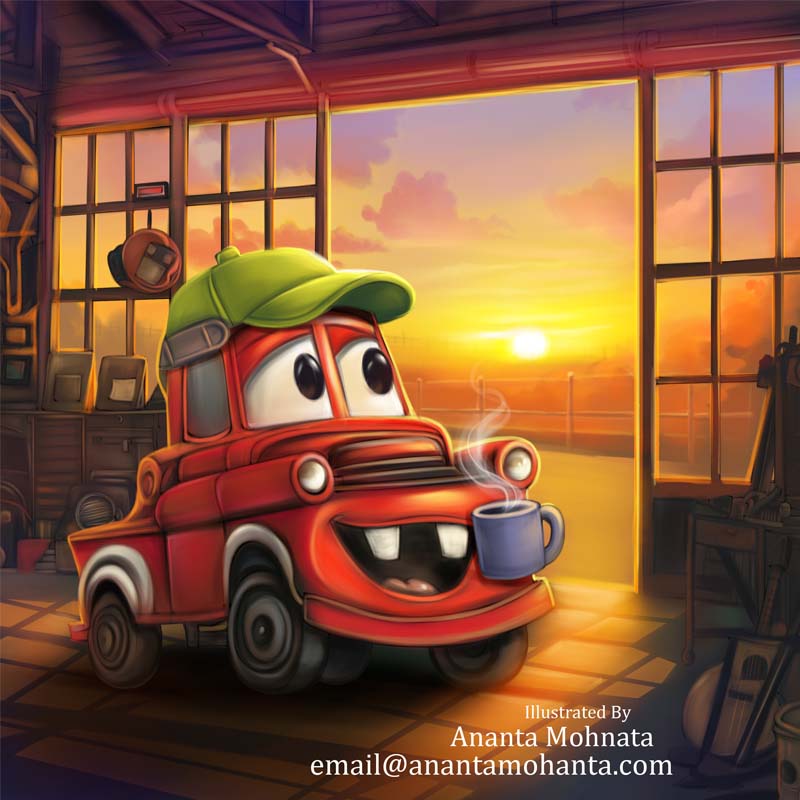
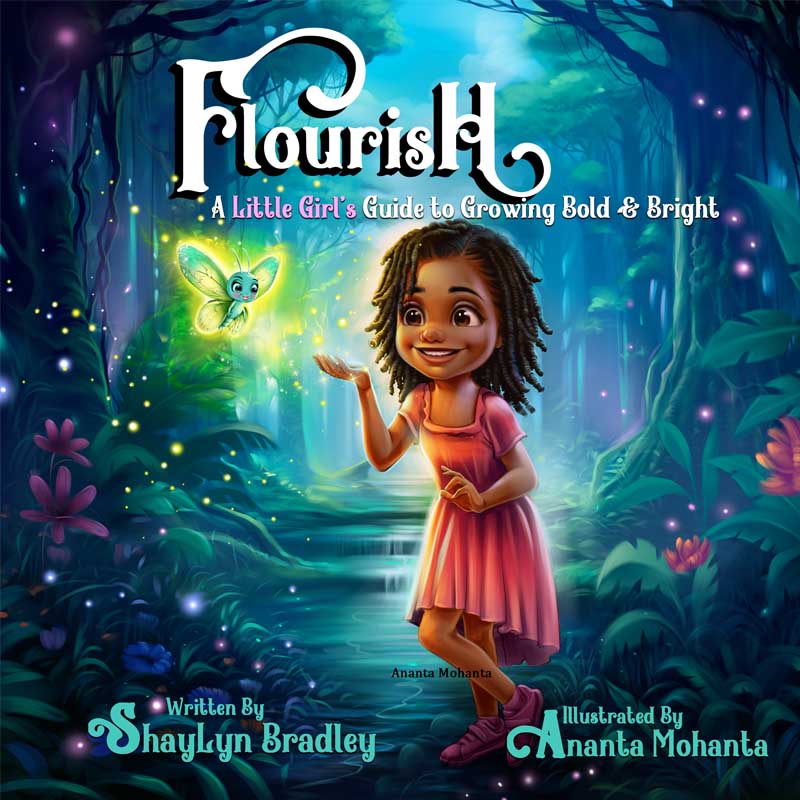
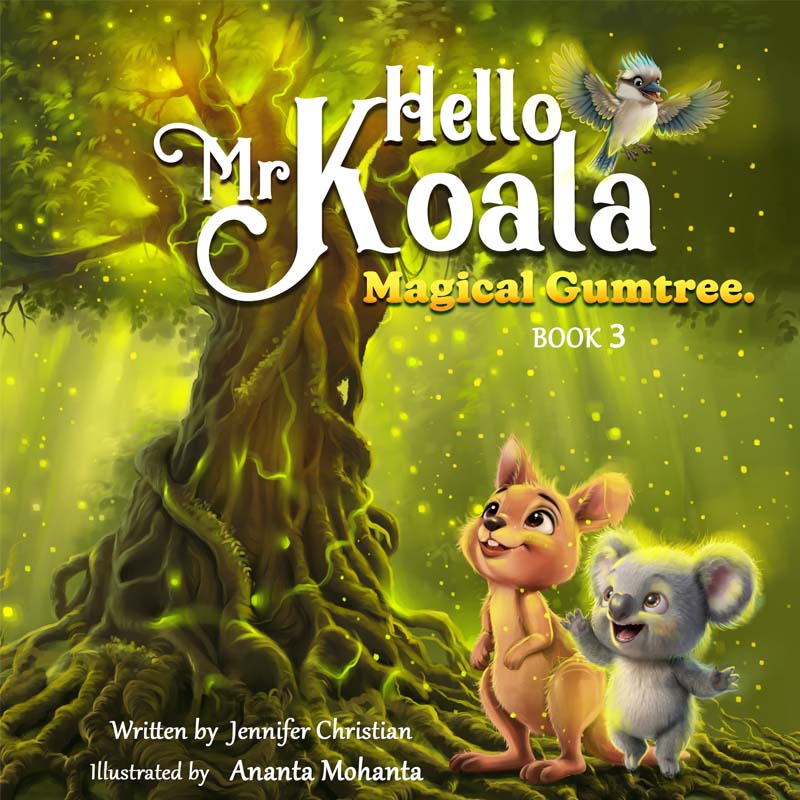
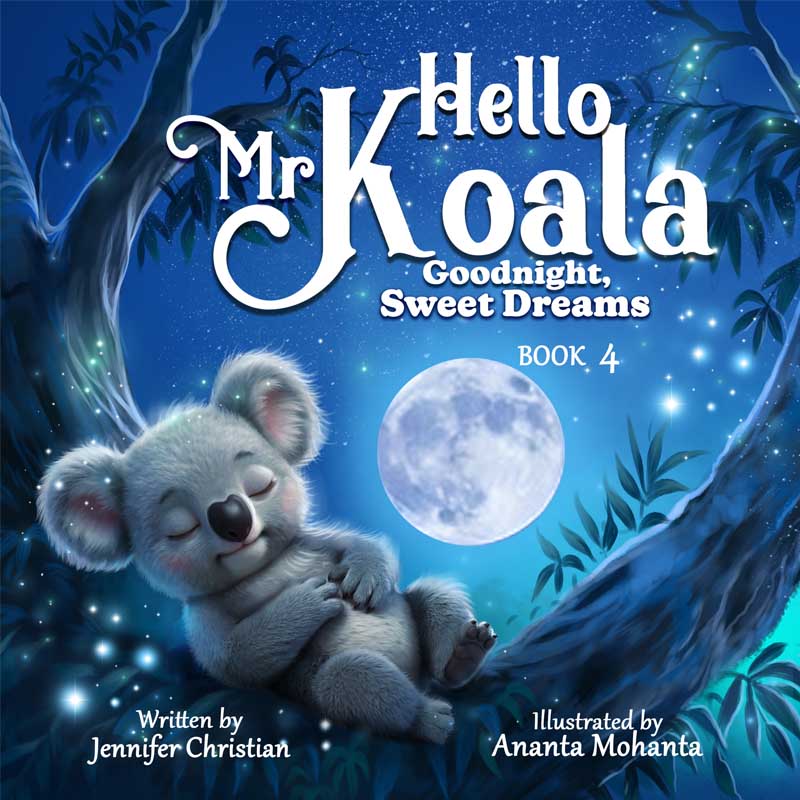
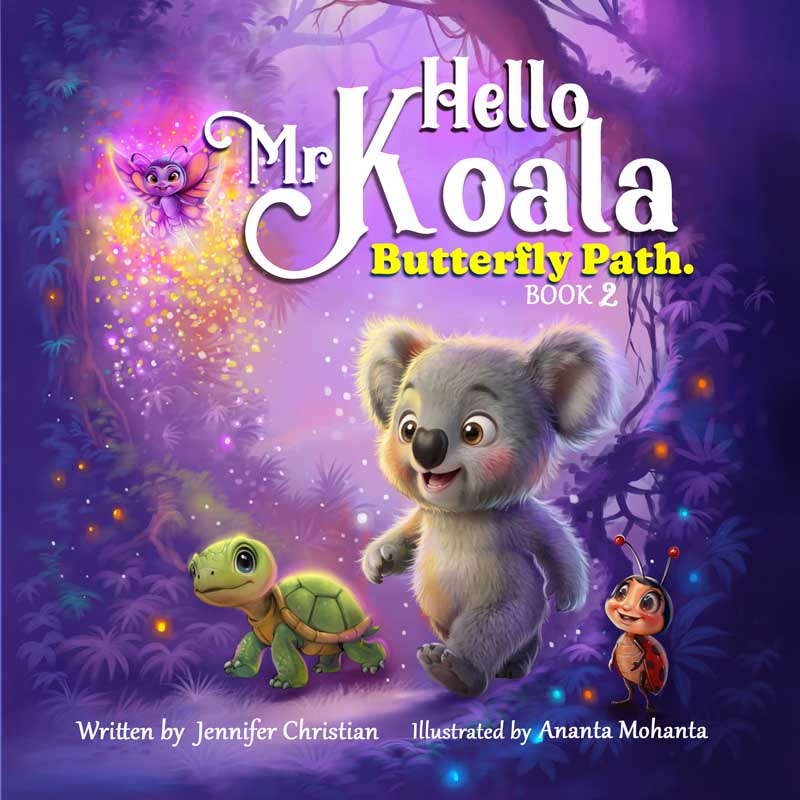
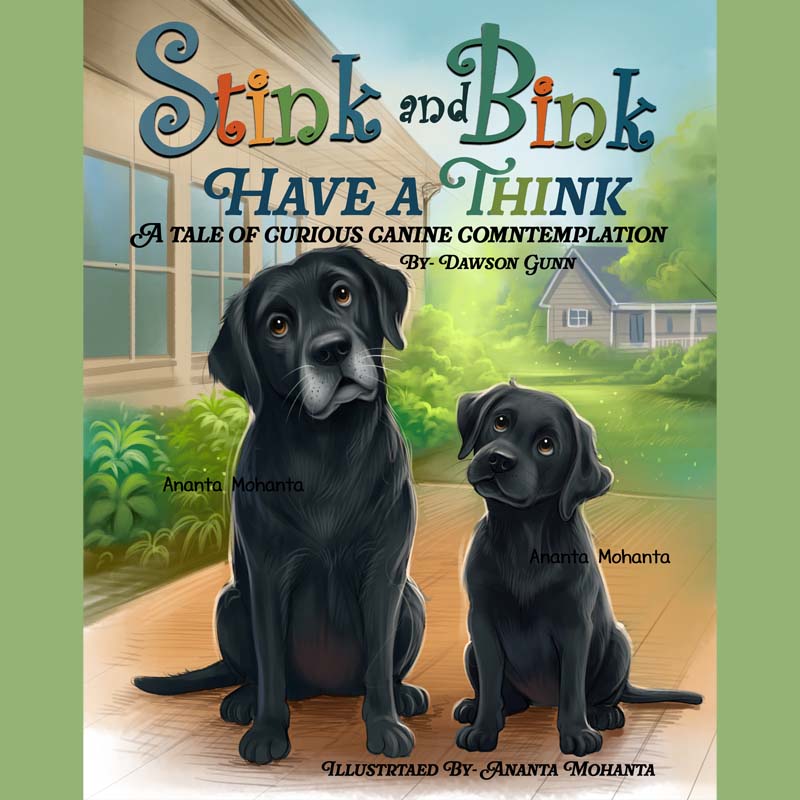
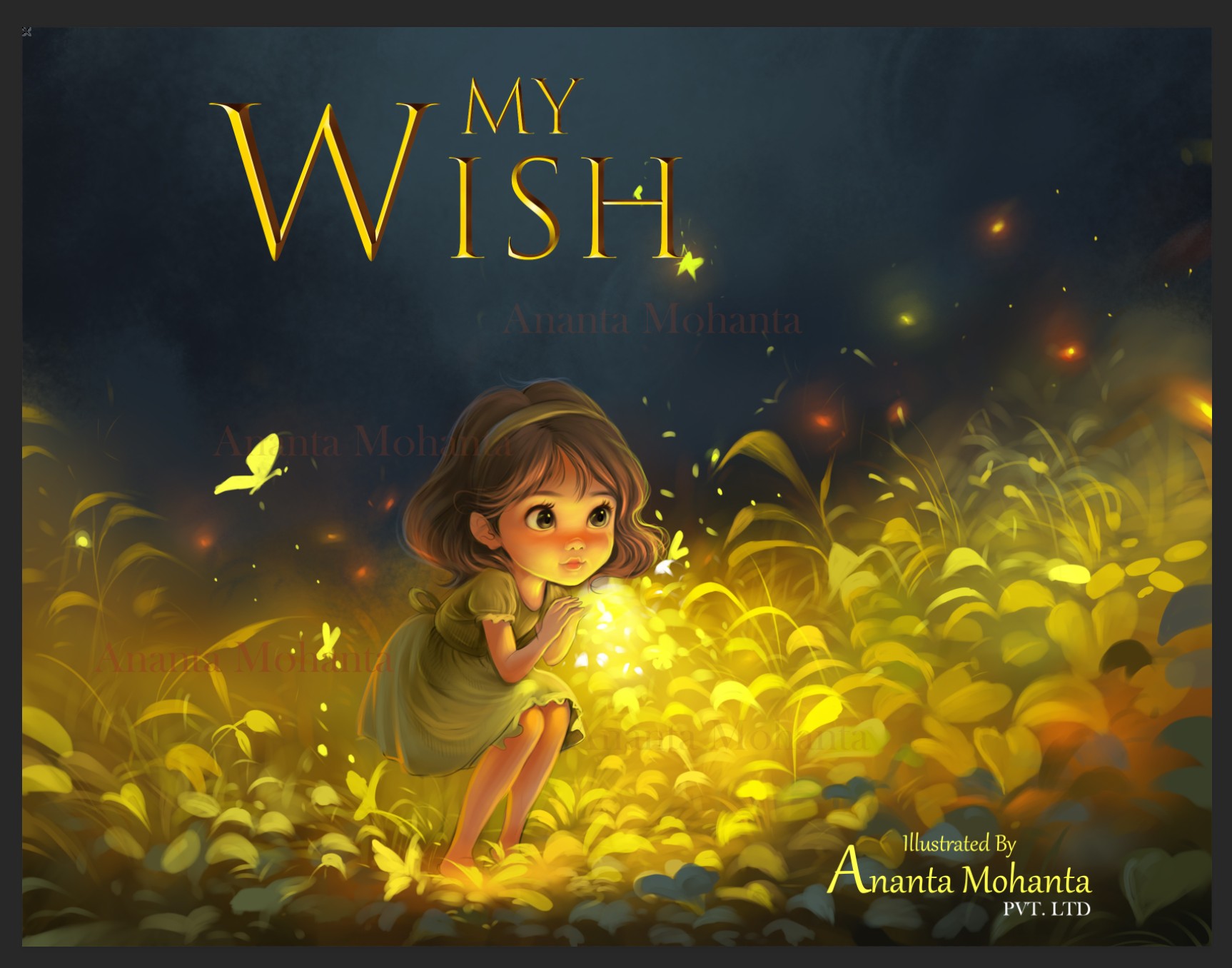
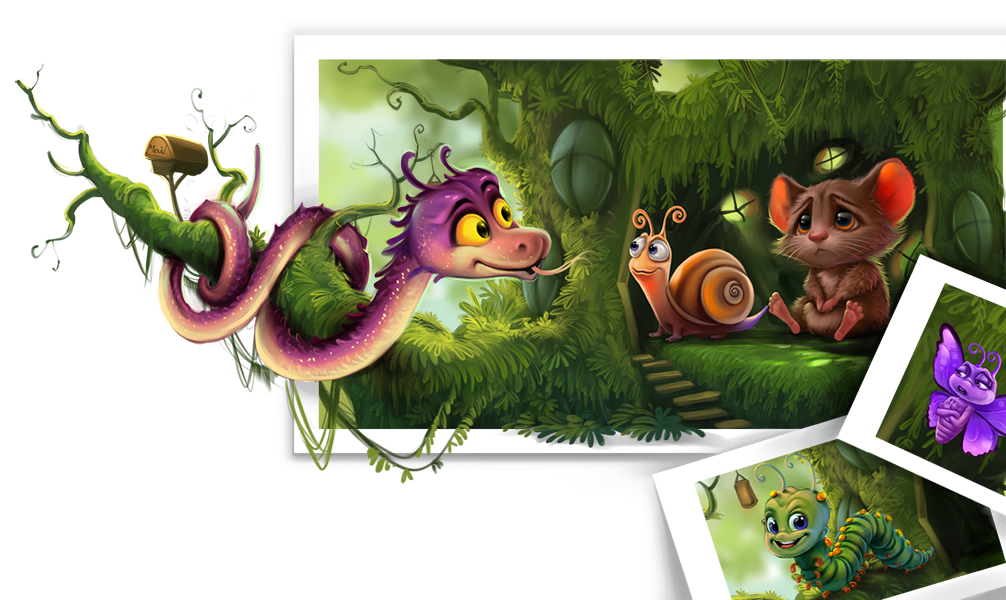
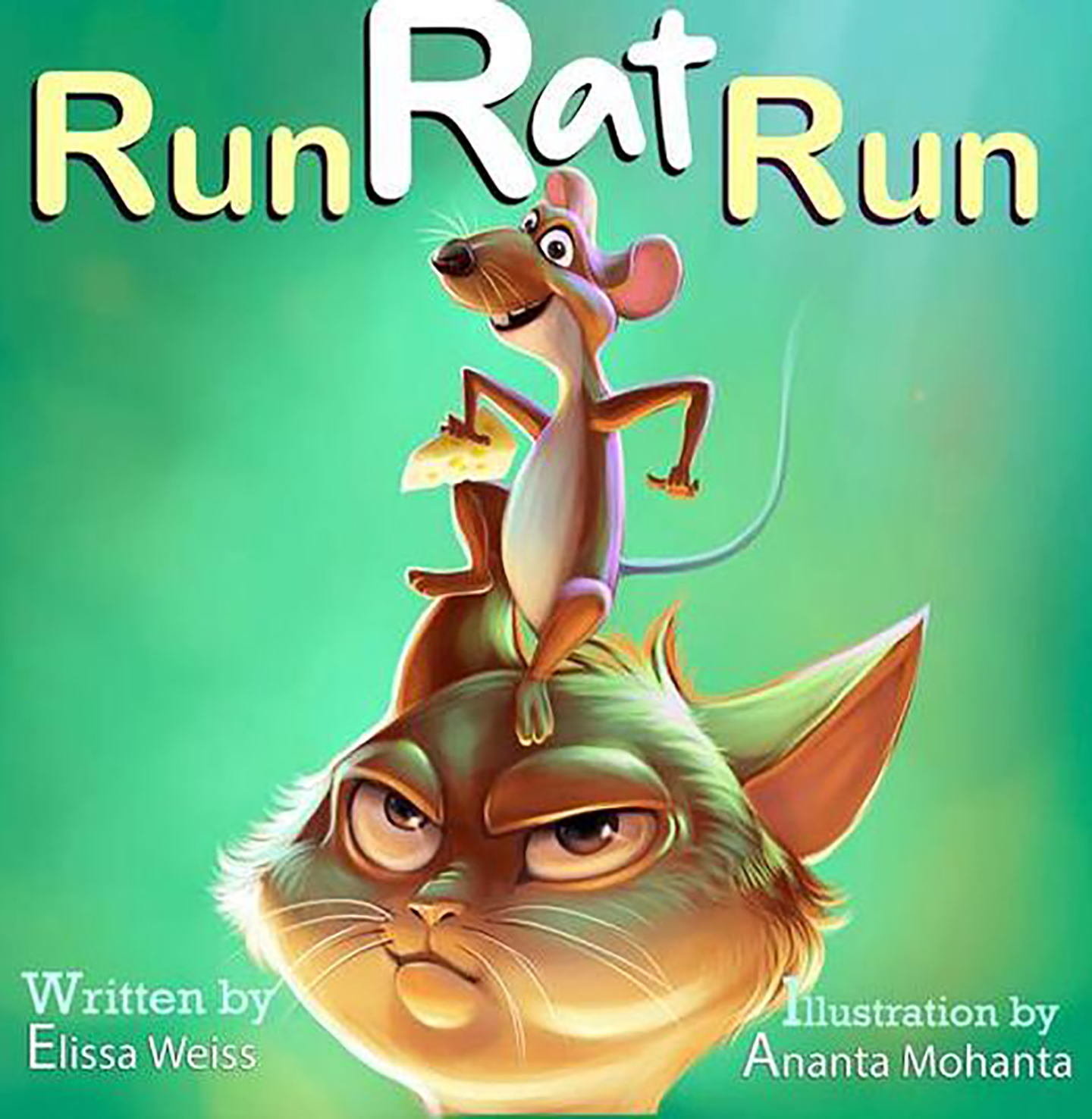
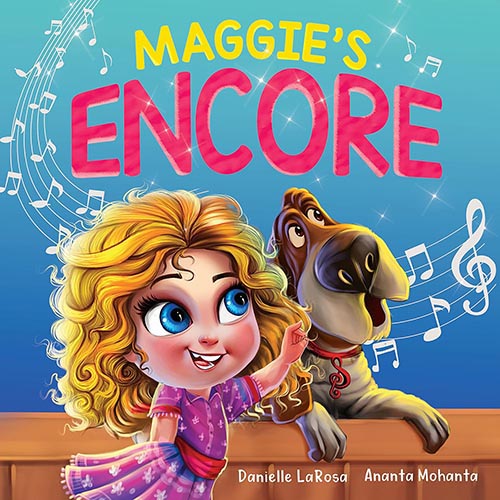
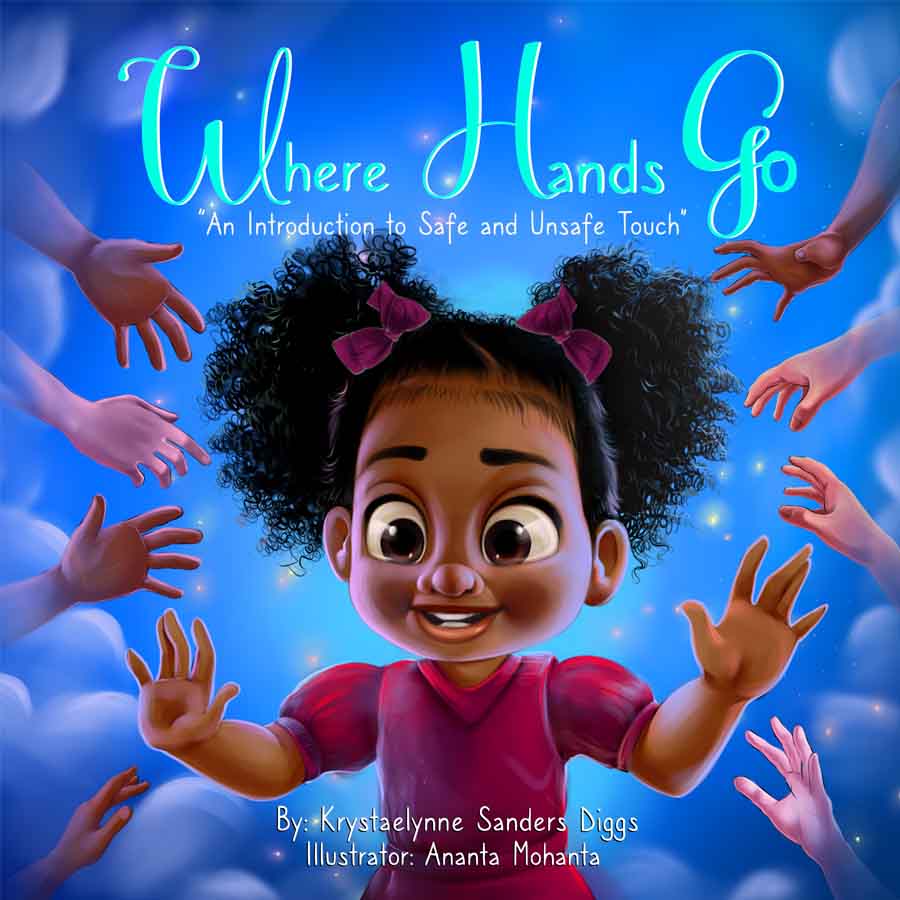
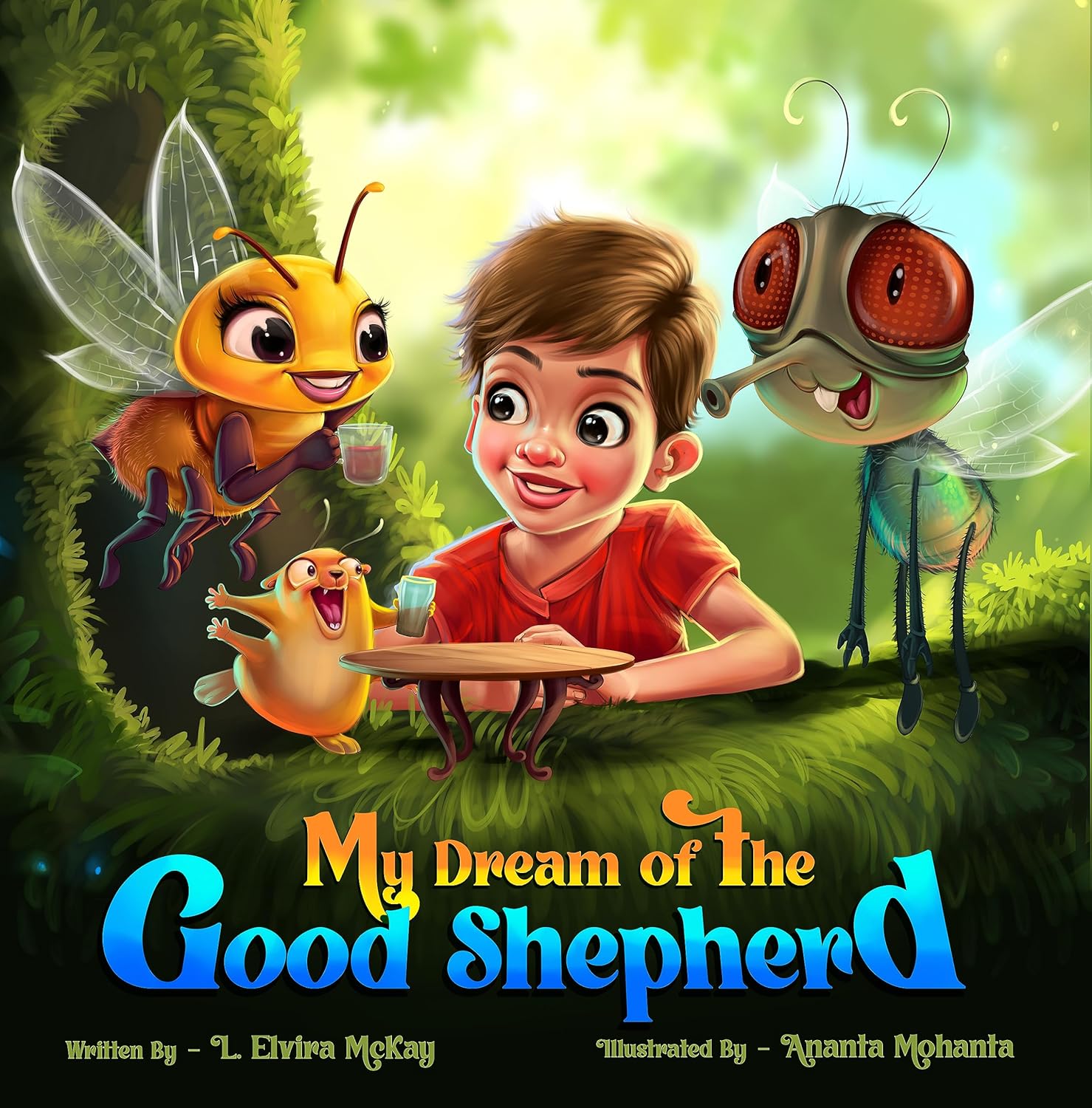
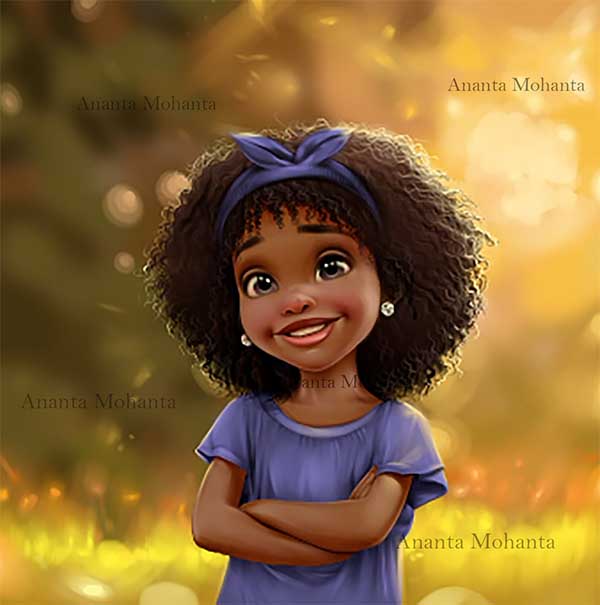
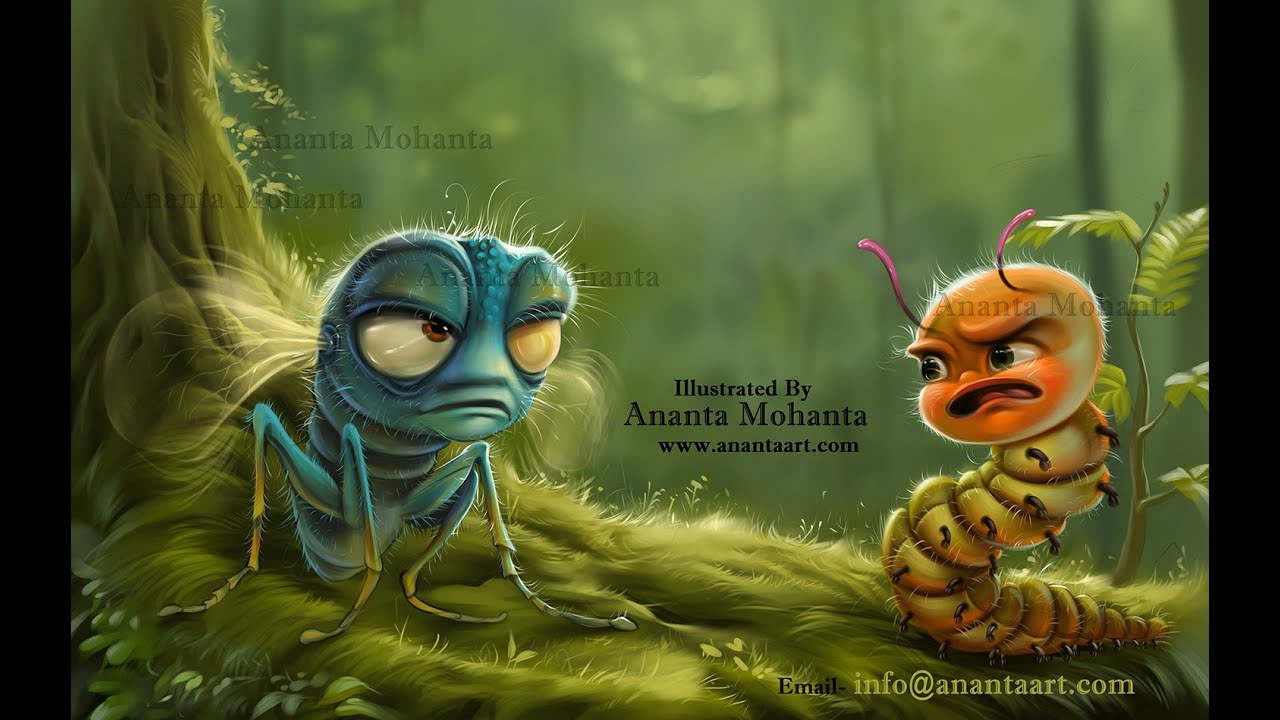
An experienced illustrator—someone like Ananta Mohanta, who has spent over 15 years breathing life into characters—understands that every brushstroke must serve the story’s emotional heart. You should expect an illustrator to ask questions about your characters’ motivations, their quirks, and the overall “vibe” of the world you’ve built. This initial phase of brainstorming is where the magic starts.
The Workflow: What the Process Looks Like
Authors often wonder what happens behind the scenes once the contract is signed. While every artist has a slightly different rhythm, a professional children’s book illustrator typically follows a structured path to ensure the project stays on track:
1. Character Design and Storyboarding
Before a single final page is painted, your children’s book illustrator will create character sheets. This ensures that the protagonist looks the same on page 1 as they do on page 32. Once characters are approved, the artist moves to storyboarding—rough, thumbnail sketches that show the “flow” of the book. This is your chance to see the pacing and ensure the visual transitions make sense.
2. Rough Sketches
Following the storyboard, you will receive more detailed sketches. At this stage, you should expect to see the composition of the pages. Where will the text sit? How do the characters interact with the background? A seasoned children’s book illustrator will always leave “white space” or “quiet areas” for your typography to ensure the book is readable.
3. Color and Final Rendering
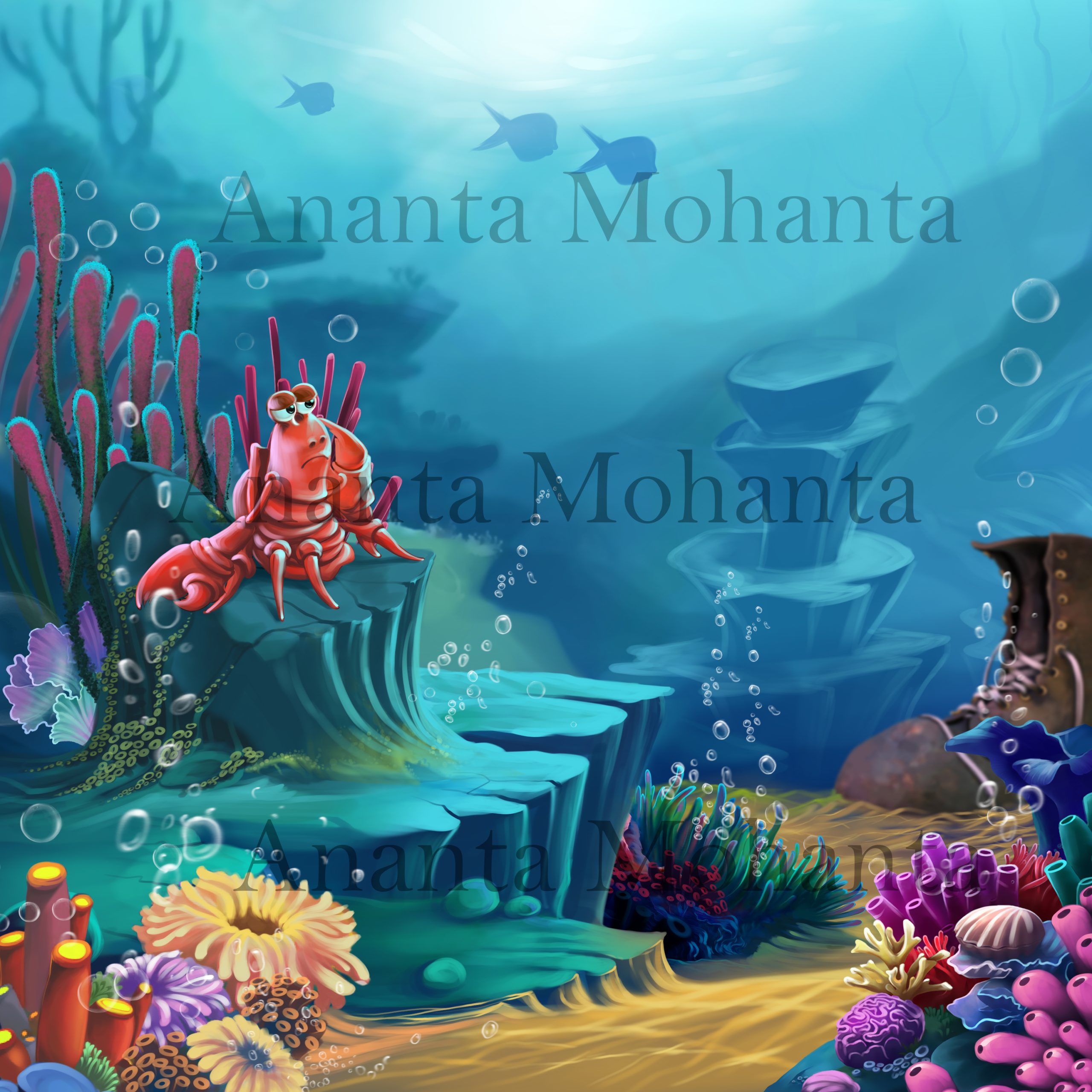
This is the most exciting phase. Once the sketches are locked in, the illustrator adds color, texture, and light. Whether the style is whimsical watercolor or vibrant digital art, this is where the book gains its professional polish.
Trust, Transparency, and Professionalism
One of the biggest hurdles for new authors is the fear of the unknown. Will the illustrator disappear? Will they take the money and run? This is why choosing a children’s book illustrator for hire with a proven track record is vital.
Reliability is the cornerstone of a successful publication. You should expect punctuality and clear communication. Many top-tier illustrators, including Ananta Mohanta, have built their reputations on being “trusted names” by offering transparency. For example, some illustrators provide a free initial demo or work without heavy advance fees to build a bridge of trust with the author. This level of professionalism ensures that the author feels secure throughout the months-long process of creation.
Navigating the Technical Side
When you hire children’s book illustrators, you also need someone who understands the technical requirements of printing. Your illustrator should be well-versed in:
Bleed and Margins: Ensuring art doesn’t get cut off during the binding process.
DPI and Resolution: Providing high-resolution files (usually 300 DPI) so the images are crisp and clear on paper.
CMYK vs. RGB: Understanding how colors shift from a computer screen to a physical printing press.
A professional children’s book illustrator will handle these technicalities seamlessly, so you don’t have to worry about your book looking blurry or misaligned when it arrives from the printer.
Global Collaboration in the Digital Age
The beauty of the modern publishing world is that you aren’t limited by geography. You can find incredible children’s book illustrators from across the globe. Whether an author is in New York and the illustrator is in India, digital tools make collaboration feel like you are in the same room.
When working with someone like Ananta Mohanta, who collaborates with authors worldwide, you benefit from a global perspective. Diverse styles and cultural nuances can give your book a competitive edge in the crowded Amazon KDP or traditional bookstore market.
Final Thoughts: Investing in Your Legacy
Writing a children’s book is an act of love. It is a gift to the next generation. Therefore, when you look for a children’s book illustrator for hire, don’t just look for the cheapest price. Look for the best fit for your story’s soul.
Expect a partner who is as invested in the “happily ever after” as you are. With the right children’s book illustrator, your manuscript will transform from a simple document into a cherished keepsake that children will want to read over and over again.
To know more: www.anantaart.com
Pinterest: https://in.pinterest.com/illustratorananta/
Behance: https://www.behance.net/ananta-mohanta
Follow me on Instagram: www.instagram.com/ananta_mohanta_