Author: admin

  • Freelance Children’s Book Illustrator- Real Talk About Contracts and Royalties

    Freelance Children’s Book Illustrator- Real Talk About Contracts and Royalties

    Before You Sign Anything: Real Talk About Contracts and Royalties With a Freelance Children’s Book Illustrator

     Freelance Children’s Book Illustrator
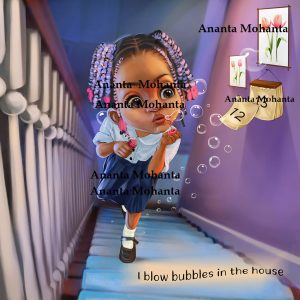
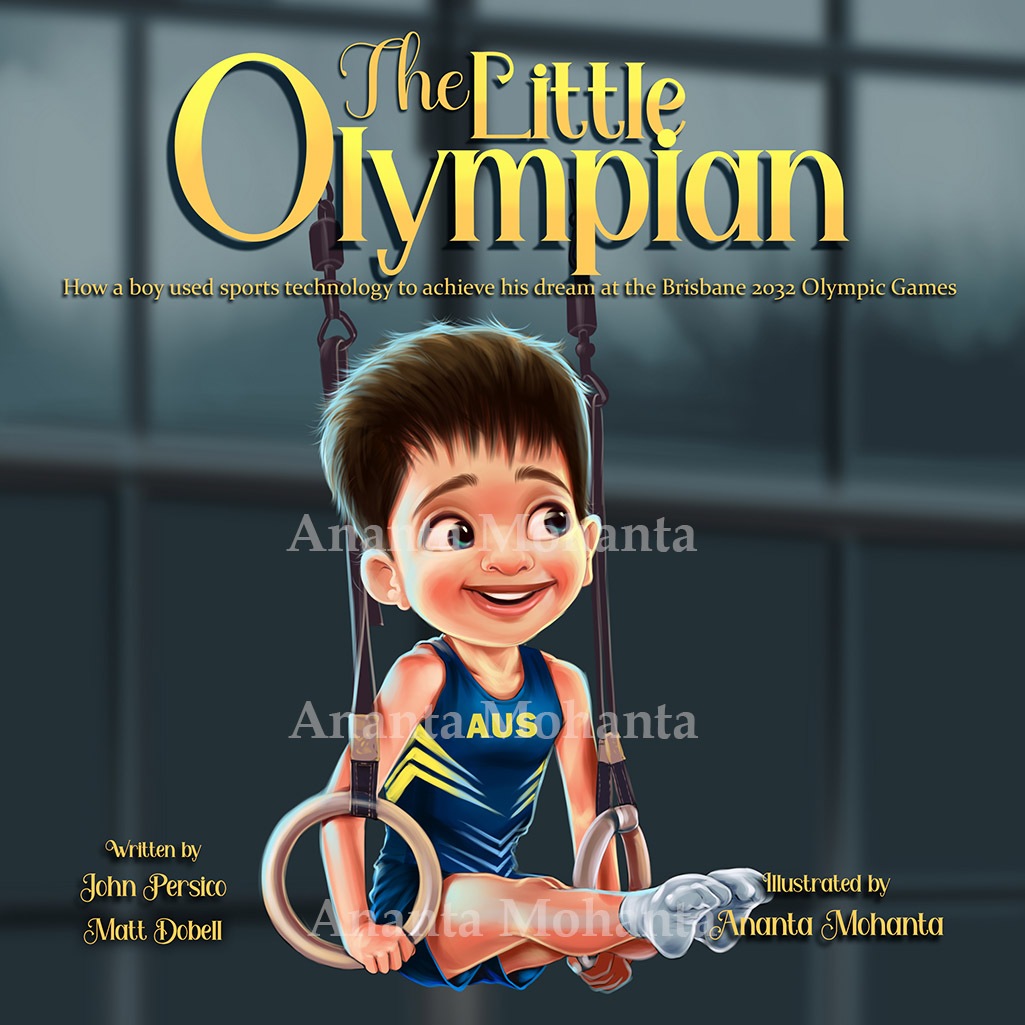
    illustrated by Ananta Mohanta


    When someone reaches out to me about illustrating their book, the first conversation is always exciting.

    They talk about their main character. The message behind the story. Sometimes they even tell me who inspired it — their daughter, their son, a childhood memory.

    And then, at some point, the practical questions come up.

    “Do we need a contract?”
    “Who owns the artwork?”
    “How do royalties work?”

    After working for more than 15 years as a freelance Children’s Book Illustrator, I’ve learned something important: the creative part is emotional, but the agreement part needs to be clear and steady. If that foundation is weak, even a beautiful project can become stressful.

    So let’s talk about this in a straightforward way.

    Why a Contract Actually Makes Things Easier

    Some authors hesitate when I mention an agreement. They worry it makes things too formal.

    But I see it differently.

    A contract is not about doubting each other. It’s about putting everything on the table so there are no surprises later.

    When you hire children’s book illustrators, you are not just paying for drawings. You are investing in:

    Time

    Creative direction

    Technical preparation for print

    Revisions

    Professional responsibility

    If those expectations are not written clearly, confusion creeps in.

    And confusion is what damages working relationships — not contracts.

    The Big Question: Who Owns the Art?

    This is the part that surprises many first-time authors.

    By default, the illustrator owns the copyright of the artwork. That doesn’t mean you can’t use your illustrations. It simply means ownership and usage are two different things.

    When working with a children’s book illustrator for hire, there are usually two common arrangements.

    One option is licensing. That means I give you the right to use the illustrations for your book — print, ebook, maybe marketing — depending on what we agree on. I still retain the original copyright.

    The second option is a full rights transfer. In that case, ownership moves entirely to you. You can use the artwork however you want in the future — new editions, merchandise, anything.

    Full transfer usually costs more. And that’s understandable. It’s like selling a house instead of renting it.

    Neither option is wrong. It depends on your long-term plan.

    Let’s Talk About Money — Flat Fee or Royalty?

    Most of the time, authors prefer a flat fee.

    We agree on the total number of illustrations. We break payments into milestones. Once the project is complete and fully paid, that part is finished. Simple.

    Royalty arrangements are different.

    Sometimes a freelance Children’s Book Illustrator may agree to take a smaller upfront payment in exchange for a percentage of book sales. This can work well in traditional publishing situations or when the distribution plan is strong.

    But royalty agreements require transparency. Sales tracking must be accurate. Payments must be consistent.

    Without structure, royalties can create tension instead of a partnership.

    That’s why many professional children’s book illustrators prefer clear flat-fee projects unless there’s a strong reason to do otherwise.

    Small Details That Matter More Than You Think

    Over the years, I’ve seen problems start from very small assumptions.

    For example:

    Did the author expect unlimited revisions?
    Did the illustrator assume only two revision rounds?

    Was the cover included in the price?
    Or was it separate?

    When you hire children’s book illustrators, clarity in small details prevents big misunderstandings.

    Important things to clarify:

    Total number of illustrations

    Size and format of final files

    Print-ready specifications

    Revision limits

    Delivery timeline

    These are not just technical points. They define the workflow.

    Can the Illustrator Show the Work?

    This is something many authors forget to ask.

    Most professional children’s book illustrators have the right to include completed work in their portfolios. It helps us get future clients.

    If you have a publisher who requires confidentiality, say it early. That way it becomes part of the agreement.

    Clear expectations always make collaboration smoother.

    Thinking Ahead

    Here’s something I always encourage authors to consider.

    What happens if your book becomes successful?

    Will you want:

    Translations in other languages?

    Character merchandise?

    A sequel with the same visual style?

    If your agreement doesn’t allow for those possibilities, you may need to renegotiate later.

    When I work as a freelance Children’s Book Illustrator, I prefer to discuss the long-term vision upfront. It saves time later.

    The Difference Experience Makes

    Anyone can call themselves an illustrator today.

    But being a professional children’s book illustrator means understanding more than drawing. It means understanding deadlines, print requirements, licensing terms, and client communication.

    After working with authors around the world, I’ve realized something simple: authors don’t just want beautiful children’s book illustrations.

    They want reassurance.
    They want reliability.
    They want someone who understands both the business and creative sides.

    Contracts are part of that professionalism.

    Creativity Feels Better When It’s Protected

    Children’s books are personal projects. Some authors have carried their story idea for years before finally deciding to publish.

    When you choose a freelance Children’s Book Illustrator, you’re sharing something meaningful.

    Clear agreements don’t remove warmth from the process. They protect it.

    When everything is defined:

    Payments feel straightforward.

    Deadlines feel realistic.

    Expectations stay balanced.

    And that allows both of us to focus on what truly matters — bringing the story to life in a way children will remember.

    Final Thoughts

    Before you hire children’s book illustrators, take a little time to understand contracts, rights, and royalty structures.

    Ask direct questions.
    Read the agreement carefully.
    Think about the future use of your artwork.

    A serious freelance Children’s Book Illustrator will appreciate those questions. It shows that you care about your project — and about the partnership.

    Strong collaboration is built on trust.
    Trust is built on clarity.

    And clarity begins before the first sketch is ever drawn.


    To know more: www.anantaart.com

    Pinterest: https://in.pinterest.com/illustratorananta/

    Behance:  https://www.behance.net/ananta-mohanta

    Follow me on Instagram: www.instagram.com/ananta_mohanta_

    X: https://x.com/AnantaMohanta6

  • From Manuscript to Magic: How I Work with Authors as a Children’s Book Illustrator

    From Manuscript to Magic: How I Work with Authors as a Children’s Book Illustrator

    From Manuscript to Magic: How I Work with Authors as a Children’s Book Illustrator

    children's book illustrator
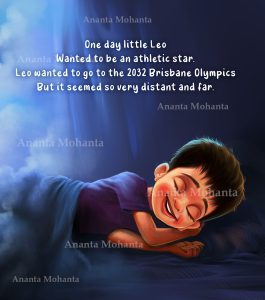
    Illustrated by Ananta Mohanta


    Building a book from scratch is a massive emotional investment. You’ve poured your heart into a manuscript, and now comes the pivot point: finding a children’s book illustrator who can actually see what’s inside your head.

    If you are looking to hire children’s book illustrators, you aren’t just looking for someone who can draw a cute bear or a bright sun. You are looking for a creative partner. A professional children’s book illustrator—like Ananta Mohanta, who brings over 15 years of global experience to the table—understands that a book is a technical puzzle as much as it is an art piece.

    Here is the boots-on-the-ground process of how a story moves from a Word doc to a finished, printed masterpiece.

    Step 1: The “Vibe Check” and Discovery

    The first step isn’t drawing; it’s talking. When you find a children’s book illustrator for hire, you need to make sure your styles click.

    In this phase, you’ll share your manuscript and any “vision boards” you’ve made. A seasoned pro like Ananta Mohanta will ask about the “soul” of the book. Is it meant to be a quiet bedtime story with soft, muted tones? Or a high-energy classroom comedy with bold, saturated colors? Getting this right early prevents massive revisions later.

    Step 2: Casting Your Characters

    Before the book starts, your children’s book illustrator creates character sheets. This is where your protagonist is born.

    You’ll see them from the front, the side, and the back. You’ll see them happy, sad, and surprised. This “model sheet” ensures that the character looks exactly the same on page 1 as they do on page 30. If the hair color is slightly off or the outfit doesn’t feel right, this is the time to speak up.

    Step 3: The Storyboard (The Skeleton)
    This is the most underrated part of the process. Your illustrator will create “thumbnails”—rough, tiny sketches of every page.

    Why is this vital?

    The Gutter: It prevents important art from being sucked into the middle fold of the book.

    Text Placement: It carves out “white space” so the words aren’t fighting the art.

    Pacing: It shows you how the story flows. If page 10 feels too crowded, you fix it here, not after it’s painted.

    Step 4: Detailed Pencil Sketches
    Once the “skeleton” is approved, the children’s book illustrator builds the muscle. These are full-sized, detailed drawings. You’ll see the background details, the expressions, and the specific “acting” of the characters.

    Working with a veteran like Ananta Mohanta means you get a sharp eye for detail here. Once you give the “thumbs up” on these sketches, the composition is locked in.

    Step 5: Bringing in the Color
    This is the “magic” moment. The illustrator begins the final rendering. Whether it’s digital paint or a traditional look, this is where the book’s emotion truly lands.

    High-quality children’s book illustrators usually send one or two finished “sample pages” first. This confirms you love the lighting and the texture before they spend weeks finishing the rest of the book.

    Step 6: Technical Polish and File Delivery
    The art might be finished, but the job isn’t done. A professional children’s book illustrator ensures the files are technically perfect for the printer. This means:

    300 DPI Resolution: So the images are crisp, not blurry.

    Bleed Margins: Extra art around the edges so the printer can trim the pages without leaving white gaps.

    CMYK Color Mode: Ensuring the colors you see on your screen actually look that way on paper.

    Why the “Who” Matters
    The world of children’s book illustrators is wide, but experience is the differentiator. Ananta Mohanta has spent 15+ years working with authors from all over the world, earning a reputation for high-quality art, strict professionalism, and—perhaps most importantly—punctuality.

    In the publishing world, a missed deadline can kill a marketing campaign. Choosing a pro means your book stays on schedule and looks world-class.


    To know more: www.anantaart.com

    Pinterest: https://in.pinterest.com/illustratorananta/

    Behance:  https://www.behance.net/ananta-mohanta

    Follow me on Instagram: www.instagram.com/ananta_mohanta_
    X: https://x.com/AnantaMohanta6

  • A Guide to Finding Your Freelance Children’s Book Illustrator- Ananta

    A Guide to Finding Your Freelance Children’s Book Illustrator- Ananta

    A Guide to Finding Your Freelance Children’s Book Illustrator- Ananta


    freelance children's book illustrator
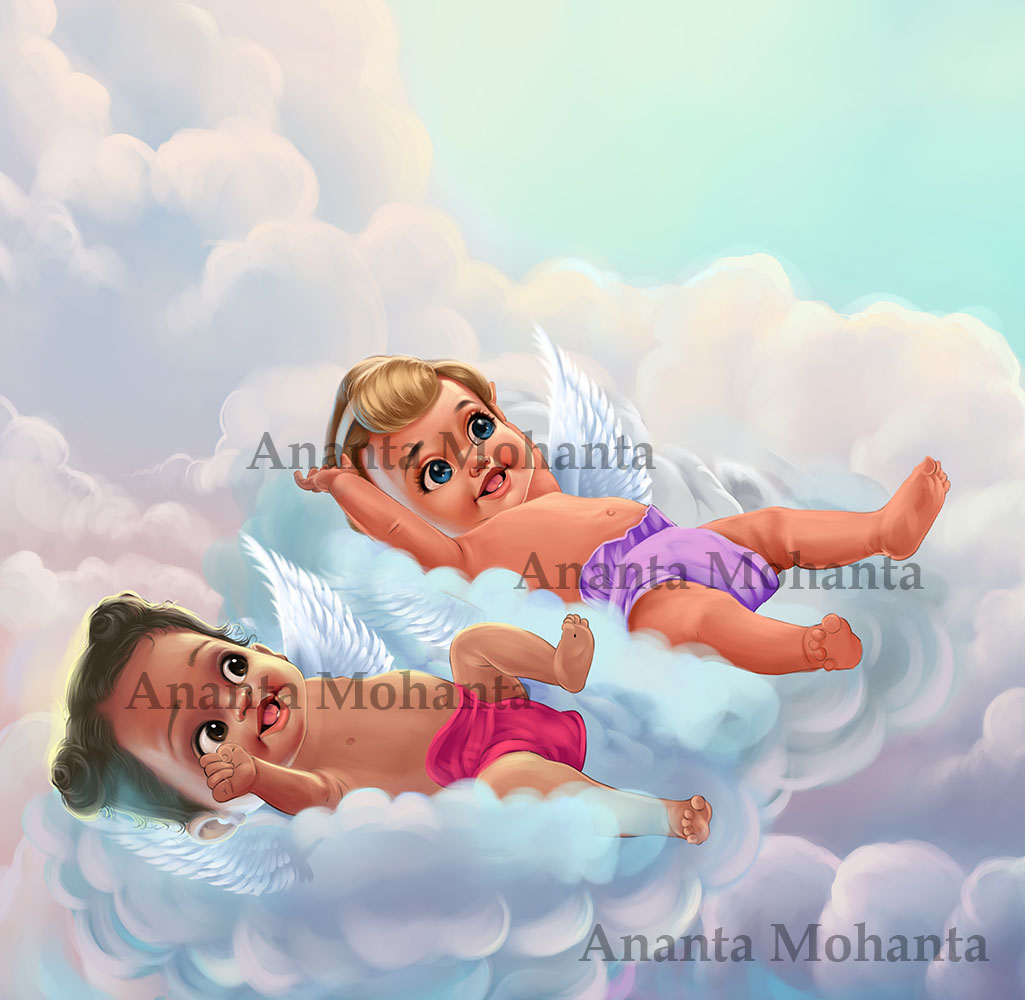
    Illustrated by Ananta Mohanta


    Every author reaches that nerve-wracking moment where they have to hand over their “baby”—their manuscript—to an artist. It’s a leap of faith. You aren’t just looking for someone who can draw; you are looking for a freelance children’s book illustrator who can see the world exactly how you imagined it.

    But how do you separate the hobbyists from the true pros? To make sure your publishing journey is a dream rather than a nightmare, I’ve put together a practical roadmap for finding a professional children’s book illustrator.


    1. Look for “The Spark” in the Portfolio

    When you start browsing for children’s book illustrators, it’s easy to get distracted by flashy colors. But look deeper. A great picture book is about continuity.

    • The Consistency Test: If the main character is wearing a red hat on page 3, do they look exactly the same on page 22?
    • The Emotional Range: Can the artist convey sadness, excitement, or mischief through a character’s body language?

    If an artist’s portfolio shows the same character across multiple scenes with different expressions, you’ve found a winner.

    1. Technical Chops Matter (A Lot)

    There’s nothing worse than getting to the finish line and realizing your files are blurry or the wrong size. When you hire children’s book illustrators, you need someone who understands the “boring” technical side of the business.

    • Bleeds and Gutters: Do they know how to leave space so the character’s face doesn’t get swallowed by the book’s spine?
    • Print-Ready Files: Ask if they provide 300 DPI high-resolution files. If they look confused, keep looking.
    1. The Power of a 15-Year Track Record

    Experience isn’t just a number; it’s peace of mind. Take Ananta Mohanta, for example. He is a freelance children’s book illustrator who has spent over 15 years in the trenches with authors from every corner of the globe.

    Why does that matter? Because a veteran like Ananta has seen every possible hurdle. He’s known for high-quality illustrations, sure, but his real superpower is his professionalism and punctuality. In an industry where ghosting and missed deadlines are unfortunately common, working with a seasoned pro is the best insurance policy your book can have.


    1. The “Before You Sign” Agreement Points

    Don’t just rely on a handshake or a DM. Before you hire children’s book illustrators, clarify these specific points:

    • The Sketch Phase: Will you get to see rough pencil sketches for the whole book before they start painting? This is the best time to make big changes.
    • The Revision Limit: How many small tweaks are included? Usually, two or three rounds are standard.
    • Ownership and Rights: Do you own the copyright for the final images? Make sure you have the right to use them for marketing and sequels.
    • The Timeline: Set a “drop-dead” date for the final files.
    1. Communication: The Secret Sauce

    You and your professional children’s book illustrator are going to be “married” for the next few months. If they take a week to reply to a simple email now, imagine how it will feel when you’re nearing your launch date!

    You want an artist who is a collaborator, not just a contractor. They should be asking you questions: What is the protagonist’s favorite toy? Is the setting sunny or overcast? This level of care is what makes a book feel alive.

    1. Setting a Realistic Budget

    We all want a bargain, but when you hire children’s book illustrators, you usually get exactly what you pay for. A cheap illustrator might save you money upfront, but if the art is generic or the files are unusable for print, you’ll end up paying double to have a professional fix it later.

    Invest in quality. Invest in someone like Ananta who brings 15+ years of global perspective to the table.


    Final Thoughts

    Your book deserves to be a masterpiece. By using this checklist, you’re not just hiring a freelance children’s book illustrator; you’re building a foundation for your success as an author. Look for the talent, but hire for the reliability.


    To know more: www.anantaart.com

    Pinterest: https://in.pinterest.com/illustratorananta/

    Behance:  https://www.behance.net/ananta-mohanta

    Follow me on Instagram: www.instagram.com/ananta_mohanta_
    X: https://x.com/AnantaMohanta6

  •  Trusted Freelance Children’s Book Illustrator – Ananta with 15 years of experience

     Trusted Freelance Children’s Book Illustrator – Ananta with 15 years of experience

     Trusted Freelance Children’s Book Illustrator – Ananta with 15 years of experience


    Freelance children's book illustrator
    Illustrated by Ananta Mohanta

    Let’s be honest for a second. You’ve probably spent months—maybe even years—staring at a blinking cursor, pouring your soul into a manuscript. You finally finish it, and then the panic sets in. How do you find someone who “gets” it? How do you find an artist who doesn’t just draw what you say, but actually understands the feeling behind your words?

    The truth is, the world of freelance children’s book illustrators is crowded. But there is a massive difference between someone who can draw a pretty picture and a veteran who knows how to build a world. That’s where Ananta Mohanta comes in. With over 15 years of experience under his belt, he’s not just an artist for he’s a storyteller’s secret weapon.


    Why “15+ Years” Isn’t Just a Fancy Number

    In the creative world, time equals intuition. When you hire children’s book illustrators, you aren’t just paying for the final JPEG or PDF. You’re paying for the thousands of mistakes they’ve already learned from, so you don’t have to.

    Ananta has spent a decade and a half figuring out the “tricky” stuff. I’m talking about things like:

    • The “Page-Turn” Factor: Knowing exactly where to place a character so a child is dying to see what happens on the next page.
    • Character Branding: Ensuring your main character looks identical on page 3 and page 30 (which is way harder than it looks, trust me).
    • Technical Peace of Mind: He knows the difference between RGB and CMYK, bleed lines, and gutter margins. You won’t get a panicked email from the printer saying your files are a mess.


    Ananta Mohanta: A Global Reputation Built on Trust

    If you’ve ever worked with a “flaky” freelancer, you know the nightmare of missed deadlines and ghosted emails. Ananta has built his entire career on the opposite. He’s become a go-to professional children’s book illustrator for authors across the globe, specifically because he is punctual and professional.

    He treats your book like it’s his own. Whether you’re a first-time self-publisher or a seasoned author with a dozen titles, the level of care is the same. He’s best known for that high-quality finish—that “sparkle” that makes a book look like it belongs on the front shelf of a major bookstore.


    What Happens When You Find the Right Children’s Book Illustrator for Hire?

    The magic of a great freelance children’s book illustrator is that they add a layer to the story you didn’t even know was missing. Ananta has this knack for capturing expressions—a little smirk, a worried glance, a wide-eyed wonder—that speaks to kids before they can even read the text.

    The Real Value of Your Investment:

    1. Marketability: Let’s face it—parents buy books based on the cover. Ananta’s art stops the scroll.
    2. Consistency: He’s a partner who stays with you from the first rough sketch to the final color pop.
    3. Versatility: Working with authors of all kinds means he can adapt. Whether your story is whimsical and soft or bold and adventurous, he finds the right “voice” for the visuals.


    Your Story Deserves a Professional Touch

    It’s tempting to cut corners, but your book is your legacy. It’s the story a parent will read to their child at 8:00 PM when they’re exhausted. You want those images to be burned into that child’s memory in the best way possible.

    When you look at children’s book illustrators, look for the ones who have stood the test of time. Ananta Mohanta hasn’t survived in this industry for 15+ years; he has thrived. He understands the heart of a story and the technical needs of the publishing world.


    To know more: www.anantaart.com

    Pinterest: https://in.pinterest.com/illustratorananta/

    Behance:  https://www.behance.net/ananta-mohanta

    Follow me on Instagram: www.instagram.com/ananta_mohanta_

    X: https://x.com/AnantaMohanta6

  • Beyond the Pretty Picture: How to Judge a Children’s Book Illustrator’s Portfolio

    Beyond the Pretty Picture: How to Judge a Children’s Book Illustrator’s Portfolio

    Beyond the Pretty Picture: How to Judge a Children’s Book Illustrator’s Portfolio

    Children's book illustrator
    Illustrated by Ananta Mohanta

    You’ve finally finished your manuscript. It’s a huge milestone. But now, you face a different kind of mountain: finding a children’s book illustrator who can actually see what’s inside your head.

    The internet is overflowing with “artists,” but a portfolio full of cute sketches doesn’t always translate to a successful 32-page book. If you want to hire children’s book illustrators who bring true value to your project, you have to look past the surface-level charm. You need to hunt for technical storytelling and professional stamina.

    Here is the “insider” checklist for evaluating portfolio quality before you sign a single contract.


    1. The Survival of the Character

    The hardest part of being a freelance children’s book illustrator isn’t drawing a character once; it’s drawing them a hundred times.

    When you browse a gallery, look for “character consistency.” If the protagonist has a round nose on page four but a pointy one on page twelve, the reader (especially a child) will notice. Kids are detectives. They will spot a change in hair shade or shoe style instantly.

    What to look for:

    • Model Sheets: Does the artist show the character from the back, in profile, and three-quarters view?
    • Acting: Can the character “act”? Look for subtle expressions—not just “happy” or “sad,” but “guiltily happy” or “stubbornly sad.”
    1. Composition: Managing the “Gutter” and the “Bleed”

    A professional children’s book illustrator knows that books have a physical reality. They have a center crease called the gutter where art disappears, and edges called the bleed that get trimmed off by the printer.

    If an illustrator’s portfolio only shows single, square images, they might not understand how a “spread” works. You need someone who can lead the eye from the left page to the right page, creating a “page-turner” effect. If the most important part of the action is dead-center, it’s going to get lost in the binding. That’s a hallmark of an amateur.

    1. Visual “Easter Eggs” and Subtext

    A top-tier children’s book illustrator for hire adds a second layer to your story. If your text says the room is messy, a great artist decides why it’s messy. Is there a half-eaten sandwich? A toy that appears on every page?

    This level of detail shows that the artist isn’t just a “renderer,” they are a narrator. This is what makes a book a classic rather than a one-time read.


    The Veteran Advantage: Ananta Mohanta

    In this industry, “quality” is also measured by reliability. This is why many authors gravitate toward a professional children’s book illustrator like Ananta Mohanta.

    With a career spanning over 15 years, Ananta has mastered the delicate balance between high-end artistry and the logistical demands of publishing. Whether it’s meeting a tight deadline or ensuring the color profiles are perfect for the printer, his experience eliminates the “trial and error” phase that often plagues newer authors. When you look at a veteran’s portfolio, you’re seeing 15+ years of refined skill and global collaboration.


    1. Lighting as a Storytelling Tool

    Amateur art often looks “flat”like a coloring book that was filled in with a single bright light. A high-quality children’s book illustrator uses light to tell the reader how to feel.

    • Atmosphere: Can they do “gloomy” without being scary? Can they do “magic” without it looking messy?
    • Depth: Look for shadows. Shadows give a character weight and make them feel as if they occupy real space, not just a flat screen.
    1. Texture and “Touchability”

    Even in digital art, you want to see texture. You want the sweaters to look itchy and the grass to look soft. If every surface in an illustrator’s portfolio looks like shiny plastic, your book might feel cold. A freelance children’s book illustrator who understands “media”—even if they work on an iPad—will inject warmth and grit into the work.

    1. The “White Space” Strategy

    Does the artist leave room for you? This is a huge “quality” indicator. A portfolio that is 100% “busy” art is a red flag. You need an artist who understands where the text will live. Look for “vignettes” (art surrounded by white space) and “spots.” This shows they are thinking about the final product, the actual book—not just a standalone painting.


    Making the Final Call

    Choosing from the sea of children’s book illustrators is a gut-feeling decision backed by technical evidence. Don’t be afraid to ask for a sample or a specific character sketch if you’re on the fence.

    The right artist, someone like Ananta Mohanta, who pairs 15 years of “on-the-job” wisdom with vibrant, professional visuals, will do more than just draw your book. They will elevate it.

    To know more: www.anantaart.com

    Pinterest: https://in.pinterest.com/illustratorananta/

    Behance:  https://www.behance.net/ananta-mohanta

    Follow me on Instagram: www.instagram.com/ananta_mohanta_
    X: https://x.com/AnantaMohanta6

  • A Guide to Choosing a Children’s Book Illustrator: The Human Touch vs. The Machine

    A Guide to Choosing a Children’s Book Illustrator: The Human Touch vs. The Machine

    The Human Touch vs. The Machine: A Guide to Choosing a Children’s Book Illustrator

    Children's book illustrator
    Illustrated by Ananta Mohanta


    You’ve poured your heart and soul into a manuscript. You’ve tweaked every line of dialogue and polished every rhyme until it shines. Now, you stand at the most expensive and emotional crossroads of the self-publishing journey: The Illustrations.

    In a world buzzing with talk about Generative AI, many authors are tempted by the “quick fix.” Why spend weeks collaborating with a human when a computer can spit out an image in thirty seconds? But before you gamble your book’s future on an algorithm, let’s talk about the reality of the industry.

    As an author, you aren’t just looking for pictures; you’re looking for a legacy. Here is why choosing a children’s book illustrator is the best move you will ever make for your career.


    More Than Just Pixels: The Power of Intentionality

    When you work with a freelance children’s book illustrator, you aren’t just buying a JPG file. You are hiring a director, a set designer, and a character actor all rolled into one.

    Take Ananta Mohanta, for instance. With over 15 years of experience as a professional children’s book illustrator, Ananta doesn’t just “draw a scene.” He reads your script and looks for the “why” behind the story.

    AI lacks intentionality. It doesn’t know that the red balloon in the background is a metaphor for a child’s lost innocence. It just knows how to mash pixels together based on a prompt. A human artist, however, builds a visual narrative that grows with your text.


    The Consistency Trap: Why AI Fails the “Character Test”

    The biggest hurdle for AI in children’s publishing is the “Consistency Crisis.” In a standard 32-page layout, your main character needs to look identical from every angle, in every lighting condition, and through every facial expression.

    • The AI Problem: You might get a great “Hero Shot,” but try getting the AI to draw that same character tying their shoelaces from a side profile. The hair changes, the nose shifts, and suddenly, your protagonist is a stranger.
    • The Professional Solution: When you hire children’s book illustrators, they create a “Character Sheet” first. They understand the anatomy and soul of your character. Whether the character is jumping, sleeping, or crying, they remain recognizable. This is what builds a brand that kids fall in love with.


    Technical Mastery: The “Boring” Stuff That Matters

    There is a huge difference between a digital image and a printable book file. Most AI-generated images are low-resolution or in RGB color modes designed for screens.

    When you work with a children’s book illustrator for hire, they handle the technical headaches, so you don’t have to:

    1. Bleed and Trim Zones: Ensuring that the printer’s blade doesn’t cut off your character’s feet.
    2. The Gutter: Keeping the action away from the center fold, where it disappears into the binding.
    3. DPI and Color Profiles: Delivering files in CMYK at 300 DPI so the colors on the paper match the colors on the screen.


    Partnering with a Pro: The Ananta Mohanta Advantage

    Experience is the one thing you cannot “prompt” an AI to have. Ananta Mohanta has spent 15+ years navigating the nuances of the global publishing market. This isn’t just about drawing; it’s about professionalism and punctuality.

    When you hire children’s book illustrators of this caliber, you get a partner who respects your deadlines. Authors from around the globe trust Ananta because he understands the stakes. Your book isn’t a hobby; it’s a dream. A professional children’s book illustrator treats it with that level of gravity.


    The Legal Ownership Minefield

    As an author, your Intellectual Property (IP) is your retirement fund. Currently, the legal status of AI art is a mess. In many regions, you cannot copyright AI-generated images because there is no “human authorship.”

    If your book becomes the next Gruffalo, you want to make sure you own the rights to the characters for merch, movies, and sequels. By commissioning a freelance children’s book illustrator, you get a signed contract. You own the work. Your investment is protected.


    Final Thoughts: Don’t Cut Corners on Your Dream

    Your book is the first bridge a child crosses into the world of imagination. They deserve art created with love, not produced by a server farm.

    While AI can be a fun tool for brainstorming, the heavy lifting of a 32-page book requires a human touch. Investing in a professional children’s book illustrator like Ananta Mohanta ensures that your book looks like it belongs on the front shelf of a bookstore, not buried in the depths of a low-quality digital bin.


    To know more: www.anantaart.com

    Pinterest: https://in.pinterest.com/illustratorananta/

    Behance:  https://www.behance.net/ananta-mohanta

    Follow me on Instagram: www.instagram.com/ananta_mohanta_

    X: https://x.com/AnantaMohanta6

  • Finding Your Visual Voice: Children’s Book Illustrators for Hire

    Finding Your Visual Voice: Children’s Book Illustrators for Hire

    Finding Your Visual Voice: Children’s Book Illustrators for Hire

    Children's book illustrators for hire
    Illustrated by Ananta Mohanta

    So, you’ve finally typed “The End” on your picture book manuscript. That’s a massive win, but now comes the part that usually keeps authors up at night: the visuals. Let’s be real—in the world of kids’ literature, the art doesn’t just “help” the story; it is the story. If you’re currently hunting for children’s book illustrators for hire, you aren’t just looking for someone who can draw. You’re looking for a co-pilot who can see the world you’ve built in your head and translate it onto the page.

    The process to hire children’s book illustrators can feel like a bit of a minefield. You need a mix of creative soul and technical precision. If the art is beautiful but the file isn’t formatted for a printing press, you’re in trouble.


    Why Experience Trumps Everything

    When you look for a professional children’s book illustrator, you’re paying for more than just pretty pictures. You’re paying for someone who knows how to handle the “boring” stuff—like gutter margins, CMYK color profiles, and the way a child’s eye moves across a page.

    This is exactly why so many authors end up working with a freelance children’s book illustrator who has a proven track record. You need someone who has been in the trenches and knows how to turn a flat sketch into a living, breathing character.


    Featured Expert: The Craft of Ananta Mohanta

    In the global community of children’s book illustrators, Ananta Mohanta stands out as a true veteran of the craft. With 15+ years of experience, Ananta isn’t just “dabbling” in art; he has spent over a decade perfecting the nuances that make a picture book click.

    Authors from all over the world seek him out when they need a children’s book illustrator for hire because he brings three specific things to the table that are surprisingly hard to find:

    • Vibrant, High-Quality Art: His style captures that elusive “whimsy” that kids love, without sacrificing the professional polish that publishers look for.
    • Deep Professionalism: There’s no “ego” here. Ananta is known for his ability to listen to an author’s vision and refine it into something even better.
    • Reliability (The “Punctuality” Factor): Ask any self-published author their biggest nightmare, and they’ll say “ghosting.” Ananta is famous for his punctuality. He understands that your launch date depends on him hitting his milestones.

    If you are looking for a professional children’s book illustrator who treats your project with the same respect you do, Ananta is the gold standard.


    What to Keep in Mind Before You Hire

    Before you start signing contracts with any children’s book illustrators for hire, take a second to look past the first page of their portfolio. Here is what actually matters:

    1. Can they handle “The Arc”?

    A picture book is a journey. Your protagonist needs to look exactly the same on page 28 as they did on page 2. This kind of consistency is the hallmark of a professional children’s book illustrator. If their portfolio only shows one-off characters, ask to see a full book sequence.

    1. The “White Space” Problem

    New authors often forget that text has to go somewhere. A great freelance children’s book illustrator knows how to compose a scene so the words have a home. They won’t clutter the space where your climax needs to be read.

    1. Emotional Resonance

    Can they draw “disappointment”? Can they draw “wonder”? A children’s book illustrator needs to be an actor with a pencil. They have to convey what isn’t being said in the text.


    The Reality of the “Freelance” Advantage

    Why go with a freelance children’s book illustrator instead of a massive agency? It comes down to the connection. When you hire children’s book illustrators directly, you get to have those late-night “eureka” moments together. You get to iterate. You get a partner who is just as invested in the “Buy Now” button on Amazon as you are.

    Investing in a professional children’s book illustrator is an investment in your brand as an author. It’s the difference between a book that gets glanced at and a book that gets hugged.


    Summary Checklist for Your Search

    When you are ready to start interviewing children’s book illustrators, keep these three pillars in mind:

    • Skill: Does their style actually fit your story’s “vibe”?
    • Technicality: Do they know the difference between an RGB screen file and a 300 DPI print file?
    • Vibe: Do you actually enjoy talking to them?

    Finding the right Children’s book illustrators for hire is a big step, but with pros like Ananta Mohanta out there, your story is in good hands. Take your time, look at the portfolios, and trust your gut. Your characters are waiting to be seen!


    To know more: www.anantaart.com

    Pinterest: https://in.pinterest.com/illustratorananta/

    Behance:  https://www.behance.net/ananta-mohanta

    Follow me on Instagram: www.instagram.com/ananta_mohanta_

    X: https://x.com/AnantaMohanta6

  • What Authors Expect from a Serious Children’s Book Illustrator Portfolio

    What Authors Expect from a Serious Children’s Book Illustrator Portfolio

    What Authors Expect from a Serious Children’s Book Illustrator Portfolio


    children's book illustrator- Ananta Mohanta
    Illustrated by Ananta Mohanta


    When an author starts searching for a Children’s Book Illustrator, they are not casually browsing artwork. They are looking for someone who can visually bring their story to life.

    And that decision often happens very quickly.

    As a Children’s Book Illustrator with more than 15 years of experience, I’ve noticed something simple but important: authors don’t just study your drawings — they look for signs of reliability, consistency, and understanding.

    Your portfolio is not just a gallery. It is proof of how you think, how you work, and how seriously you take your craft as a Children’s Book Illustrator.

    Let’s talk about what truly makes a portfolio strong.


    Your First Image Should Feel Confident

    When someone lands on your page, the first illustration sets the tone.

    If your strongest piece is hidden halfway down, many visitors won’t even see it. A professional Children’s Book Illustrator leads with their best work — something that feels like a finished cover or a powerful story moment.

    That first image should immediately answer one silent question:
    Can this illustrator handle a full book?

    If the answer feels like yes, the author keeps scrolling.


    Characters Must Feel Alive and Consistent

    Anyone can draw a cute character once.

    But a real Children’s Book Illustrator understands that characters appear again and again throughout a book. They need to look consistent from different angles. Their expressions must feel natural. Their personality should remain intact.

    Your portfolio should show:

    • The same character in different moods
    • Slight changes in pose
    • Small emotional shifts

    When authors look for a Children’s Book Illustrator, this consistency gives them confidence. It tells them you understand storytelling, not just decoration.


    Show Complete Scenes, Not Just Figures

    Children’s books are built on worlds.

    Bedrooms filled with toys. Quiet forests. Busy classrooms. Soft evening light in a kitchen.

    If your portfolio only shows isolated characters on white backgrounds, it feels incomplete. A skilled Children’s Book Illustrator builds environments that support the story.

    Full scenes demonstrate that you understand composition, depth, and atmosphere. That matters more than many artists realize.


    Your Style Should Be Clear

    One mistake I see often is trying to show too many different styles.

    It’s good to be flexible, but a Children’s Book Illustrator should have a recognizable visual identity. When an author visits your portfolio, they should immediately understand your artistic voice.

    You don’t need ten styles. You need one strong direction executed confidently.

    Clarity attracts the right clients.


    Share a Glimpse of Your Process

    Authors appreciate seeing how you think.

    Including a rough sketch beside a finished illustration shows growth within a single piece. It reveals structure behind the creativity. A professional Children’s Book Illustrator does not jump directly to final artwork without planning.

    Process builds trust.

    And trust often leads to long-term collaborations.


    Keep the Presentation Clean

    Even strong artwork can lose impact if presented poorly.

    High resolution images. Simple layout. Easy navigation.

    A serious Children’s Book Illustrator understands that presentation reflects professionalism. If your portfolio feels organized, clients assume your workflow is organized too.

    These small details influence decisions more than we think.


    Make Contact Simple

    If someone decides they like your work, the next step should be effortless.

    Clear contact information. A direct email. A short introduction about what you offer as a Children’s Book Illustrator.

    Complicated steps can cause hesitation. Simplicity encourages action.


    Remove Work That No Longer Represents You

    Growth is part of the journey.

    As you improve, some older pieces may no longer match your current level. Be honest. Remove them. Let your portfolio reflect who you are today as a Children’s Book Illustrator, not who you were years ago.

    Quality is stronger than quantity.


    A Personal Reflection

    Ananta Mohanta is a freelance children’s book illustrator with over 15+ years of experience. He works with authors of various kinds from around the globe. He is best known for his high-quality children’s book illustrations, professionalism, and punctuality.

    From my experience, authors do not choose a Children’s Book Illustrator only because of beautiful artwork. They choose someone who feels dependable. Someone who understands that every book carries emotion, effort, and hope.

    Your portfolio is where that trust begins.

    When it shows clarity, consistency, and care, you don’t have to persuade anyone. The right authors will recognize your strength immediately.

    And that is when your portfolio truly starts working for you — as a confident, reliable Children’s Book Illustrator.


    To know more: www.anantaart.com

    Pinterest: https://in.pinterest.com/illustratorananta/

    Behance:  https://www.behance.net/ananta-mohanta

    Follow me on Instagram: www.instagram.com/ananta_mohanta_

    X: https://x.com/AnantaMohanta6


  • How Authors Pick the Perfect Children’s Book Illustrator

    How Authors Pick the Perfect Children’s Book Illustrator

    The Secret to a Best-Seller: How Authors Pick the Perfect Children’s Book Illustrator


    children's book illustrator
    Illustrated by Ananta Mohanta

    Every children’s book author reaches a crossroads once the manuscript is polished: the hunt for the perfect visual partner. You’ve poured your soul into a story about a brave ladybug or a lonely robot, but now you need someone to make those characters jump off the page.

    In a sea of portfolios, the decision isn’t just about who draws the best; it’s about who understands the heartbeat of your story. When looking to hire children’s book illustrators, authors look for a specific blend of magic and method.

    Here is why one children’s book illustrator gets the contract while others simply get a “thank you for your time.”

    The “Soul” of the Character
    Children don’t just read a book; they live in it. They touch the pages and bond with the characters. Authors are hyper-aware of this. When they browse through a freelance children’s book illustrator’s gallery, they aren’t looking for technical perfection alone—they are looking for personality.

    An author will choose an illustrator who can convey complex emotions through simple lines. Can the artist show the difference between a “sad” character and a “lonely” one? If an illustrator can make a reader feel empathy for a drawing, they’ve already won half the battle.

    Professionalism Over Hoboism
    The gap between a hobbyist and a professional children’s book illustrator is wide. A book is a business project with deadlines, printing specs, and marketing schedules.

    Authors often gravitate toward veterans like Ananta Mohanta. With over 15+ years of experience, Ananta has mastered the “business” side of art. Authors choose him because he is best known for his professionalism and punctuality. In the self-publishing world, a delay of one month can ruin a book launch. Authors choose the artist who respects the clock as much as the canvas.

    Technical Expertise and Layout Logic
    A beautiful painting is not the same thing as a functional book page. A seasoned children’s book illustrator for hire knows how to design for the “gutter” (the middle crease of the book) and where to leave “white space” for the text to sit comfortably.

    Authors choose illustrators who understand:

    Resolution: Ensuring every blade of grass is crisp at 300 DPI.

    Bleed Lines: Making sure no heads get cut off during the trimming process at the print shop.

    Composition: Leading the child’s eye from the left page to the right to encourage the “page turn.”

    The Global Perspective
    Modern authors come from every corner of the globe, and they want their books to resonate internationally. This is why many seek out children’s book illustrators who have a diverse background.

    Ananta Mohanta, for instance, works with authors of various kinds from around the globe. This global exposure allows an illustrator to understand different cultural aesthetics and storytelling traditions. An author in New York might have a very different vision than one in London or Tokyo; a versatile illustrator can bridge those gaps effortlessly.

    Why the Right Choice Matters
    Your illustrator is essentially your business partner. When you find a children’s book illustrator who offers high-quality children’s book illustrations combined with a stress-free workflow, you stick with them.

    The right artist doesn’t just decorate your words—they elevate them. They find the magic you didn’t even know was there and put it on display for the world to see.

    Are you ready to see your characters come to life?

    If you’re looking for an artist who treats your deadline as a priority and your story as a masterpiece, let’s connect.


    To know more: www.anantaart.com

    Pinterest: https://in.pinterest.com/illustratorananta/

    Behance:  https://www.behance.net/ananta-mohanta

    Follow me on Instagram: www.instagram.com/ananta_mohanta_

    X: https://x.com/AnantaMohanta6

  • Projects I Say No to as a Professional Children’s Book Illustrator why

    Projects I Say No to as a Professional Children’s Book Illustrator why

    Projects I Say No to as a Professional Children’s Book Illustrator

    children's book illustrator
    Illustrated by Ananta Mohanta


    I’ve been working as a Children’s Book Illustrator for a long time now. Long enough to remember when I said yes to everything that landed in my inbox. Back then, saying no felt risky. Like I might miss an opportunity that would never come back.

    Experience changes that mindset.

    Over the years, I’ve learned that the quality of my work depends just as much on the projects I decline as the ones I accept. This isn’t about ego or being selective for the sake of it. It’s about understanding what makes a children’s book work—and what quietly breaks it before it ever reaches a reader.

    Some projects simply aren’t built on the right foundation.

    One of the first signs is when illustration is treated like a quick task instead of a creative process. A children’s book doesn’t come alive because the text is good alone. The illustrations carry emotion, timing, and personality. As a professional children’s book illustrator, I don’t just draw pictures. I help shape how a child experiences a story. When a project rushes past that idea, it usually leads to disappointment on both sides.

    Then there’s the issue of value. I’ve worked with authors at every stage of their journey. Many are publishing their first book, and I respect that completely. But there’s a difference between having a limited budget and ignoring what professional work actually requires. Illustration takes time. Thought. Revisions. When expectations don’t match reality, the book suffers. I’ve learned it’s better to walk away early than force a project that can’t support quality.

    Communication matters more than most people realize. I’ve collaborated with writers from different countries, cultures, and publishing backgrounds. When communication is clear, everything flows. When it isn’t, confusion creeps in fast. Constantly changing ideas, unclear feedback, or delayed decisions make it difficult to focus on storytelling. As a freelance children’s book illustrator, clarity allows me to give my best to a project. Without it, even strong stories lose direction.

    Another situation where I step back is when I’m asked to copy someone else’s work. I’m often shown popular books and told, “Make it look exactly like this.” I don’t work that way. Every story deserves its own visual identity. Every illustrator deserves respect for originality. I can take inspiration, but I won’t imitate. A Children’s Book Illustrator should bring something new to the table, not recreate what already exists.

    Deadlines are another quiet problem. Illustration is layered work. Characters need consistency. Colors need harmony. Pages need balance. When a project demands speed at the cost of care, the result always shows. Children’s books aren’t meant to feel rushed. As someone who takes pride in being a children’s book illustrator for hire, I only commit to timelines that allow thoughtful work.

    Trust is something people rarely talk about, but it affects everything. If a collaboration starts with doubt, constant checking, or fear of being taken advantage of, creativity tightens up. I believe illustration works best when there’s mutual respect. When trust exists, the process feels lighter, and the results are stronger.

    The biggest reason I say no, though, has nothing to do with money or schedules. It’s when a project forgets the child.

    Children notice things adults don’t. Expressions. Body language. Mood. Flow. If a book is built entirely from an adult perspective and ignores how a child will feel turning each page, I struggle to connect with it. As a Children’s Book Illustrator, I feel responsible to that unseen reader. If that responsibility isn’t shared, I step away.

    Saying no hasn’t reduced my work. It’s improved it.

    It allows me to focus on projects where collaboration feels balanced, ideas are respected, and storytelling comes first. It helps me maintain the standards people expect when they look for children’s book illustrators with experience. Most importantly, it allows me to stay honest with my craft.

    Not every project is meant to move forward. And that’s okay.

    About Ananta Mohanta

    Ananta Mohanta is a freelance children’s book illustrator with over 15+ years of experience working with authors worldwide. Known for high-quality children’s book illustrations, reliability, and a thoughtful creative process, he collaborates with writers who value originality, clarity, and strong visual storytelling. Authors looking to hire children’s book illustrators trust his professionalism and commitment to every project he accepts.


    To know more: www.anantaart.com

    Pinterest: https://in.pinterest.com/illustratorananta/

    Behance:  https://www.behance.net/ananta-mohanta

    Follow me on Instagram: www.instagram.com/ananta_mohanta_

    X: https://x.com/AnantaMohanta6