Children’s Book Illustrators Bring Cultural Diversity to Children’s Books
If you are looking for an illustrator or the best place to find stunning illustration works for children’s books, then you are at the right place! The creative industry is growing each day, and it’s simpler for people to connect and find new talents.
In this blog post, I will shed some light on the topic “20 Famous Illustrators of Children’s Books to Follow in 2025” in an easy yet detailed manner. I will also discuss their popular illustrated works for your reference below.
Gradually, you will get a clear understanding of those leading or famous illustrators and what they are popular for, and decide your illustration styles to get motivated. With the proper guidance, you can also adapt your unique styles and thrive in this highly competitive illustration domain.
Let’s start by exploring the top Children’s book illustrators one by one!
The following list that I have crafted carefully is a list of popular illustrators who are highly praised for their remarkable artworks. I would try my best to cover almost all the top artists and their artworks here so that you can follow them for further inspiration.
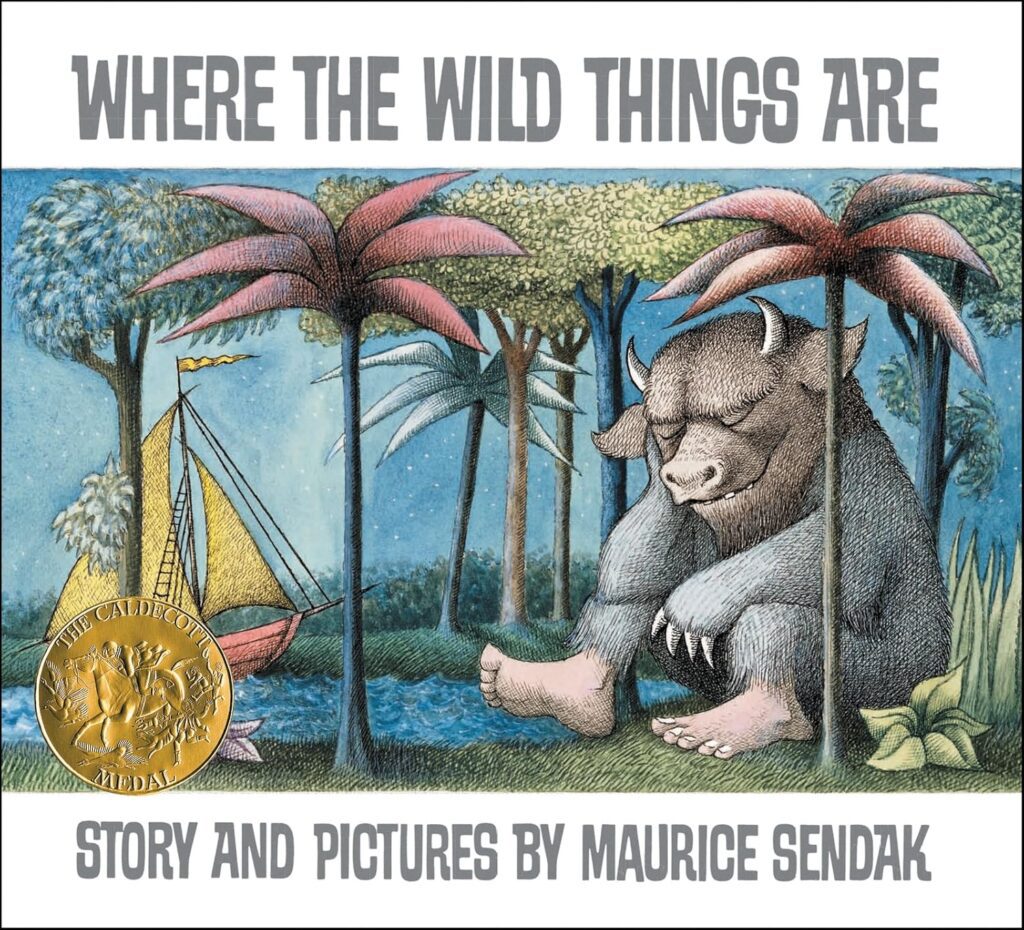
The American author among famous illustrators around the world, Maurice Bernard Sendak, is a very popular name in the children’s book publishing world. One of his timeless creations is ‘Where the Wild Things Are’.
With his playful and emotional illustration, he catches the wild imagination of a child seamlessly. You might get a magical creation of a story with pictures to convey feelings and show creatures. Maurice is highly popular for his detailed and bold style of illustrations, which depicts strong expressions.
He is always an inspiration to young illustrators who want to adapt their style of illustration and become famous in 2025.
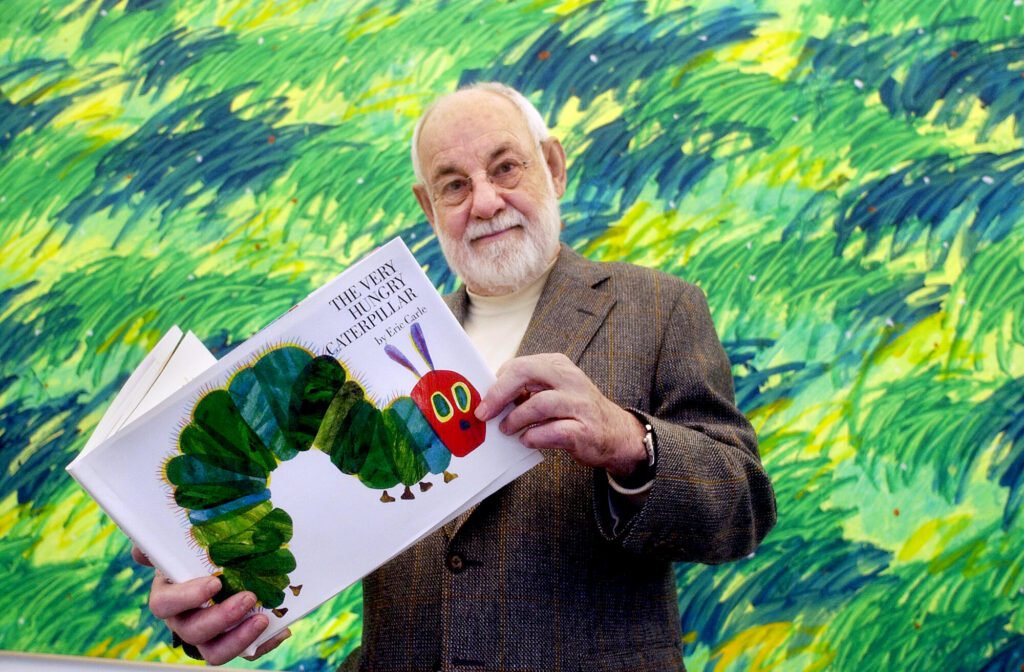
Another stunning example of a famous illustrator and designer whose works are highly praised is Eric Carle. This American-origin illustrator and author is renowned for his great work, ‘The Very Hungry Caterpillar.’
This iconic children’s book artist is highly popular for easy and unique artwork. His bright and colorful illustrations make his paintings capture the attention of young readers. He used hand-painted designs and textured papers to create his unique art, and this made him stand out as the most famous illustrator in America.
His books help kids to count numbers, days of the month, and days of the week, and know about healthy eating habits.
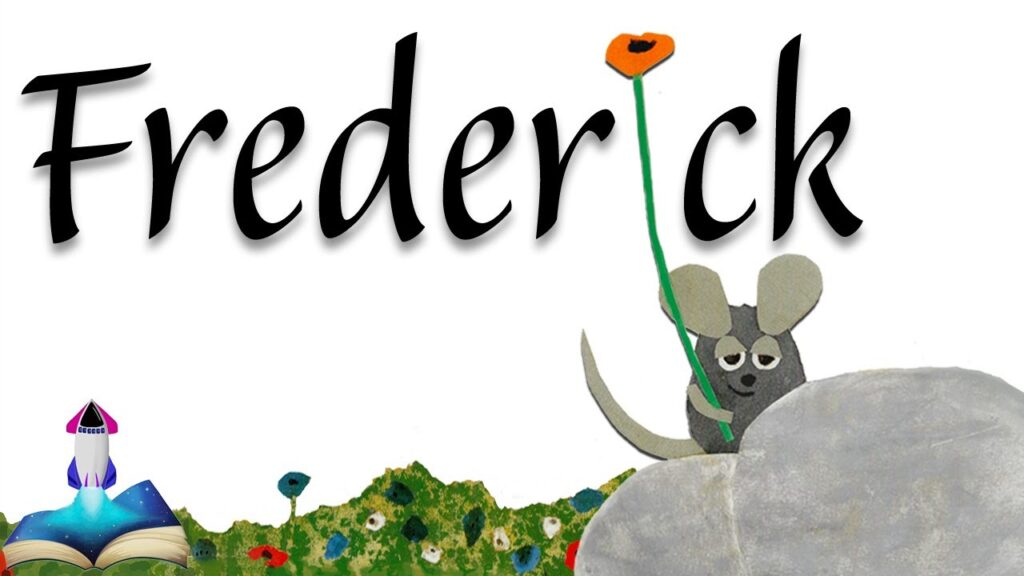
Leo Lionni is another great illustrator who is famous for his children’s book illustrations. More than 40 popular titles have been illustrated and authored by Lionni. His books are translated into multiple languages to make them easy for readers of different linguistic backgrounds to understand.
His popular illustration style symbolizes rich textures, hues, vibrant colors, tones, different shapes, and collages. The timeless creation of Lionni is ‘Frederick,’ which reflects the life of a poetic mouse. Through the use of animals and nature together, Lionni conveys big life messages to his readers.
Illustrators of these days should admire this blend of illustrations in this competitive landscape of 2025.
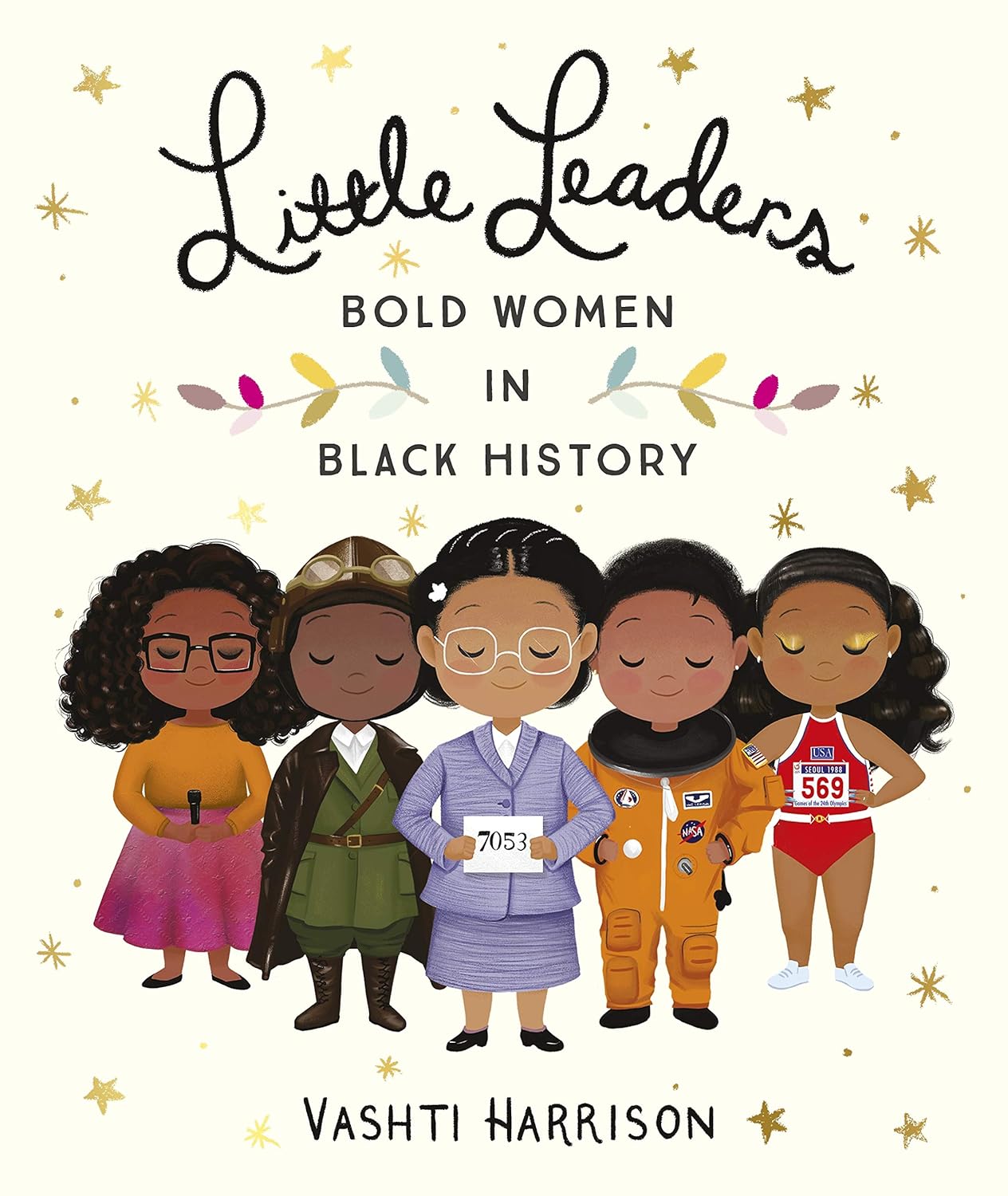
Another modern and famous illustrator is Vashti Harrison and her most praised work is ‘Little Leaders: Bold Women in Black History.’ This has become highly popular among readers due to the tales and illustrations of the world’s most outstanding leaders in a vibrant and catchy manner.
This multi-talented illustrator celebrates the success of 40 history-changing African American women in a more accessible illustration style. She makes use of pastel colors and smooth lines to make those tiny characters and inspire young readers.
Vashti’s work is an excellent example of teaching kids about the importance of history in a more catchy and engaging way.
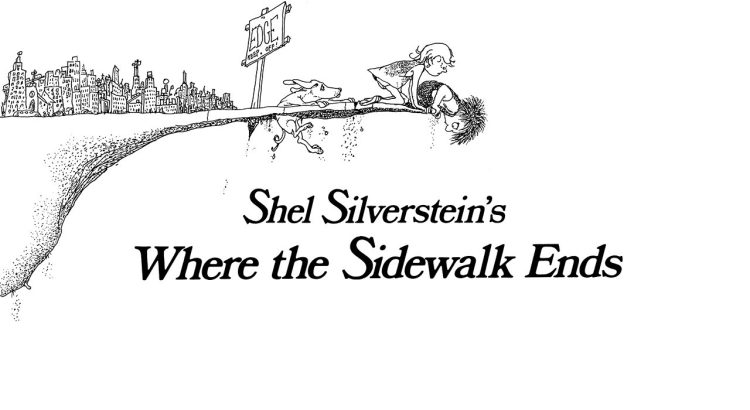
Shel Silverstein’s timeless themes and bold brand humor have made him popular among children and adults across the world. He is famous for his remarkable illustrations in ‘Where the Sidewalk Ends’ and ‘The Giving Tree.’ Silverstein only makes black-and-white illustrations that reflect deep emotions.
This helps children to connect easily with the story. He won popular awards, including the Oscar nomination and the Grammy Award, and this has proven his excellence. One can simply get motivated by his bold black-and-white illustrations in 2025.
Check out Ananta Mohanta’s portfolio for more extraordinary illustrations that help children’s picture books capture young minds!
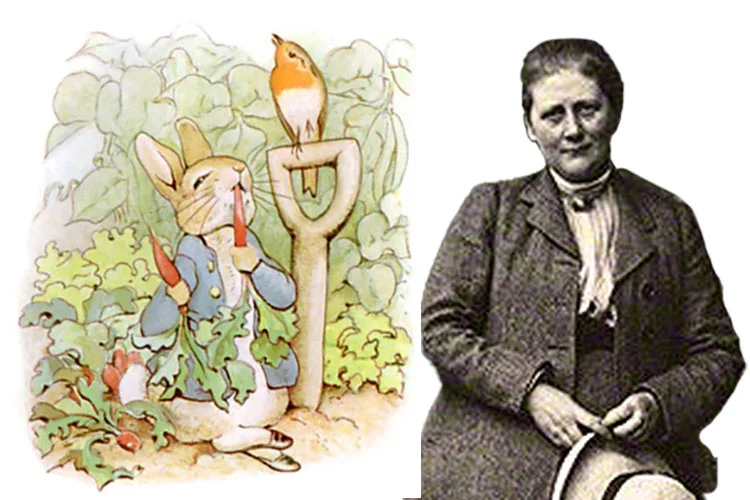
Beatrix Potter is one of the excellent and popular illustrators in the late 19s. Her most astonishing creation is ‘The Tale of Peter Rabbit,’ the most loved book by children, and they are based on her pet rabbits. Some other popular works of Potter are ‘The Tale of Jemima Puddle-Duck,’ ‘The Tale of Tom Kitten,’ ‘The Tale of Mr. Jeremy Fisher,’ and more!
Children who are below five mostly enjoy her work, and she wins to capture their attention perfectly. Her detailed illustrations show a stunning storytelling capacity, which makes all her works classic.
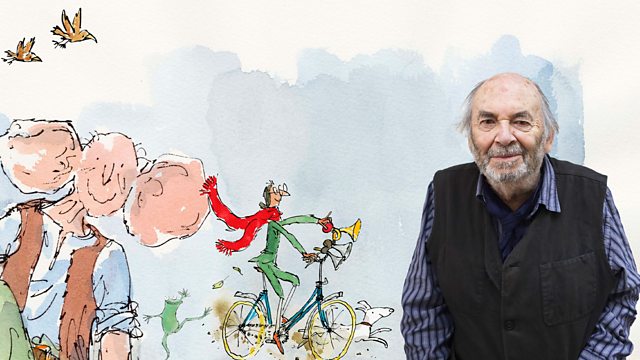
Quentin Blake is a British cartoonist and famous illustrator who started his book illustration journey at a very young age. He published his first work in Punch Magazine. Some of his most excellent illustrations are Scary Banner, Pantomime Unicorm, and Feline Friends.
He has created a history of illustrating 300+ books, and most of them are very popular among young readers. ‘Matilda,’ written by Ronald Dahl, is one of his timeless creations that captures the attention of children.
If you are up to getting inspiration for your artwork, then Blake’s remarkable artwork should be at the top of your list.
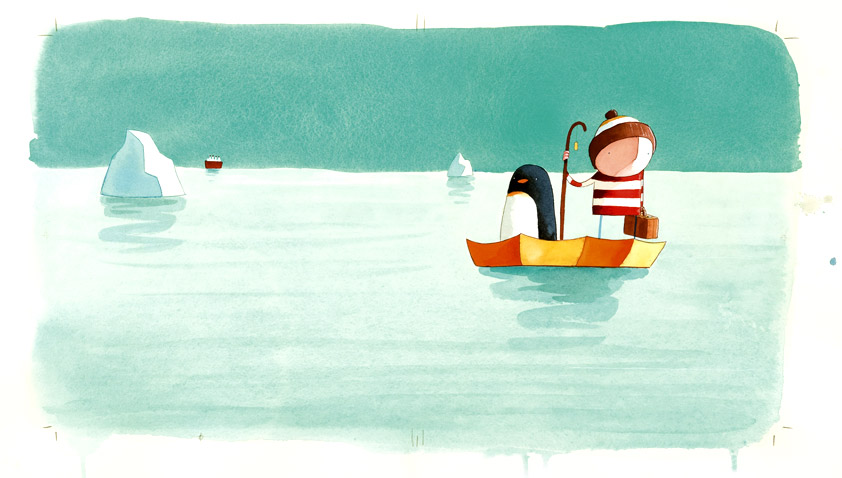
Oliver Jeffers is an Australian-origin illustrator who is popular for his unique illustrations, paintings, sculptures, and book marketing. His popular books are ‘Lost and Found and ‘How to Catch a Star.’ The use of soft hues and shapes has made Jeffers create scenes that are humorous and emotional.
Oliver Jeffers is famous for his excellent illustrations ‘Before My Time,’ ‘Fathom Painting No. 1’, ‘The Substitute Window,’ and more!
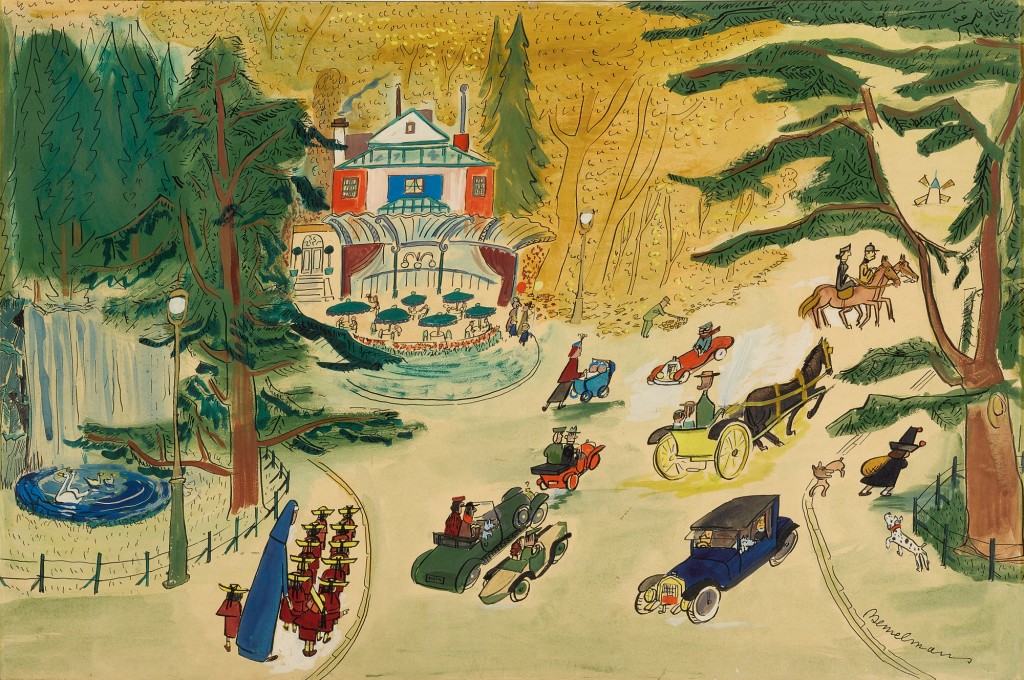
Ludwig Bemelmans is famous for his timeless creation ‘Madeline,’ the emotional story of a brave little girl who lives in Paris. His drawings are vibrant and moving, with bold lines and appealing hues. He adds a comical touch when illustrating real-life scenes. Young readers love the simple, attractive characters and exciting city scenes.
His illustrations still seem remarkable and inspiring, even in 2025. He highlighted the joy of daily life in an exciting and childlike manner. People who have an interest in traveling must enjoy the artworks by Ludwig Bemelmans.
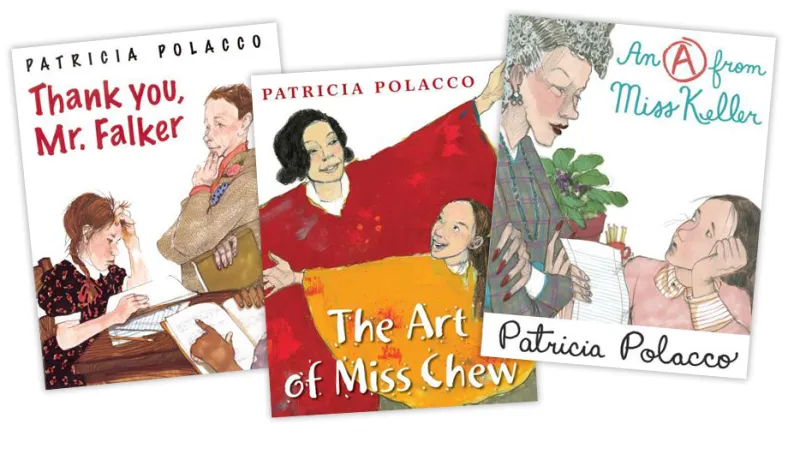
Another prominent name in the world of famous illustrators is Patricia Polacco, and she is praised for her extraordinary work in ‘Thank You, Mr. Falker’. She created history by illustrating more than 100 books.
She used pen, ink, or graphite to make catchy and unique illustrations. She is also famous for using muted colors in her works, and she makes use of vibrant colors to highlight vital subjects in a scene.
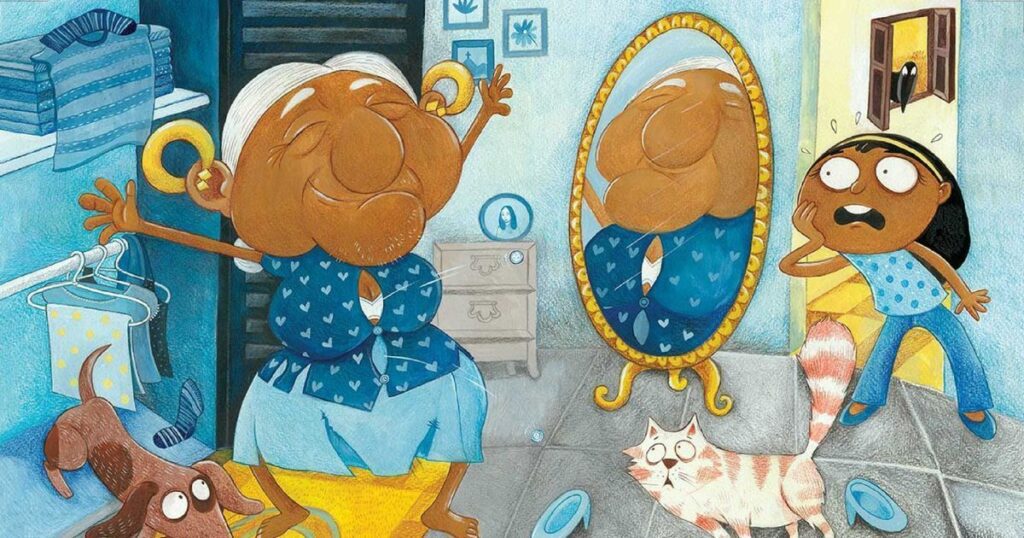
Priya Kurian is one of the famous Indian-origin illustrators and artists who is popular for her remarkable work in ‘Ammachi’s Glasses. This comic book writer won the Big Little Book Award in 2019. More than 100 books are illustrated by her, and she has also illustrated for prominent authors such as Manu S. Pillai, Jerry Pinto, Meera Nair, and Ruskin Bond.
Her other novel works include ‘Drawing the Line: Indian Women Fight Back’ and ‘Poonachi: Lost in the Forest.’ She creates visual moments with her unique style, and this makes an emotional connection between young readers and the story.
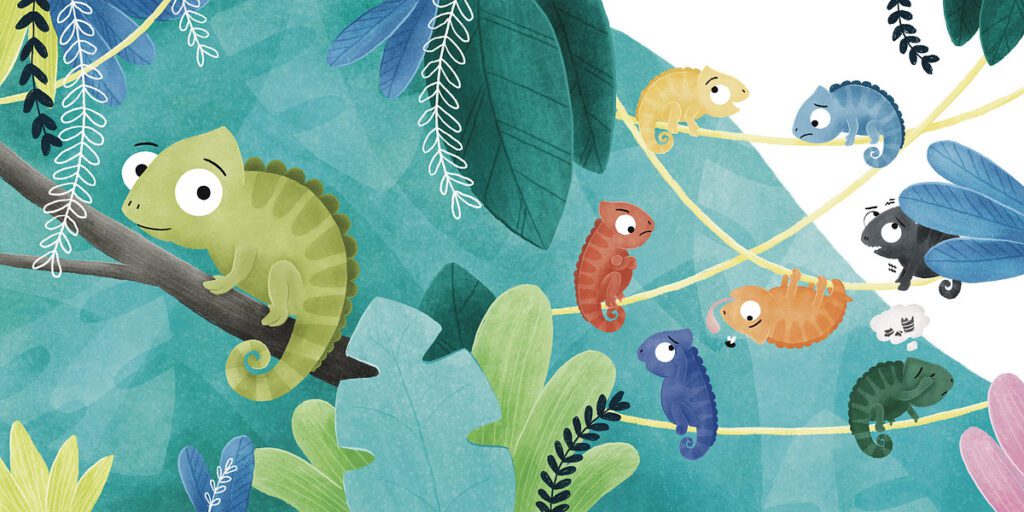
Amanda Letcher is a freelance illustrator best known for her unique and dreamy illustrations of people, animals, things, and nature. Magical and gentle worlds filled with exciting elements are her best styles. She makes use of pastel hues, soft colors, and moving shapes that raise curiosity among young minds.
Her stunning illustration style continues to capture the attention of young readers, making her a great example which new illustrators should take inspiration from.
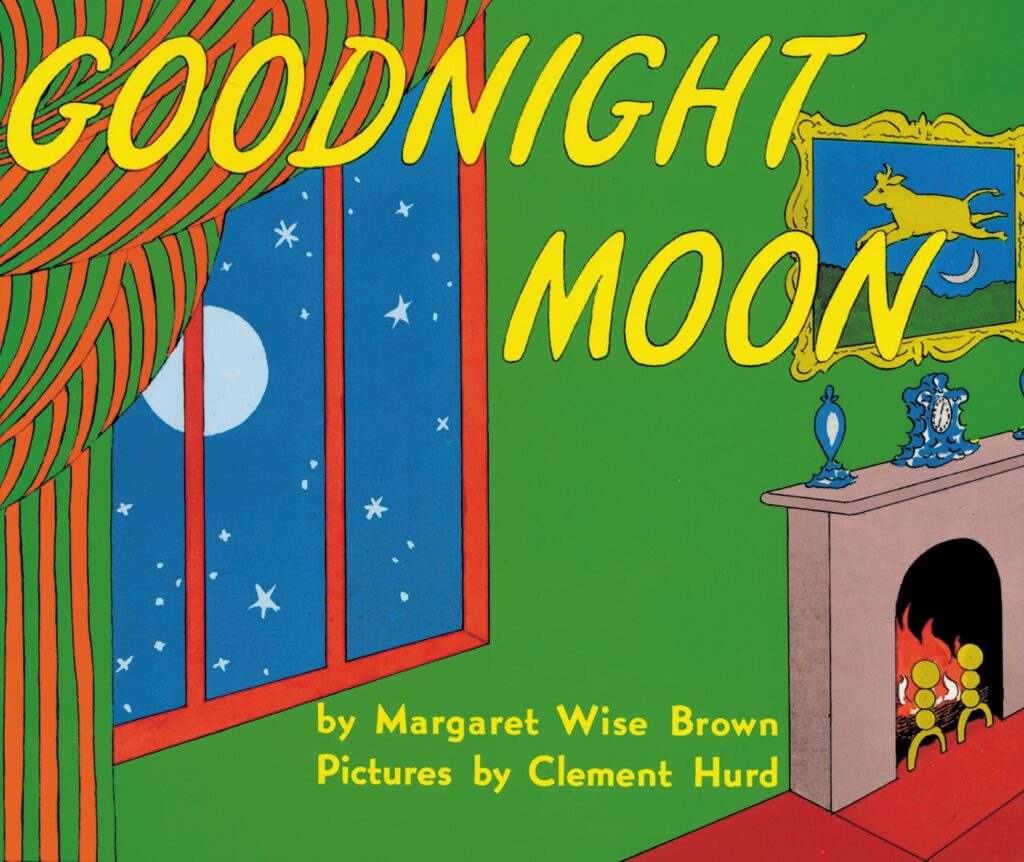
Clement is a famous illustrator for his artwork on the classic ‘Goodnight Moon.’ She has illustrated the books in a straightforward yet attention-grabbing way. From using vibrant and bright colors to simple shapes, Hurd makes bedtime stories extremely catchy and cozy for kids.
Almost 100 books are illustrated by Hurd, and some great works include, ‘The Runaway Bunny,’ ‘My World,’ ‘Run Run Run,’ ‘Hurry Hurry,’ and more!
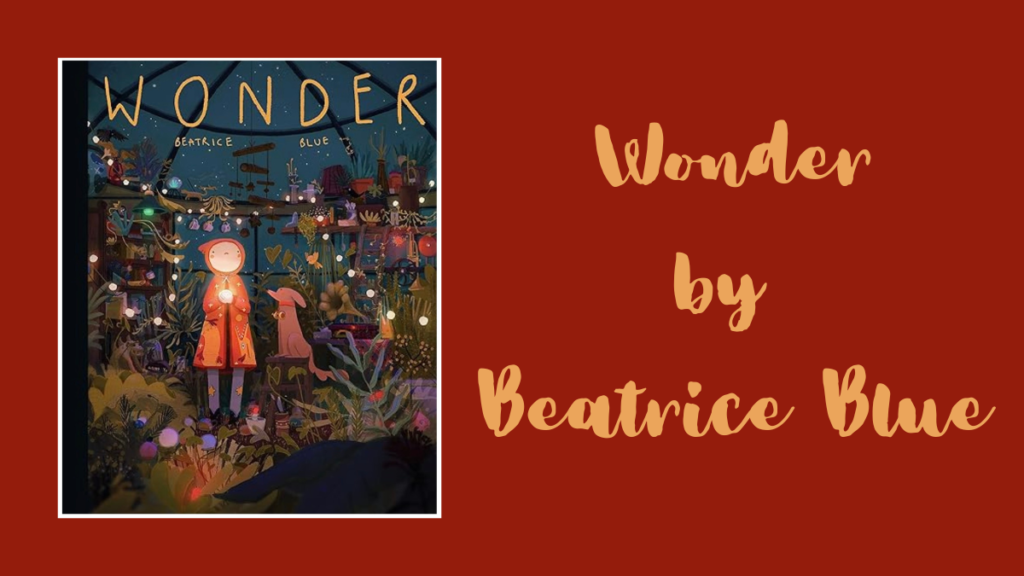
If you want to know about a rising illustrator who has been dominating the world of illustrations in 2025, Beatrice Blue is the name you should think of. Her famous illustration is in the book ‘Once Upon a Unicorn Horn,’ which is full of bright and vibrant colors and attractive character illustrations. Her other popular works include ‘The Sun Room,’ ‘Wonder,’ ‘Once Upon a Mermaid’s Tail,’ and more!
Young readers love to engage with her illustrations, as they are cute and dreamlike creations. She must be the top choice to get inspiration for catchy and brilliant illustrations in 2025.
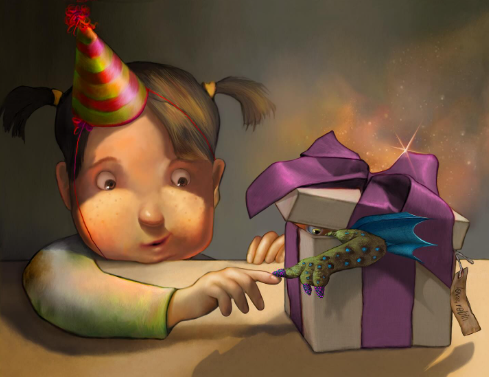
If you are searching for a nature-themed illustrator, then Zebo Ludvicek must be your prime pick. His stunning use of humor featuring wilderness scenes and animals has made him the most popular choice for children. He makes cartoonish illustrations of realistic themes.
Young readers are often engrossed by his national art, and this encourages their curiosity to understand nature and the world around them. Zebo’s artworks are rocking the world of illustrations due to their fun and informative touch, and this is the primary reason they are highly praised in 2025.
In summary, the above-mentioned famous illustrators have brought life to mundane stories by adding their unique artworks.
Hoping, I have illustrated all the great and famous illustrators above with their outstanding works. If you follow their artworks in 2025, you can capture the attention of both young readers and creators. These illustrations keep the excitement and joy of learning.
If you are interested in making Children’s book illustrations or you are a book publisher, then you can go to Anantaart.com and connect with Ananta Mohanta and check his remarkable illustrations that make kids love reading books.
Happy reading.
Want to create magical characters to grab the attention of young minds? Don’t know how to bring life to children’s picture books? Making illustrations for children’s picture books is exciting!
To make children’s books more interesting, you need to know the right steps, make appealing illustrations that are bright, vibrant, and filled with emotions.
In this article, I will highlight the topic ‘how to illustrate children’s picture books’ in a straightforward yet detailed manner. I will also state their advantages and key tips and tricks for improvement below.
Eventually, you will get an in-depth idea of how to plan, draw, design, create characters, choose layouts, and choose your best illustrations by the end of this blog post. With the right illustration tips and tricks, you can make highly effective and funny picture illustrations that bring life to boring stories!
Let’s begin by digging into the idea of children’s picture books first.
Children’s picture books refer to those special storybooks that are made especially for young children for making their reading journey memorable and enjoyable. These books make use of clear words and bright illustrations to convey a story. These picture books are typically short and simple to comprehend.
Pictures are an essential element in books. These visual elements help you define the story and keep young minds interested. Some even convey the entire story with pictures; there are no texts.
Children’s picture books help children boost their memory, vocabulary, and comprehension of emotions. The creativity and imagination of a child will grow eventually.
Parents, teachers, and caregivers often read them to their young kids. Bedtime stories and classroom sessions are even made enjoyable and entertaining with these.
On summary, these specific types of books make learning interesting and engaging while letting kids grow their imagination as well as creativity.
Visit Anantaart.com to get professionally built visual illustrations that help your children’s picture book capture young readers!
There are some significant advantages of Children’s picture books that you must have an idea of. If you run a publishing company or are an author, you must know such benefits.
Below, I have shed some light on those benefits in simple terms. Let’s get going.
Boosts Imagination: A young mind is inspired by bright illustrations and funny stories. Kids start to make imaginations. They imagine new ideas. As an outcome, their ideas become more innovative and free-spirited.
Builds Emotional Understanding: Books with illustrations reflect more emotions, such as happiness, fun, excitement, sorrow, joy, fear, and anger. Kids will get an early idea of emotions. Character reactions and emotions are clear to them. This uplifts their emotional as well as social development.
Improves Early Vocabulary: Children’s books make it simpler for young readers to learn new vocabulary. They relate pictures to words. This helps in their better understanding of story meanings. It boosts their communication and reading skills at a very young age.
Enhanced Reading Skills: Picture books improve the process of reading. Kids explore and pick up words by integrating pictures. They begin to read alone with ease. It is a great starting place to start reading.
Improves Bonding Time: Great bonding moments occur between parents and kids when they study together. It makes a great bond. Young readers feel safe and cherished. In addition to this, it converts reading into an entertaining and cheerful social activity.
Increases Love for Reading: Kids love books due to their engaging narratives and appealing illustrations. This early joy builds into a love for book reading. They love to read more and start choosing books by themselves.
In this section, I have tried to illustrate all the essential steps to illustrate children’s picture books in an easy yet straightforward manner. Picture book illustrations demand careful planning, sketching, layouting, background designing, final design selecting, and a clear understanding of narratives with the application of appealing illustrations or images.
If you want to start your storybook illustration journey today, this step-by-step guide will help you bring life to your creative stories.
Kick-start the journey by reading the story and understanding it better. Get the story plot, feelings, and different characters. You must visualize the scene in your mind. Analyze the vibe, whether it is exciting, joyful, or calm.
This helps in making better sketching plans. Your illustrated pictures will get more significance the more you understand the storyline.
Take the necessary time to start. An Outstanding picture book begins with an in-depth idea of the narrative.
Try breaking the narrative down into different pages. Children’s picture books generally contain 20 to 30 pages. Put separate events or sentences on individual pages. This keeps the smooth flow of the story.
To keep young minds interested, place the most exciting part of the story in page-turning sections. Each page must define a different scene. This helps in both picture and text planning.
The book is funny and easily comprehensible, while the pages are correctly arranged.
Then, continue making a rough plan for your picture book for young readers. Make use of clear and easy drawings to display what will be happening on every page. This is known as a storyboard.
Making a perfect and polished storyboard is not essential. Just point out the places of action, texts, and characters. This makes it simpler to get a complete idea of what the book contains at once.
In addition to this, problems can also be solved easily. This stage helps you keep your stories simple by saving valuable time and effort.
In the next step, you have to sketch the main characters. Try creating multiple faces and styles. You need to brainstorm the unique looks, their appearance, and how they exhibit emotions.
Ensure all the looks of these characters remain the same on each drawing. They help you manage the consistency of the children’s picture books. Try to draw them in multiple actions and wear different clothes.
Funny and straightforward characters bring life to stories. For kids, keep the illustrations simple, clean, and appealing.
The next step is to plan the complete layout of the page. Set the separate layouts for separate pages. Choose places for images or texts. Think of how eyes move over the pages and focus more on that.
Do not lose the focus of the prime action. Don’t cover the pictures or illustrations to leave space for the wording. Try experimenting with different layouts until one catches your eye. A well-illustrated page is relaxing to look at and simple to read.
It also boosts the storytelling.
The next step is to pick a specific color scheme for your narrative to make it appealing and engaging for children. Pick a set of different colors that best fit your story. Vibrant colors are best for funny stories and excitement-building.
Soft color fits best with calm and gentle stories. Try to use 3 to 5 primary colors. The book will look clearer and professional due to this color scheme. Ensure that the colors are perfect for each mood and emotion.
A dynamic color scheme makes the illustrations more appealing, exciting, and simple to enjoy.
Start focusing on the work completed so far. Try using bright colors and clean lines. You can make hand drawings or use digital applications. Make sure that every page has a similar style.
Add details to make scenes catchy and attention-grabbing without making them over-congested. Focus on lighting, depth, and background.
Your primary focus should be on creating illustrations or pictures that are simple, clean, and appealing. Once you are done, check if the illustrations resonate with your storyline. Put your best into creating final illustrations for children’s picture books, only to see whether kids will like them.
The story text must be placed immediately. Pick a specific font that is clear and easily readable. Important parts of your illustration must not be covered by the story text. Place it where the background looks simple. For kids, ensure the font size is perfect.
Ensure every page has a consistent text layout. Ensure that your handlettering is perfect and consistent. In order to ensure that all things fits perfectly, read the story with those appealing visual illustrations. Picture and text should complement each another. Both of them need to convey the story in an appealing and engaging manner.
This stage is your final one. Analyze the page carefully and find out if there are any mistakes in color schemes, texts, and sketches. Check carefully if the main character, along with others, remains the same throughout the narrative.
Ensure the story remains consistent from the beginning to the end. Ask for feedback. Sometimes, even a tiny mistake will catch the eye of the person giving feedback. Do adjustments or alterations if needed.
Once it looks perfect, print the copy or share it digitally. Hurrah! You have just finished making a children’s picture book. It’s time to sell by making kids enjoy reading.
There are some practical tricks and tips that an illustrator should remember. I have tried to highlight some of them in the section below.
Improve your Children’s picture book illustrations by using the tips and tricks below;
Draw simple expressions: Ensure the faces of all characters reflect emotions and feelings. It should be concise and easy to see what the characters feel, whether they are sad, happy, or angry.
Fewer texts help kids understand emotions and boost their understanding of the story.
Highlight actions and movements: Display moving characters such as running, jumping, and laughing to make them more lively. Actions and movement keep young readers engaged and give thrills to the pages. It offers life and energy to the narrative.
Use large and simple shapes: Try to avoid adding so many small details. Start using large and clean shapes so that kids can easily perceive and enjoy them. For children, clean pictures are highly entertaining and simpler to decode.
Keep it funny and colorful: Try using bright and vibrant color schemes. Kids love bright and happy colors. Make every page breathtaking. Colors must capture the attention of kids instantly and resonate perfectly with the tone of the story.
Leave a space for text: Always decide where you wish the text to be placed. Avoid making a drawing over a space. Make it simple for kids to understand and read so they don’t get confused by visual illustrations.
Making illustrations for Children’s picture books is a creative and exciting journey. It needs proper planning, time, and a passion for storytelling. Every stage guides you to bring life to boring stories so young readers can enjoy and have fun.
From understanding the gist of the story to making final designs, each section is important. Always keep your illustrations clear, bright, simple, and filled with emotions. Try to think like an innovative and lively kid.
I hope that I have depicted the step-by-step guide on illustrating children’s picture books in the above. I have also mentioned some essential tips and tricks for children’s picture book illustrations for higher engagement of young readers.
If you are interested in bookmaking or running a book publishing company, then you can contact Ananta Mohanta at Anantaart.com and check out the extraordinary illustrations that make children love reading storybooks.
Happy reading.
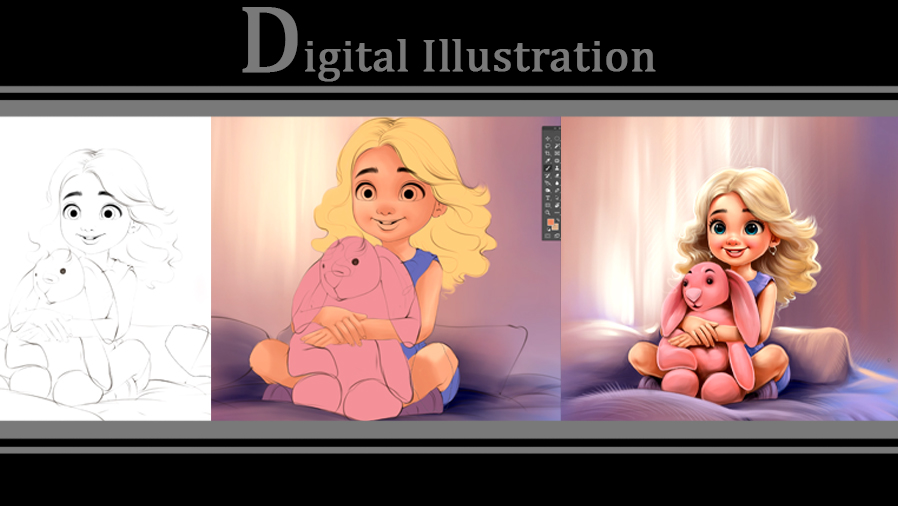
Thinking about how digital illustration is evolving rapidly in 2025? Feeling stuck by all the trending software, trends, and tools? Don’t know where to start and thrive as a digital illustrator?
Digital illustration is rapidly transforming, as is the AI technology. Don’t be worried! This complete guide will help you through your career.
You will find the complete step-by-step guide to digital illustration in this article. This can offer you a comprehensive idea of digital illustration along with its importance, trending styles, most-used tools, and the future of digital illustration.
You will be filled with a constructive idea of digital illustration by the end of this article. This blog post will help you throughout your digital illustration journey and keep you industry-ready.
Let’s get updated with the trending digital illustration styles and thrive in 2025!
Digital illustration is the most significant part of the design process, as the majority of brands use well-illustrated logos to showcase their unique products or services and, moreover, their brand identity.
Digital illustration refers to the creation of catchy artwork with the help of smart devices such as a computer, phone, or tablet. Rather than just drawing on paper, you can make sketches on a digital screen.
Some stunning apps such as Adobe Illustrator, Photoshop, Adobe Fresco, and Procreate are used. If you want a pencil-like drawing, a digital pen or a Stylus would help.
There is a vast difference between traditional and digital art. Traditional one uses paper, brushes, pens, and color paints, while digital illustration uses digital screens, AI-powered tools, or software.
These illustrations are simple to modify, and you can undo errors and add new layers and colors to your digital art. It is time-saving and cost-effective. Most artists pick digital illustration over traditional art as it is flexible and straightforward to share.
Digital illustration is more evolving and trending than ever! Brands, authors, and creators use different types of digital illustrations to engage more with audiences visually and funnily.
With the application of proper digital art, things will be highly appealing, engaging, and simple to comprehend.
Versatility: Digital illustrations are widely applied for various media, such as advertisements, websites, games, and publications. You can create anything in any style, layout, or size. This is perfect for both critical business needs and entertaining art.
High demand for books, gaming, and advertising: These days, books for young readers, smartphone games, and digital ads all consist of illustrations. To capture and keep the audience interested, these industries need new and more appealing visuals.
Simple to access: A smart device like a desktop or tablet and an app such as Procreate is all that an illustrator needs. Anyone can start drawing at their own pace using free online resources.
Better emotional engagement: Stunning art triggers strong emotions in audiences. With the application of different expressions, colors, styles, and layouts, you can tell different stories, illustrate emotions, and boost the lasting impression of messages.
Boosts design aesthetics: Designs look catchy, modern, and unique when illustrated well. They provide attractiveness and help in capturing the attention of audiences quickly, whether on a website or products.
Builds brand identity: A unique digital illustration style boosts a brand. It promotes fast brand recognition and improves people’s loyalty and trust in the brand’s message and image.
Improved reader persuasion: Illustrations help people capture ideas more easily. By making the information more straightforward to comprehend and more friendly, digital illustrations help audiences access, define, and engage.
To begin your first digital art is not easy, and it can confuse you many times. But stop worrying! This can feel like a cakewalk if you follow the below-mentioned simple steps.
You can make stunning and visually appealing digital illustrations from scratch with the right tool, a pen, and a detailed plan.
Let’s get to know the detailed steps to create a vibrant and appealing digital illustration below;
If you are about to begin your digital art journey, picking the right tool or software is the first and foremost step. There are some popular tools available in the market that ease the journey of an illustrator with the help of modern technologies or AI integrations.
Adobe Fresco works well on computers or tablets, while Procreate is best for iPad users. Another popular one is Clip Studio Paint. Choose the one that matches your needs without breaking the bank.
Try out the free version of each tool and then choose accordingly. Try the layers and different types of brushes for a different experience. Know how to use those tools before starting to make a drawing. An excellent tool makes this illustration creation process simple and enjoyable.
The next step is to start drawing. Draw your unique ideas with the help of a pencil brush. Make use of basic outlines, layouts, and shapes. Focus on design making, not on perfection. This is your clear and detailed beginner’s guide.
You can start making drawings of basic elements such as animals, humans, and other catchy objects. First, make it clear and catchy. You can undo the drawings if you make any mistakes. Drawings help you build a clear concept.
You can proceed to the next step once you have completed the sketch.
The next step is to create different layers for your unique drawings. One primary instance is that one layer is added to the background, one layer is added to the skin, and one layer is added to the apparel. Layers allow you to work simply without mixing multiple layers.
One layer can be moved, edited, or corrected without causing any damage to the others. This helps you save valuable time and make clear designs. Try to name different layers to avoid misunderstanding. One of the essential aspects of digital illustration is its ability to use multiple layers.
The following step is to choose bright and catchy colors that represent your unique theme and style. Try creating your unique color palette. Make use of a flat brush to fill colors in different layers. Add highlights or shadows after adding base colors.
Take your time and make designs easily. Color tiny parts by zooming in, and you can even undo or ease parts if you make any mistakes. Digital illustrations make the coloring process enjoyable and straightforward. It also helps you make your drawing look bright and funny.
Once you have finished coloring your drawings, delete or hide the layers of sketches. This makes your illustrations cleaner and simpler. You can now view the colored sections of your drawings.
Removing or erasing lines makes your sketch a polished and professional one. This simple step can make a huge difference and offer a clean look to your digital illustrations.
You can now include tiny yet catchy details in your design to make it appealing. Draw small patterns or textures on the background or clothes.
Add highlights to eyes and even hair to create extra appeal. Remove or fix any additional gaps. Make use of light effects to showcase custom styles.
Once the art is complete, you can save a high-quality file in formats like JPEG and PNG. Start social media sharing and store a backup. Practice more to create perfect design illustrations and be more creative.
The career in digital illustration has started, and there’s a lot to explore!
The digital illustration industry is transforming more quickly than ever before. Illustrators make use of soft textures, bold lines, motion graphics, and more.
Such popular trends make digital art entertaining, captivating, and connecting. Let’s get to know those trending styles below;
Animated Illustrations: These dynamic drawings have movement. They employ simple motion to bring life to events and characters. They make social media and website content engaging. With little animation like waving or blinking, this art can add excitement and joy.
Children’s Book Trends: Children’s books nowadays consist of different characters, bold lines, and bright colors. Storytelling and making connections are the prime focus. Traditional and digital art are combined here.
They foster a sense of curiosity in children, and they feel a strong emotional connection with the story.
If you want to create vibrant and colorful digital illustrations for young readers, then Anantaart.com is your prime choice to capture children and engage them highly.
3D Art: 3D art is another phenomenal artwork that is creating hype over digital platforms these days. They appear like objects are coming out of the screen. It offers higher authenticity and richness.
This style is very popular among advertisements, games, and apps. It catches the attention of audiences really quickly and offers a simple yet modern look.
Tactile and Textured Looks: Due to the soft and rough look of these digital illustrations, they feel ‘touchable.’ Digital brushes are employed by illustrators to add textures to paper, paint, or fabric. It offers the artwork a familiar, handmade vibe. Digital illustrations get warmth and appeal from this trending style.
Flat Illustrations: Simple and easy shapes are used in Flat illustrations. They don’t use any shadows. It is contemporary, clear, and simple to comprehend. This is very popular among apps and websites.
Due to its fast loading speed, it is perfect for digital screens. These are the most used due to their friendly and straightforward feature.
If you plan to start your professional career in the digital illustration industry in 2025, you need appropriate tools or software. In this highly demanding and competitive digital world, different options are beginner-friendly and simple to apply.
You can create a stunning digital illustration right at your own pace using very few elements.
They all provide different brushes, layouts, colors, and effects. Some have paid pricing plans, and some are open-source and free. These tools help an illustrator make drawings, fill colors, and modify them as per requirements.
Digital illustration has become very popular, and you can see it everywhere! These dynamic illustration trends are predicting the future of the illustration industry and related industries such as the advertising industry, the book publishing industry, entertainment, and social media.
Being a digital illustrator or an art enthusiast, you must follow this complete guide to start your journey in this highly popular digital illustration industry.
I hope I have covered all the essential topics to comprehend digital illustration in this blog post above. From stating the concept in detail to a step-by-step guide to creating a digital illustration, along with its benefits has been mentioned. I have included trending digital illustration styles and some must-have tools in the sections above.
If you want to make visually appealing and engaging digital art for children or Children’s book publishing, just get in touch with Anantaart.com and create stunning and vibrant illustrations to grab the attention of young readers.
Have you ever thought of how Children’s books are so exciting and appealing these days? Illustration trends are transforming more rapidly than ever! Catchy colors, styles, and ideas make a page visually appealing.
Being an illustrator, author, or publisher, you must have in-depth knowledge of these changing trends. Young readers connect easily with vibrant images, and the proper illustration can do the cakewalk!
This is the reason why book illustration trends are so important in 2025!
In this blog post, I will cover 12 exclusive trends in Children’s book illustration to keep you active and updated in this quickly changing book publishing industry. I will also shed light on the concept of book illustration below.
By the end of this article, you will have a complete idea of the latest trends in book illustration. This will guide you throughout your book illustration journey and keep you updated. You can always keep yourself updated with the latest trends and practices of illustration to stay on top.
Let’s dive into the popular Children’s book illustration first!
Children’s book illustration is a type of graphic or illustration that conveys the narrative of a book. Young readers can better understand the story due to these catchy pictures. Illustrators add vibrant colors, thrills, and emotion to the book.
Kids can not read long sentences; that is why illustrations are the best for them to have a clear understanding of what is happening in the story! Moreover, well-illustrated images express emotions, behaviors, and even insights.
Based on the narrative, the plot might be entertaining, soft, serious, or even bright. At times, the pictures even express a significant part of the story without using any words. To leave a long-lasting impression on kids, illustrations play an important role!
Beatrice Alemagna’s “A Lion in Paris” is a prime example, as the catchy illustrations accurately show the animal’s experience.
The Children’s book publishing industry is rapidly growing and transforming. You will get to see a range of book illustration trends, starting from AI-integrated illustrations, comic book art, and doodle art to interactive books, character-centric illustrations, and more!
If your story doesn’t follow these book illustration trends, there might be a chance that you lose your potential young readers!
Let’s find out each trend and think about how you can benefit from such art themes in your illustrative way.
Simple colors and lines are the main elements of the minimalistic art style. Any extra detail that lies in the art is removed. This specific book illustration style is trending in the book publishing industry due to its simplicity and easy-to-comprehend manner.
It helps young readers to focus more on emotions and the storyline. Its modern look captures the attention of parents, too. This art style also goes well with screens, hence this is best for digital books. This art style is very popular due to its modern and straightforward illustrations.
One popular example of this is Cori Doerrfeld’s “The Rabbit Listened.”
AI tools play a crucial role in illustration. AI is used these days to make AI-integrated images. They provide unique styles and create illustrations in just a few seconds. Due to its unlimited creativity and time-saving nature, this trend is creating a buzz in the Children’s book industry.
AI can mix textures, different hues, and ideas that a human illustrator may not even think of. The majority of indie illustrators are picking this style due to its quick graphic making and cost-effectiveness.
One most popular instances is Ammaar Reshi’s AI-illustrated “Alice and Sparkle,” which owns the hearts of millions of children.
Actionable frames, bold lines, vibrant colors, speech bubbles, and panel layouts are the most significant features of a comic book illustration. It brings excitement and interpretation to stories. Kids love to see lively visual storytelling, and this makes comic book art a popular one among other book illustration trends of 2025.
Comic art makes use of catchy pictures to help children understand stories or big paragraphs. They also add excitement to learning. Many educational institutions are using comic books to engage children in reading and increase their reading habits.
Dav Pilkey’s “Dog Man” is one of the great examples of comic book illustration. This is popular for its blend of brilliant comic art and humor.
Doodle art is a type of illustration that comes with messy sketches with playful drawings. This art creation is full of excitement, fun, and free energy. This illustration style is very popular among kids, and they think they can easily make doodles by themselves. This increases the relevancy of the book and builds an emotional connection with the children.
Moreover, Doodle art breaks the traditional illustration norms, fostering originality. Parents and educators prefer this highly as it boosts imagination and creativity in children.
One great example of doodle art illustration is Mike Lowery’s “The Doodle Adventures.” This offers magical doodles with an exciting story that captures the attention of young readers.
Bright hues, unique shapes, and unusual patterns are all essential elements of colorful abstract art. Real-life rules are not followed by this type of illustration. It is trending as it captures the attention real quickly.
Stories feel dreamy and mysterious as they are portrayed in colorful abstract art. Letting kids imagine without any restrictions also boosts their creative thinking. Abstract illustrations are also an excellent fit for digital books due to their easy, screen-fit nature.
One popular and excellent colorful abstract illustration example is Jillian Tamaki’s “They Say Blue.” It reflects the usage of abstract art forms, hues, and colors.
Cartoon and comic style is another popular trend in book illustration that engages children in funny, playful, and dramatic stories. Funny expressions, bold lines, large eyes, and bright colors are all common features of such kind of art.
This trend is rapidly increasing as it brings life and emotions to narratives. Young audiences immediately connect to the cartoon and funny characters of the stories. This type of illustration trend is best for quick and humorous storytelling.
Early readers and adults are the prime choice for book publishers when they are publishing children’s books containing this specific illustration style.
An excellent illustration of a cartoon and comic is Ben Clanton’s “Narwhal and Jelly.” It catches the attention of young readers by featuring a cartoon-style style cute sea animal.
Character-focused illustrations are currently at the top of children’s book illustration trends. This type of art mainly focuses on the adventures and emotions related to the main character.
The background is plain. Due to kids’ emotional connection with the main character, this illustration trend is booming. Young readers are more attracted to characters when they connect with them and want to know more about them.
Popular brands also develop games, TV shows, movies, cartoons, and toys around those characters. This illustration style makes it simpler for kids to know and relate to the story.
If you are looking for stunning character-centric illustrations, then Anantaart.com is your first choice to grab the attention of young readers!
If you are amazed by the creative works of illustrations and want more? The textured illustrations are for you! Textured art uses techniques like rough fur or smooth water to create an appearance that feels real to the touch!
Illustrators can use layers of different colors or even real items and brush strokes. This trend is currently trending as it adds depth and realism to your artwork. This grabs the attention of children with the use of vibrant hues and colors. Children love this art style due to their richness and detail orientation.
Moreover, textures boost higher engagement from kids, especially primary readers. They have a feeling that they have access to your page.
One stunning and popular example of textured illustration is Eric Carle’s “The Very Hungry Caterpillar,” which features different colorful illustrations.
Interactive books are currently on trend. This type of book illustration helps children to move, touch, or modify parts of the pages according to their mood and desire. There are different flaps, sliders, and textures to keep children interested.
Some use animated QR codes and even music to make it highly interactive. Due to the playfulness and exciting elements of additional nature, this type of book illustration is in high demand. Young readers are highly inspired and engaged in stories by this.
It is the most preferred choice of educators and teachers for early learners. In fine motor skills building, you can not find an alternative to this!
An outstanding example of an interactive book is Harve Tullet’s “Press Here.” Childrens need to tap the dots to make interactions happen on every page, and this keeps them highly engaged.
Another example of an interactive book is Bill Cotter’s “Don’t Push the Button,” which makes the reading experience enjoyable, playful, and lasting.
Surrealism or Surreal illustrations is another trending book illustration style that young readers are currently enjoying. Both the imaginary and real world are combined in this art. This is trending as it gives rise to deep thoughts and curiosity.
Surreal illustrations bring life to stories and make them more interesting. It helps children to boost their creativity and imagination, leading them to ask “what if” type of questions. Most of the authors use such illustrations to analyze emotions and essential concepts in a very innovative manner.
The book named “The Red Tree” by Shaun Tan is another outstanding pick for a surrealism illustration. Here, kids get to know how powerful emotions are represented through surreal art.
Eco-friendly themes are another dynamic one that is trending as people are becoming more environmentally conscious. This theme mainly focuses on animals, nature, and earth-saving. This illustration shows blue oceans, deep green forests, and clean air.
This specific trend is booming as it offers knowledge about the planet and Earth; thus, it is highly valued by educators and parents. This type of art is often created using recycled paper or eco-friendly materials.
Zoe Tucker’s “Greta and the Giants” is an excellent illustration example of eco-friendly art themes. It helps children take care of the environment they live in.
Hand-drawn art is another popular illustration form that offers an honest and raw feeling. It was not only developed by computers but also by hand using paper, pen, and pencil. This is trending due to its warm and personal touch.
For children, this hand-drawn and organic art is comforting. That’s the reason parents prefer this type of illustration over others.
One excellent example of hand-drawn and organic art illustrations is Matt de la Pena’s “Last Shop on Market Street.” All the hand-drawn illustrations are by Christian Robinson.
Nowadays, modern illustration trends are reflected everywhere! Know that these popular trends are just the future predictions of the book publishing industry. Some trends have been creating buzz in the market for a decade, and some fail to capture young readers!
As an illustrator or book publisher, you can follow these trends and make something visually catchy that leaves a mark on young readers for longer.
I hope that I have mentioned all the popular trends in Children’s book illustration above. I have also added some details about what book illustration is in unambiguous terms. I have also tried to mention some examples of different illustration trends above to boost your understanding.
If you are interested in making catchy illustrations for young readers or a book publisher, just connect to Anantaart.com and create visually attractive, colorful illustrations to capture young audiences.
Happy reading.
Do you love drawing and want to bring life to boring stories? But confused about how to convert your passion into a profession? Many famous children’s book illustrators feel frustrated here. Not knowing where to start is a serious issue!
But don’t worry! With the right step-by-step guide, you will thrive as a Children’s book illustrator. Just be more consistent with your artwork.
In this article, I will discuss how to become a Children’s Book Illustrator to keep kids engaged in a straightforward yet creative way. I will also mention the essential skills a book illustrator should have, along with the roles and responsibilities.
I will also mention some popular tools or software commonly used by illustrators to help those who want to start their career in book illustration.
You will get a complete knowledge of how to start, from installing the software and getting enrolled in a course to portfolio building and networking in this blog post. With the right illustration skills and knowledge, you can make visually attractive and engaging illustrations and make those boring designs lively.
Let’s begin by knowing about the book illustrator first!
A children’s book illustrator can draw pictures and illustrate for children’s books. These illustrations will offer you a catchy and engaging story. Illustrators make books funny and entertaining to read and comprehend.
Book illustrators work collaboratively with authors and book publishers. Most of the time, their drawings or illustrations are based on the creative narratives of authors. Sometimes, they even plan an entire storybook.
Different catchy illustration styles are used by illustrators. The most basic resources are pencils, fine liners, sketchbooks, paints, and advanced digital software. A book illustrator is responsible for bringing life to boring stories with the help of colorful and vibrant visuals.
All you need to know about the trending topics and preferences of kids is to be in first place in the book publishing world. Use vibrant colors, clear illustrations, and creative visuals.
If you are planning to start your career as a Children’s book illustrator, you must have some essential skills to get the attention of authors and book publishers.
Here, I have covered those major skills straightforwardly and straightforwardly. Let’s get to know them.
Visual Communication: As a book illustrator, you should know the proper use of visual elements to convey stories. Your illustrations must reflect your thoughts, actions, and emotions.
Children should comprehend the story even without reading. Strong visual communication helps to capture the attention of readers and makes them feel connected.
Graphic Design and Illustration: Know more about the basic elements, such as color, hue, balance, and layout in design. This gives your page a clean appearance.
If you know different illustration styles, you can easily match the tone of your story. It offers your artwork a more professional look.
Drawing Skills: You must be able to draw effectively. Practice illustrating actions and expressions more. This helps you to make illustrations lively. An excellent drawing skill helps you create engaging and entertaining stories for children.
Creative Thinking: You should have practical, creative thinking skills. Apply entertaining styles and trending ideas. Being creative makes it simpler to develop scenes and characters that kids are going to remember. It also offers exciting solutions to design issues.
Technical Drawing Skills: Having technical skills, such as familiarity with trending illustration tools or software, is essential. Know the editing and scanning process. These skills make it easier to prepare your illustrations for printing and publishing digital books.
Familiarity with the Book Publishing Industry: Know more about the distribution and publishing process of children’s books. Know more about printing rules, deadlines, and different formats. This makes it simpler for you to team up with authors or book publishers to meet their expectations for your artwork.
Problem-solving Skills: It can be challenging sometimes to create a layout or draw a scenario that is hard to understand. These should be fixed in the first place. Practical problem-solving skills can help you meet your deadlines and stay consistent on your illustration journey.
Team Collaboration: Book illustrators often collaborate with editors, writers, or art directors. You must take criticism naturally while sharing your unique ideas. Good collaboration helps you complete the book quickly without any hassle.
I have tried to cover the basic steps to becoming a Children’s Book Illustrator in the section below. Children’s book illustration requires you to be highly creative, organized, a planner, and a dynamic storyteller.
If you are planning to step into the Children’s book publishing world, the steps that I have mentioned below will guide you through your illustration journey. You will be able to bring life to different narratives and capture the attention of your readers.
Let’s get going.
You can start by researching more about the Children’s book market. Find out what styles and layouts are used mainly by publishers. Go to bookstores, online websites, and libraries to know what kids read.
Find out the bestselling books and note different art styles. Track the latest trends and color usage. Having a clear understanding of the industry will help you make illustrations that keep kids interested.
Install applications like Sketchbook, ProCreate, Adobe Illustrator, or Adobe Photoshop. You can make high-quality graphics with this advanced software. Explore different types of layouts, effects, and brushes.
Learn how to make vibrant and clear illustrations. The quality of your completed artwork is highly impacted by the software or tool you use. It offers your illustrations a clean, professional, and publication-ready finish.
You should think of joining a Graphic design or illustration degree program. Various online resources offer easy sessions. If you need more information, full-time degree programs are also there.
Getting illustration lessons from industry experts will give you helpful suggestions. You can build good working habits with the help of such courses or degree programs.
Don’t try to copy others’ works. Instead, try to build something unique, and that will be your style of illustration. Your unique style will make you stand out from the crowd. Pay attention to your unique style while drawing different characters, using vibrant colors and narratives.
Are you a publisher looking for unique illustration styles? Then, Anantaart.com is your top pick to engage young audiences more!
Practice daily, as it keeps your skills polished and makes you perfect! Enjoy sketching funny scenes, backgrounds, characters, and animals—practice illustrating different emotions and behaviors. The more you practice, the better illustrations you make. Daily practice improves your skills quickly.
You can post your artwork on online platforms to gain more attention. Try sharing them on websites such as Pinterest, Instagram, YouTube and even on your website.
The more people see your illustrations, the greater the chances of hiring you. Use relevant hashtags while posting. Join online art contests and get noticed.
Try connecting with popular authors, book publishers, and other book illustrators. Join Facebook and Instagram communities, Online forums, and local art groups. Join workshops and go to book fairs as much as you can.
You might get more opportunities with better networking. You can also learn from other’s mistakes and experiences.
Build a strong portfolio showcasing your best artwork. Highlight different characters and styles. Add your complete samples of work to your portfolio. A catchy portfolio shows publishers your stunning artwork. Keep it updated and improve your portfolio often.
Try sharing your art samples on popular websites like Dribble, Pinterest, Godly, SiteInspire, and more! Make short videos that reflect your making illustrations. People enjoy how the illustration is created.
Daily sharing helps you keep your profile active with people and helps to boost their trust in you. This also enables you to reach popular book publishers looking for a newbie.
A book illustrator has some jobs to complete before publishing a children’s book. Below, I have stated the key roles and responsibilities of a Book illustrator, so that you can have a detailed understanding ahead.
A Children’s Book illustrator should work with multimedia development, graphic design, technical graphics, desktop publishing, and other specialized digital tools. They should have a detailed understanding of layout publishing to create catchy illustrations.
Adobe Photoshop: Adobe Photoshop is the most widely used software for illustration, editing, and painting. It offers a variety of brushes and advanced tools for finer artwork. This software is great for adding textures, effects, and colors. Due to its dynamic editing feature, most illustrators are using it.
Abode InDesign: InDesign enables the layout of text and pictures in a book design. Layouts and complete book design are its most frequent uses. It promotes a clean and simple illustration layout. It is crucial for getting children’s books ready for printing and publishing.
Corel Painter: Another excellent software that helps in real painting is Corel Painter. This software comes with different types of brushes that offer effects like watercolor, oil, and pencil. This is very popular among illustrators for its fresh and natural hand-drawing features. This software is recommended for artists who love traditional art forms.
Sketchbook: Sketchbook is another popular and beginner’s pick for fast illustration ideas. It has a user-intuitive and straightforward dashboard. This application provides a clean user interface and a range of drawing tools. Most of the illustrators are using it for sketching and rough illustrations.
ProCreate: ProCreate is another excellent application that offers a smooth workflow and multiple brushes for catchy illustrations. It is very popular among illustrators. You will be able to sketch, paint, and even make animations. It is most picked by illustrators on the go, due to its high portability nature.
Adobe Illustrator: Adobe Illustrator is mainly used for generating clear and scalable illustrations. It is popular due to its vector graphics, as they help your illustrations be sharp at different sizes. It’s best for strong lines, flat images, and forms. Most of the book illustrators are using it to make comic-style books.
Being a Children’s book illustrator is an entertaining and fulfilling career. You don’t have to be perfect initially—all you need is strong passion and patience for your illustration practices. Enrol in a course, learn skills, create your unique style, and keep making different artworks daily.
Build your portfolio, share your artwork, keep networking, and boost your work opportunities. Just know that every popular book illustrator was once a beginner!
Hoping, I have stated all the necessary steps to become a Children’s Book Illustrator in this blog post. I have also covered the key skills for a book illustrator to thrive in the book publishing industry. The roles and responsibilities are also mentioned above.
I have also tried to highlight some of the basic tools and software that book illustrators are mostly using effortlessly.
If you are an author or book publisher looking for catchy illustrations for young readers, just connect to Anantaart.com and make attention-grabbing illustrations to engage young minds.
Happy reading.

With precise steps and tips, you will make interesting and captivating tales to engage children.
If you are a professional children’s book author or illustrator or a newbie who wants to publish his book, these below steps will guide you through your new book publishing journey and engage children highly,
Let’s keep reading;
Identify the age group or type for whom your book is meant before you begin writing. Age groupings are applied to classify children’s literature. Infants must read board books, pre-schoolers must-read books that contain vibrant and visually appealing images, and teens must-read books that are divided into various chapters.
Once your writing is done, edit the manuscript. Check for work stuffing and grammatical errors. Seek feedback from authors, seniors, reading enthusiasts, and educators. If needed, re-do the parts or modify some. Your story will become the better version each time you modify it. The process of publishing is made simpler by the editing of the manuscript.
Children’s book illustrators with extraordinary talent can be spotted on websites like AnantaArt.com. An illustrator with years of expertise and mastery can bring your tales to life. Ensure that your book’s tone is shown in the catchy illustrations.
Sharing Your Story: The most important benefit of children’s book publishing is sharing your story. Expressing your thoughts and views becomes easier through book publishing. It allows you to offer young minds vital lessons. Kids can be instructed, motivated and engaged by your stories in a joyous and catchy manner.
Highest Recognition and Visibility: Getting a Children’s book published can assist you in getting huge recognition. It leads you to become a highly credible writer. Libraries, publishers, retailers, and websites will all know your name. By doing so, you can grow your audience of a specific age group and readership.
Creative Fulfillment: The method of writing, editing, illustrating and publishing a children’s book is a creative process. It gives you the joy of executing and expressing your innovative ideas. It is extremely satisfying to have your book published and know that young readers love it.
Improves Critical Thinking Skills: Writing a children’s book assists in cognitive organization and problem-solving. It boosts your storytelling skills. Writing uplifts your thinking skills and communication skills by teaching you the ways to express your creative thoughts clearly.
Enhance Imagination and Creativity: Narrating a children’s book enables you to use your artistic skills. It allows you to think out of the box. Young readers love reading as imaginative ideas are translated to life via storytelling and catchy illustrations.
Boosts Confidence: You think you have achieved something when publishing a children’s book. It defines your skills to complete a big assignment creatively. Children’s appreciation and love towards your book enhance your self-esteem, motivate you, and make you extremely proud of your innovative creations.
If you are an author or publisher looking to create a stunning story for young readers and make them engrossed in your book, get connected to Anantaart.com and make vibrant illustrations to make learning interesting.
In this blog post, I am going to discuss what is illustration, how many mediums illustrators use, and what are the latest trends in illustration. Whether you are an artist or illustration enthusiast, you will receive an in-depth knowledge of how illustrations bring life to mundane drawings and shape young minds.
Let’s start by understanding “What is Illustration?” first.
Illustration refers to the specific form of visual Art that assists illustrators in conveying stories or stating their original ideas in a creative way via images. It can be made by hand or using digital tools or techniques.
Books, printed magazines, commercials, product designs, and websites often employ illustrations. Illustrations, compared to images, are generally created and drawn, enabling more expression and imagination. They should be highly abstract or more realistic, and they can be applied to add aesthetics or make content easier to comprehend. In simple terms, illustration is a versatile tool that makes lively concepts in a way that words fail to convey. I hope this gives you a clear idea if you were confused what is illustration.
Use of vibrant and bold colors in modern illustrations: Bold and bright colors are becoming highly popular and common in children’s book illustrations. Children are attracted to these vibrant colors as they create colorful, lively images. Vibrant colors boost the story, develop moods, and help in expressing different emotions. Books are turning visually engaging and relevant to young readers as an outcome of this popular trend.
Application of digital tools: Children’s book illustrations often employ advanced digital tools. To create fluid, complex, and flexible artwork, illustrators use software such as Adobe Illustrator, Sketch, Figma, and Procreate. The method can be boosted by using digital software, which makes layering, editing, and color manipulation easy to apply. In addition to these, this specific illustration trend makes it accessible to use artistic effects and textures, which bring illustrations more depth.
Impact of popular culture on illustration: Children’s book illustrations are more shaped by popular culture than before. In some cases, characters from TV series, movies and social media events feature in books. The connection to popular pop culture guides children to recognize the storyline. The book keeps itself up to date and appealing to young audiences as an outcome.
Impact of popular culture on illustration: Children’s book illustrations are more shaped by popular culture than before. In some cases, characters from TV series, movies and social media events feature in books. The connection to popular pop culture guides children to recognize the storyline. The book keeps itself up to date and appealing to young audiences as an outcome.
Influence of social media: Children’s book illustrations have been highly inspired by social media platforms such as Instagram and Pinterest. Fresh trends and styles are developed by artists offering their artworks online. Social media offers illustrators the chance to engage with their potential audiences and deliver prompt responses. It also permits the fast sharing of creative and innovative ideas and new book publications.
Personalized imagery: In children’s books, a customized picture begins to increase in popularity. Books are personalized by adding the names, physical characteristics, and hobbies of the children. This custom method boosts the interest of young readers in reading and forms a strong emotional connection with the story. For young audiences, personalized imagery offers an unforgettable impression.
Revival of Hand-Drawn Art: The use of hand-drawn images in children’s books is becoming more popular. Even though digital software is still greatly in use, the majority of illustrators think that this technique of using pen, ink, and water is more convenient than advanced ones. This traditional approach gives the books a familiar, credible vibe. In certain cases, digital illustrations failed to match the appeal and personalized touch that only hand-drawn illustrations offer.
STEM and STEAM integration: STEAM (Science, Technology, Engineering, Art, and Math) and STEM (except Art) themes are becoming increasingly popular and used in children’s books or novels. Illustration styles relevant to these topics assist in engaging children with informative content in a creative and imaginative manner. The visual approach of storytelling helps in learning and introducing difficult concepts via visually approachable and attractive artworks.
Character-centric illustrations: Character-centric illustrations are a very usual element of modern children’s books. Characters serve as essential to the story as they are displayed in a wide variety of emotions, actions, and settings. Kids can relate to the story’s characters on a deeper level due to this specific trend, which also boats the story. In addition, it highlights how important emotional expressions and identity are to stories.
Bold Typography: Bold typography is another trending feature of children’s book illustrations. This kind of trend is becoming highly popular in children’s book illustrations. Catchy and vibrant fonts are frequently applied to highlight unique concepts and words. This specific illustration trend helps to create more interactive and playful content to engage and motivate young pals. Bold typography is becoming an essential part of the visual narrative, improving the entire aesthetic of children’s books.
That’s all for today! This is a complete wrap to our detailed guide on what is illustration and its mediums and trends. I hope these nine different illustration mediums will guide any fresher illustration artist to boost their workflow.
Hoping, I have defined the what is illustration clearly and in simple terms in this blog. I have also tried to clear all your doubts regarding illustration mediums and current trends in 2025.
If you are searching for fresh and professionally made unique illustrations that will form and engage young readers, connect with Ananta Mohanta, the Top 1% of Children’s Book Illustrators.
Happy reading.

Are you struggling to pick the most appropriate children’s book illustration style? You might feel a little bit overwhelmed while choosing the right one due to the rapid change of preferences and interests of young readers.

Are you facing issues in finding the most popular illustrator for your children’s book? Picking the most suitable illustrator or creator for your book can be quite difficult. As there are plenty of options or illustrators available in the market, you will be willing to know how they can bring life to your monotonous stories.
A huge number of children’s book illustrators are available in the USA, and you can hire them for your illustrations need for a more lively story experience. Here, I have tried to highlight the top 7 children’s book illustrators in the USA below clearly and simply.
Let’s take a look at them.
Ananta Mohanta is a big name in today’s World of illustrations. This Indian illustrator has lively styles of illustrations. He creates colorful, vibrant, and lively illustrations for children’s books. His expertise in blending modern digital illustration techniques with traditional art styles makes his illustrations visually captivating and unique!
If you are searching for the most popular children’s book illustrator in the USA, then Ananta Mohanta would be your first choice. His vibrant illustrations bring life to boring tales and characteristics and ignite the curious imagination in young readers.
Ananta put intricate details about the characters in his creative children’s book illustration styles, which drive young minds to the World of creativity and imagination in young minds. His illustrations catch the attention of readers and inspire them to visit AnantaArt.com more often.
Books illustrated by Ananta Mohanta:
Why Hire Ananta Mohanta?
Eric Carle is another popular illustrator in America who offers unique collage-style children’s book illustrations. His vibrant, colorful, and catchy images built stories in a specific way that is straightforward yet appealing for young minds. The Very Hungry Caterpillar is one of the best and most iconic illustrations of Eric Carle and has become the must-have book for early education.
His iconic illustrations, along with his famous books, have already captivated the attention of a huge number of readers and have a special place in their hearts. Nature and animals get a special place in his artworks and are featured highly in his illustrations. This playful approach motivates young readers to explore the lively World around them.
Eric has created a huge collection of books with his lively illustration styles.
Find out one of his excellent creations below;
Books illustrated by Eric Carle
Famous writer and children’s book illustrator Mo Willems is popular for his catchy and lively stories. His creative pieces are simple for young readers to grasp due to his simple yet emotive illustrations. In children’s books, characters created by Mo Willems such as Elephant and Piggie and Pigeon—have proven to be most loved classics. In order to deliver the core fundamentals of the actions and feelings of the character, his simple yet catchy graphic style highlights vibrant colors and powerful lines. Both young minds and parents love the creative and captivating illustrations and books by Mo Willems due to their humorous and simple tone.
Books illustrated by Mo Willems
The Creations as an Animator are:
Writer and illustrator Kevin Henkes is a prominent name in the USA, and his illustrations have earned various awards and appreciation. Tender, pastel hues, and simple yet catchy characters depict his unique illustration styles. Kevin Henkes often addresses relationships, human growth, and family in his captivating tales. His illustrative tales are famous among young children as he builds long-lasting and realistic personalities. As they integrate calming, stunning graphics with delicate storytelling, his books and illustrations are perfect for young minds.
Books illustrated by Kevin Henkes
Oliver Jeffers is another prominent illustrator for his vibrant and quirky illustration style, which effectively combines storytelling with artwork. Clear, sketched characters within creative, big surroundings are some popular features of his illustrations. His tone is perfect for children’s book illustrations as it is catchy, entertaining, and emotional. Along with being aesthetically stunning, the illustrations of Jeffer deliver deep emotional issues that are attractive to both young adults and children. His books are perfect for nurturing imagination, creativity, and compassion.
Books illustrated by Oliver Jeffers
As you have gathered an idea about all the best children’s book illustrators in the USA above, you should know the different types of illustrations below.
I have tried to highlight five major types of illustrations below with their specific features.
Let’s get going.
Fashion Illustration:
The major purpose of fashion illustration is to professionally and visually represent trending clothes, accessories, and other fashion items. It often showcases the unique design, features, and fabric of the clothing material. Fashion magazines, sketches of design, and catwalk presentations often use these catchy illustrations. Fashion illustrators highlight the latest trends, unique styles, and the unique vision of designers through their illustrations. In order to draw attention to the fashion item and its movement, they often embellish dimensions, which drives an excessive sense of fashion. This is an excellent way to initiate visual communication.
Editorial Illustration:
Magazines, informative articles, and blogs all take the help of editorial illustrations. It offers additional significance or emotion to the words on paper by interpreting the topic visually.
These illustrations provide an innovative perspective or clarify complex topics. Editors and authors collaborate directly with editorial illustrators to guarantee their illustrations boost the meaning and sense of the article. Based on the tone of the editorial piece, it might be playful and amusing or significant yet accurate.
Children’s Book Illustration:
Children’s book illustrations are related to making catchy illustrations that offer stories to young minds. To keep young minds engaged and fascinated, the illustrations often feature lively figures, vibrant colors, and creative spots. Youth can better understand the topic and plot of the story and inherent emotions due to these captivating visuals. They are specially designed to pair with the text to make them visually appealing and easy to understand. Based on the age group the book is designed and illustrated for, children’s book illustrations may vary from most basic and easy to complex.
This type of illustration helps you to boost comprehension, motivate visual thinking, form vocabulary, encourage creativity, and reflect on your own culture.
Advertising Illustration:
Advertising illustrations are specific types of illustrations that are based on marketing content to capture the attention of potential customers and promote specific products and services. These advertising illustrations are specifically crafted to be highly creative, imaginative, and persuasive. These types of illustrations deliver the specific brand message instantly. These advertising illustrations frequently showcase the specific features of the product, such as whether it has any specific feature. Most advertisers make use of illustrations to create catchy campaigns that are more captivating via appealing posters, billboards, and engaging social media ads.
Technical Illustration:
Technical illustrations are those widely employed to convey unclear and complex content in a very precise and simple manner. You might have spotted these specific types of illustrations in instruction guides, user manuals, and product schematics. These technical illustrations give priority to accuracy and precision., highlighting how these work perfectly and how to incorporate them perfectly. These types of illustrations are generally detailed and have arrows and labels to drive the audience. Technical illustrations focus on complex concepts, allowing them to get those designs easily instead of their experience.
In summary, these popular illustrators have produced an ever-lasting effect on children’s book illustrations with a combination of modern and traditional styles. While you are seeking vibrant illustrations and colorful designs, you should consider these above-mentioned Children’s book illustrators first.
Hoping, I have illustrated the top 7 Children’ ’s book illustrators in the USA above in very clear and simple terms. The various types of illustrations are also depicted here, along with their specific features. Pick one that highly resonates with your story and let their illustrations do the magic and drive your imaginations.
Happy reading.