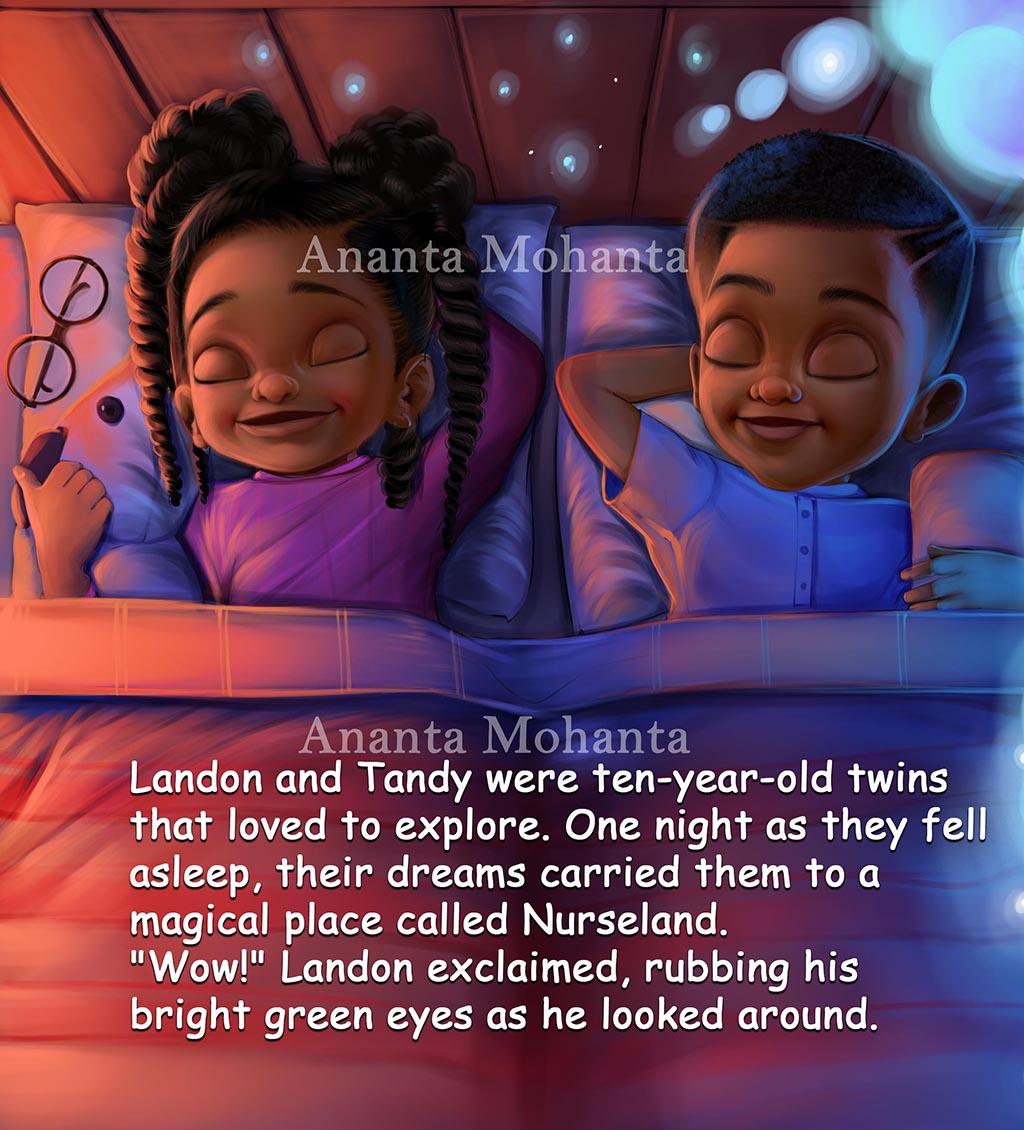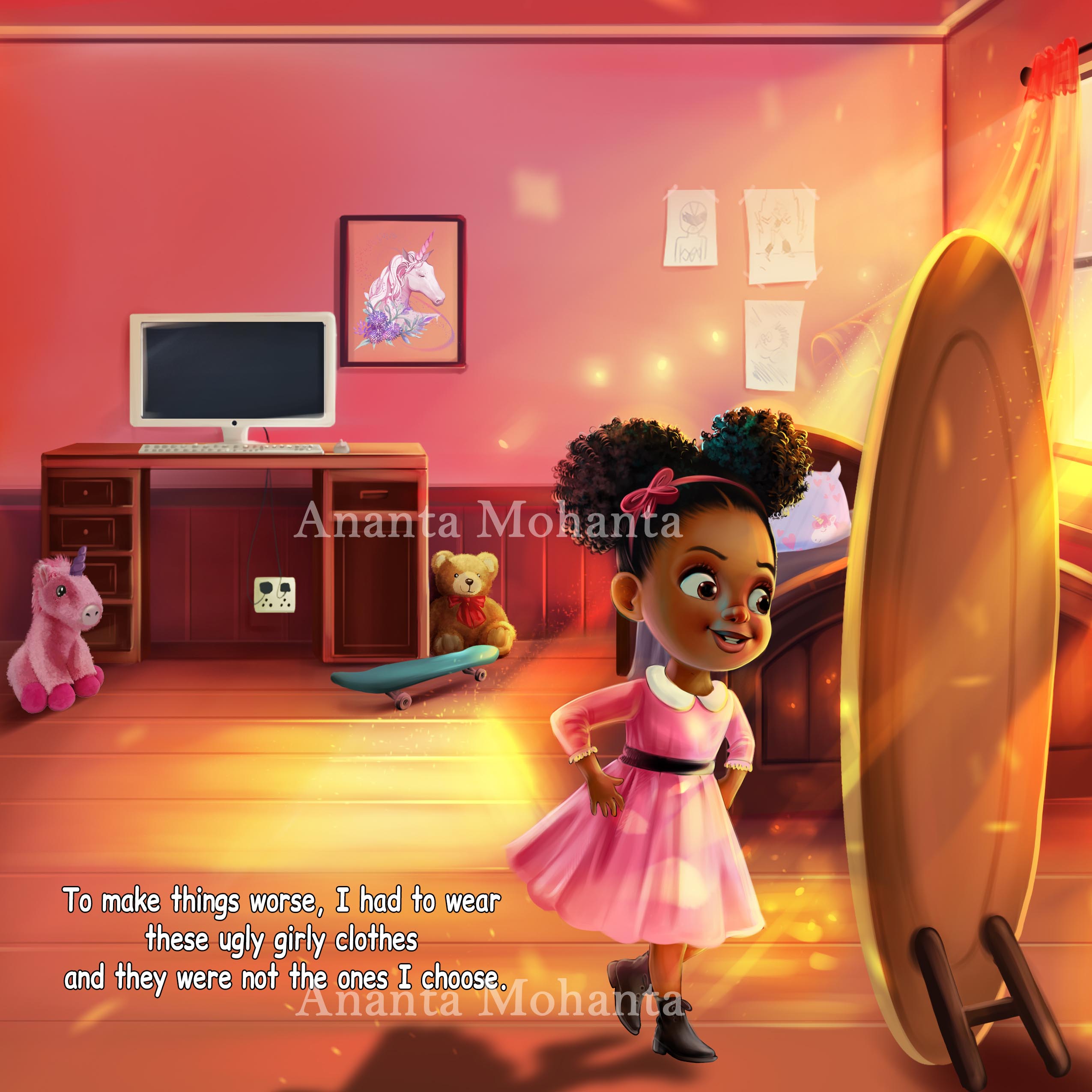
How I Personally Work as a Freelance Children’s Book Illustrator
Ananta Mohanta – Children’s Book Illustrator
I don’t have a fixed routine that I follow every single time.
And honestly, I don’t think creative work should feel like a machine process.
I’m Ananta Mohanta. I work as a Children’s book illustrator and have been doing this for more than 15 years. I work alone as a freelancer and collaborate with authors from around the world. Some authors are confident. Some are unsure. Some are doing this for the very first time.
Most of them ask the same thing in the beginning, even if they don’t say it clearly.
They want to know if they can trust the person who will draw their story.
I Read First. I Don’t Rush
When I receive a manuscript, I don’t start sketching immediately.
I read the story. Sometimes once. Sometimes twice. Sometimes I close it and read it again the next day. I try to understand what kind of feeling the story has. Not every story needs loud illustrations. Some stories need silence in the drawings.
As a Children’s Book Illustrator, I feel this part is very important. If I miss the feeling at the beginning, everything that comes later feels wrong.
I don’t talk much in the first stage. I listen more.
Characters Matter More Than Style
Many people think the illustration style is the most important thing.
For me, it’s not.
Characters are more important.
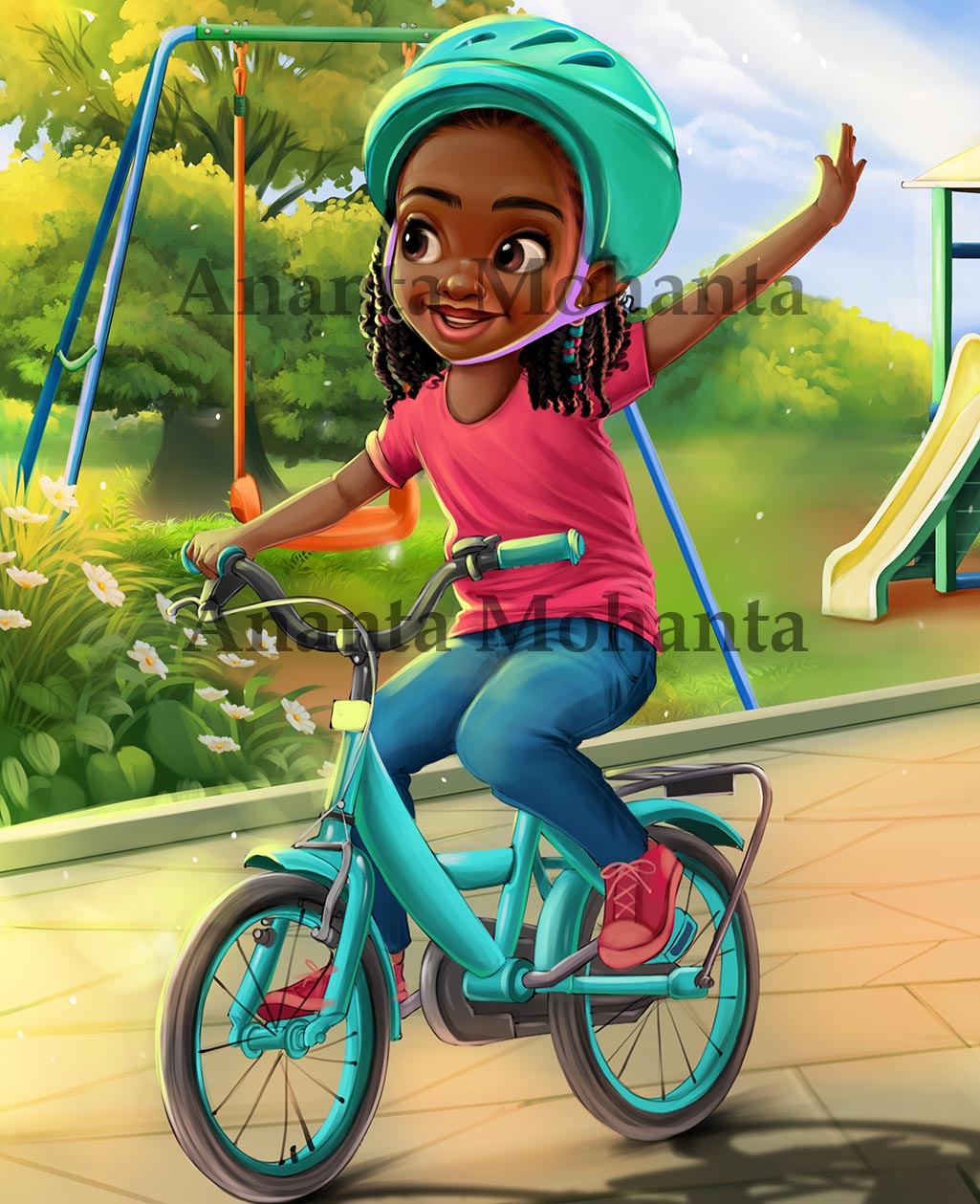
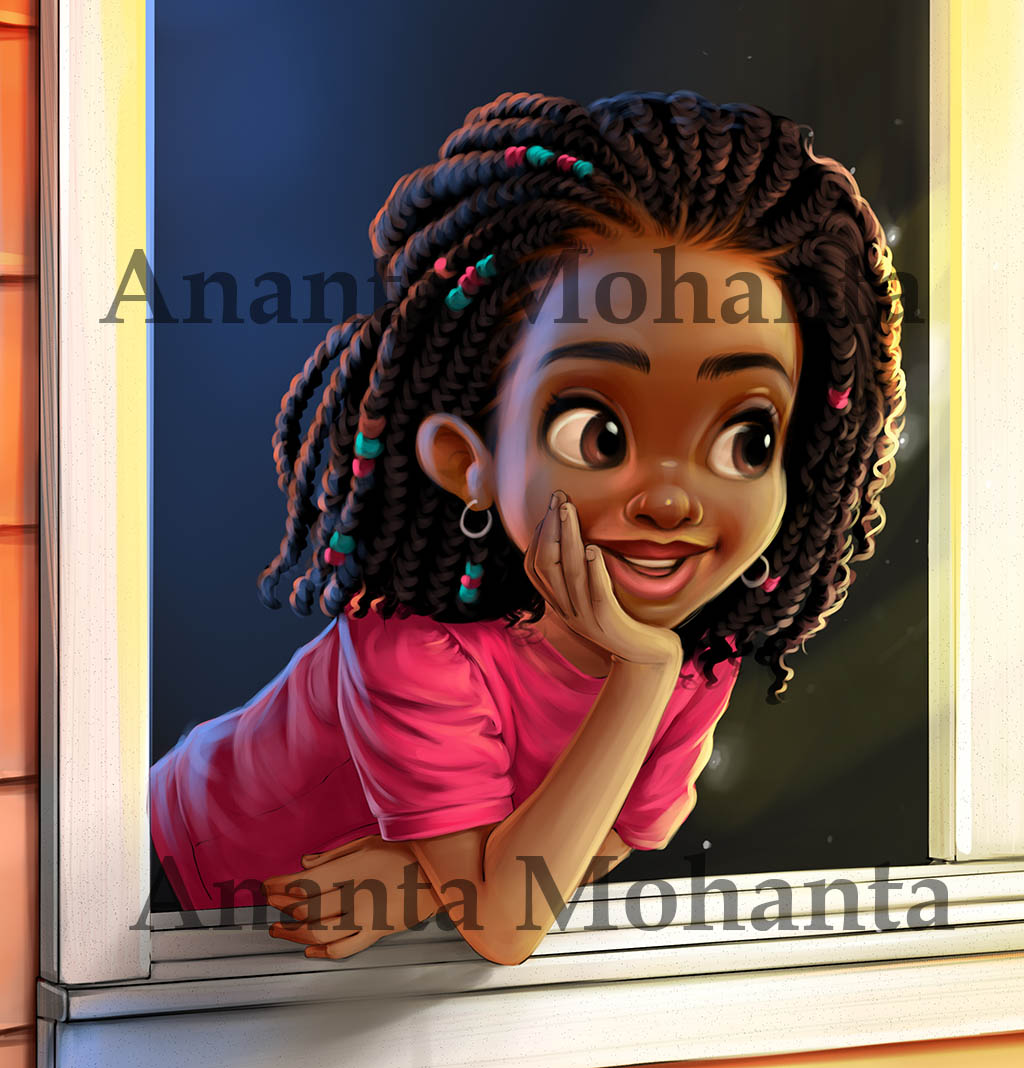
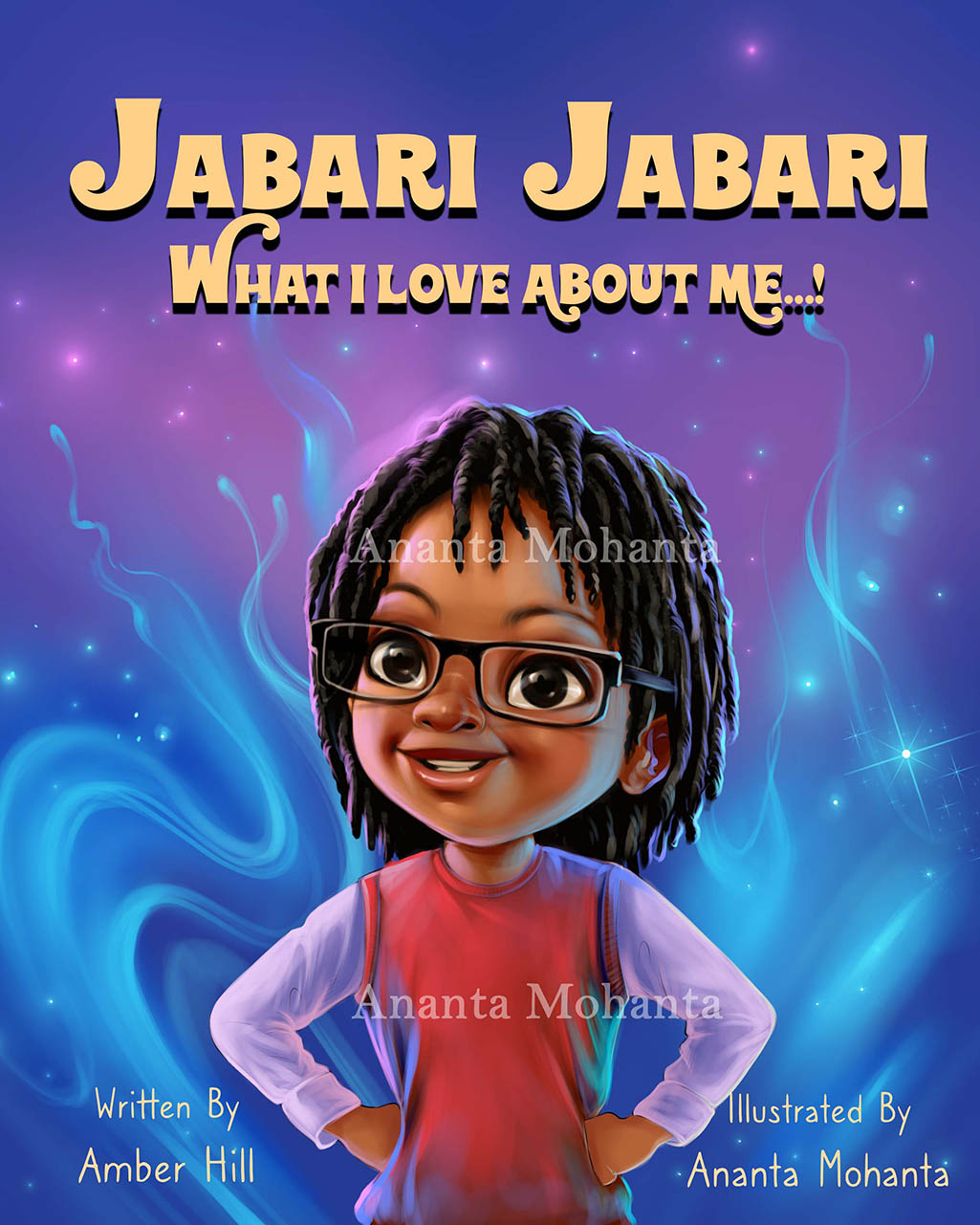
If the child doesn’t like the character, the book doesn’t stay with them. I’ve seen these many times. That’s why I spend a lot of time sketching characters. These sketches are rough. They are not clean. They are not final.
I change eyes. I change posture. I changed small things again.
I share these sketches with the author. We talk. Sometimes we agree quickly. Sometimes we don’t. That’s normal. This is how trust slowly builds when people hire children’s book illustrators.
I Don’t Force One Look on Every Book
I don’t use one fixed style for all projects.
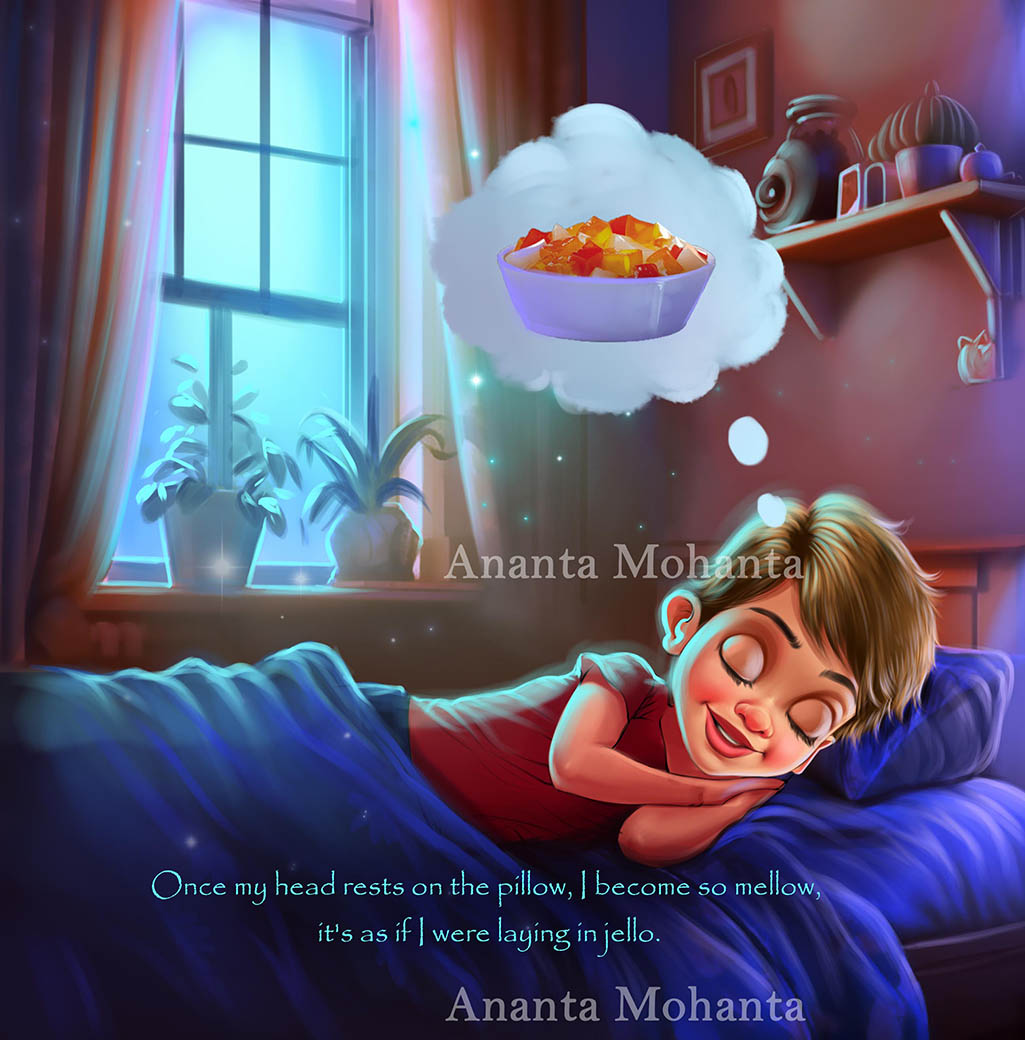
Some books feel soft. Some feel playful. Some feel serious even though they are for children. A fantasy story needs space and depth. A bedtime story needs calm.
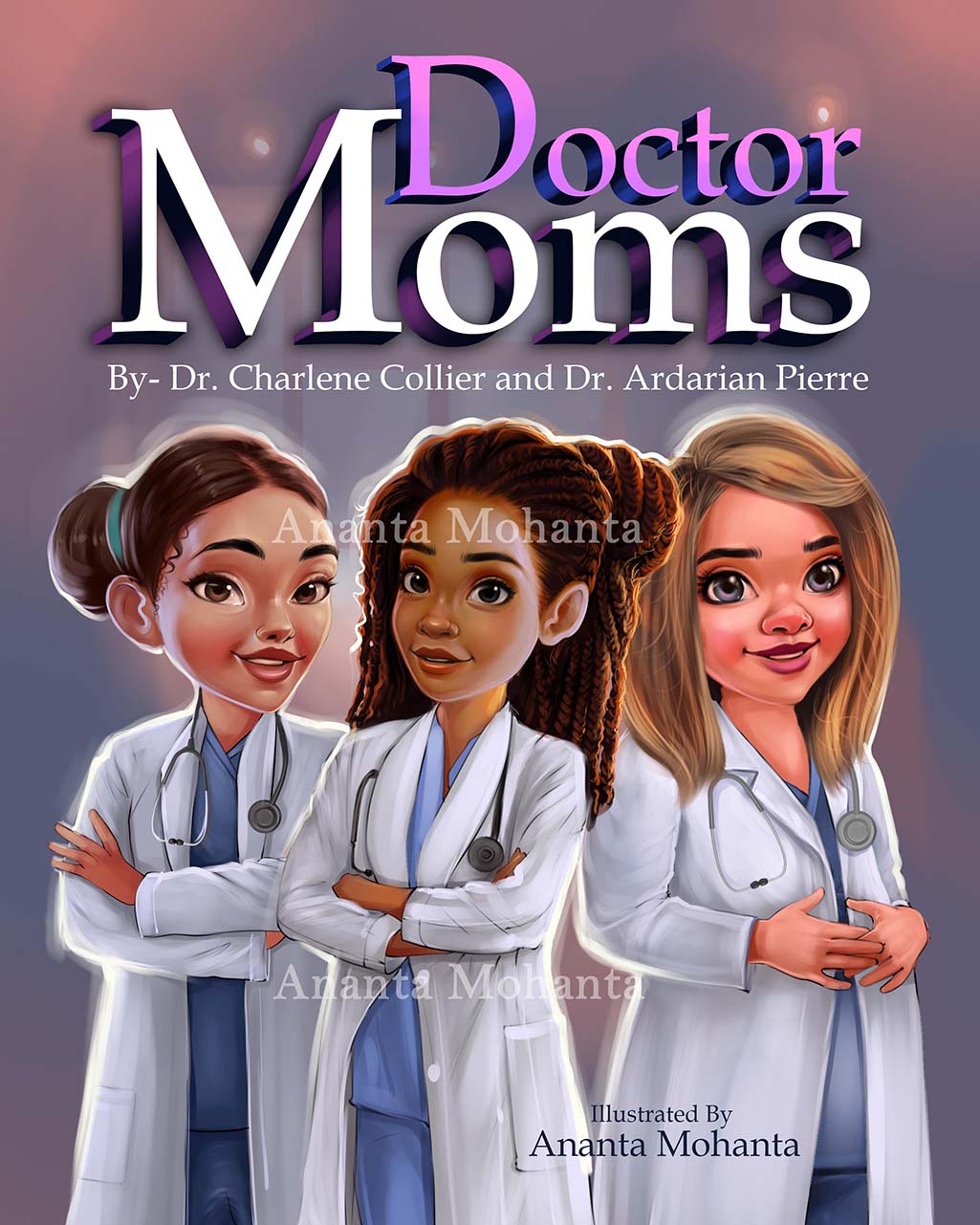
As a professional children’s book illustrator, I let the story decide how the illustrations should look. I don’t copy and paste styles from previous books. Once the style is clear, I stay consistent till the end.
Consistency is quiet, but very important.
I Plan the Book Before Finishing Art
Before final illustrations, I plan the book page by page.
I think about where the text will go. I think about page turns. I think about balance. This step helps avoid confusion later. Many first-time authors feel relaxed after this stage because they can finally see the book forming.
Working with a freelance children’s book illustrator should not feel stressful. It should feel clear.
Final Illustrations Are Slow Work
When I start the final artwork, I slow down.
I pay attention to expressions and small details. Children notice things adults don’t. They look again. And again. As a Children’s Book Illustrator for hire, I take that seriously.
I don’t rush just to finish faster. Once a book is printed, nothing can be changed.
About Changes and Communication
Changes happen. Always.
Sometimes authors realize something feels off only after seeing the illustration. That’s normal. I don’t get upset about revisions. I prefer talking and fixing things properly.
Illustration is not a one-sided work. It’s a conversation.
Clear communication matters more than talent in the long run.
Cost, Quality, and Trust
Many new authors worry about cost. I understand that.
I keep things clear from the start. No hidden charges. No confusing steps. Quality work takes time, but it should also be honest.
Choosing the right Children’s Book Illustrator is not only about price. It’s about reliability. About how the illustrator treats your story.
Trust is built slowly, by doing what you say you will do.
Why I Work Like This
I didn’t learn this process from a course. I learned it from real projects. From mistakes. From fixing things. From working with different people.
Being a Children’s Book Illustrator is not just about drawing nicely. It’s understanding stories and respecting the effort behind them.
If you are planning to hire children’s book illustrators, my advice is simple.
Understand how they work before choosing them.
For me, illustration is quiet work. Careful work. And work that stays with children for a long time.
-Ananta Mohanta
Children’s Book Illustrator & Freelancer
To know more: www.anantaart.com
Pinterest: https://in.pinterest.com/illustratorananta/
Behance: https://www.behance.net/ananta-mohanta
Follow me on Instagram: www.instagram.com/ananta_mohanta_